I’d rather have the mosquito netting on the inside so it doesn’t get wet or dirty. Since I plan to use magnets, that should be easy. How to keep it out of the way? I could make it so you could even take the netting off completely and leave it at home if you want to be super light.
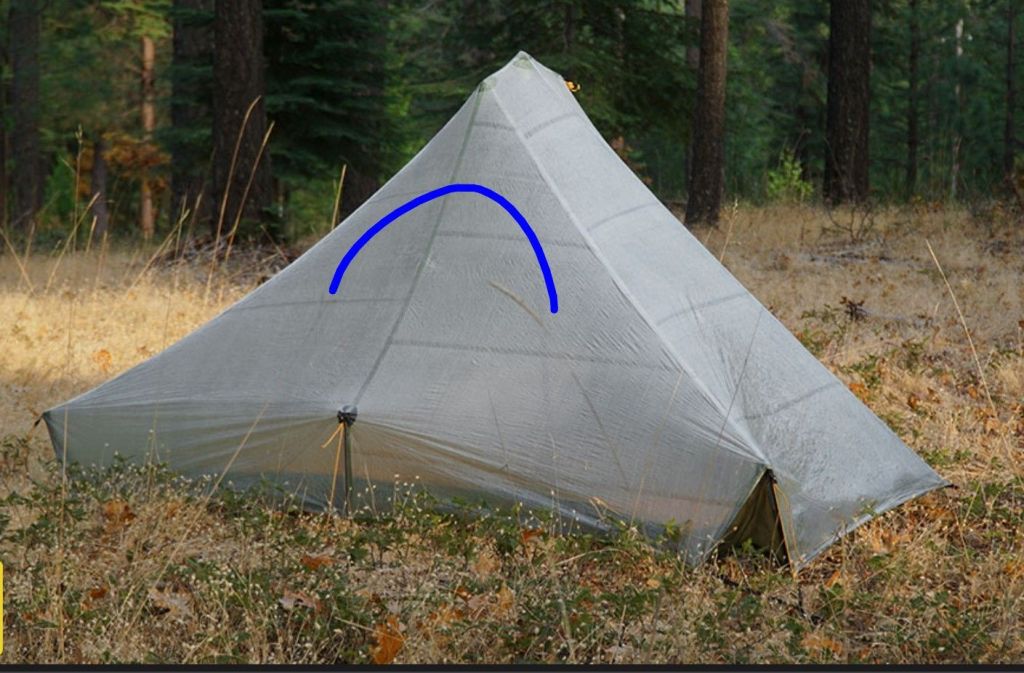
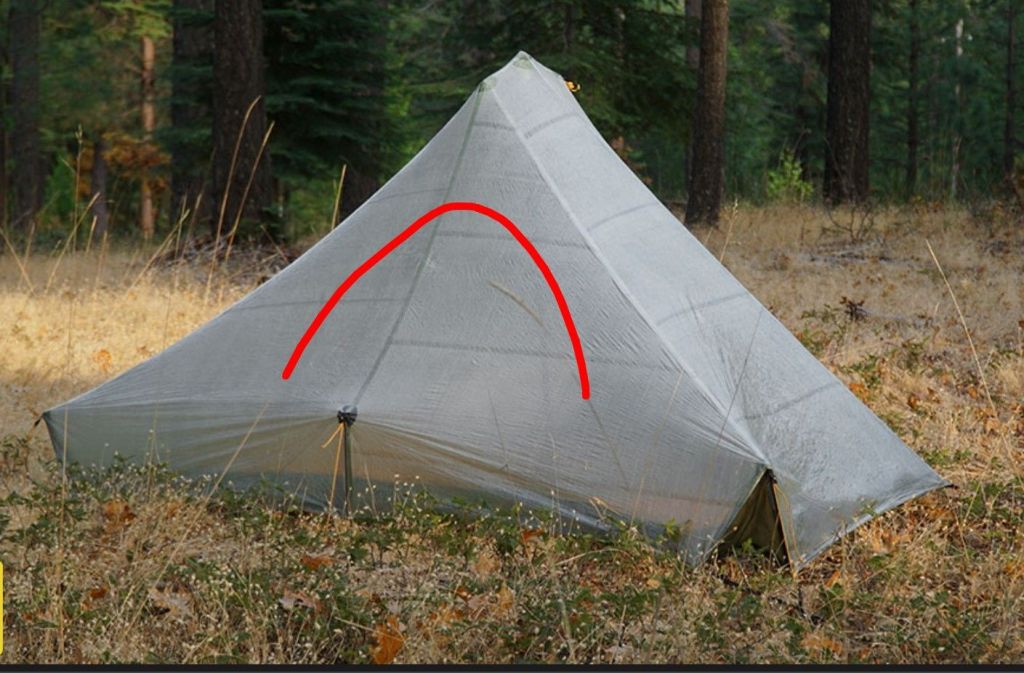
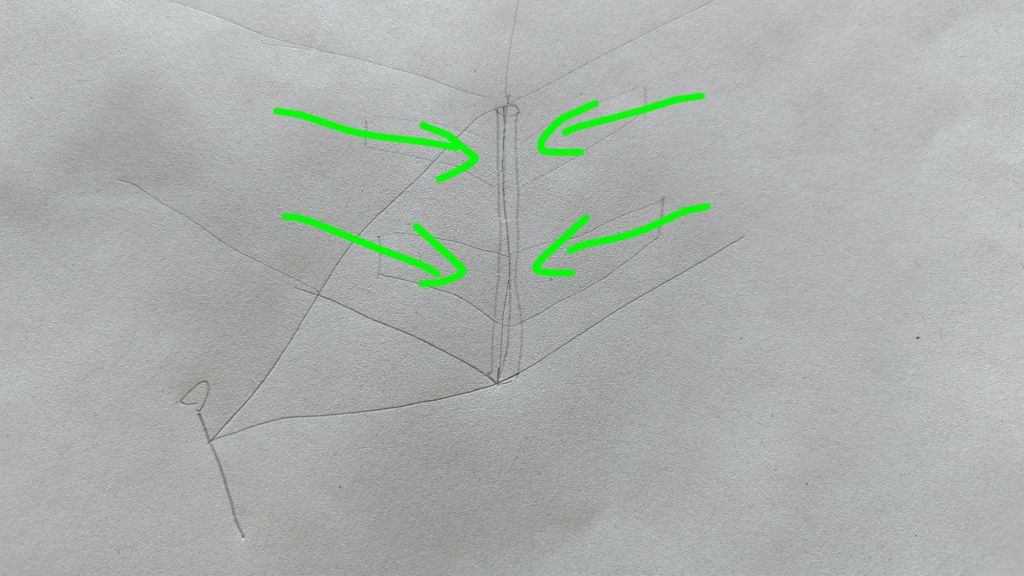
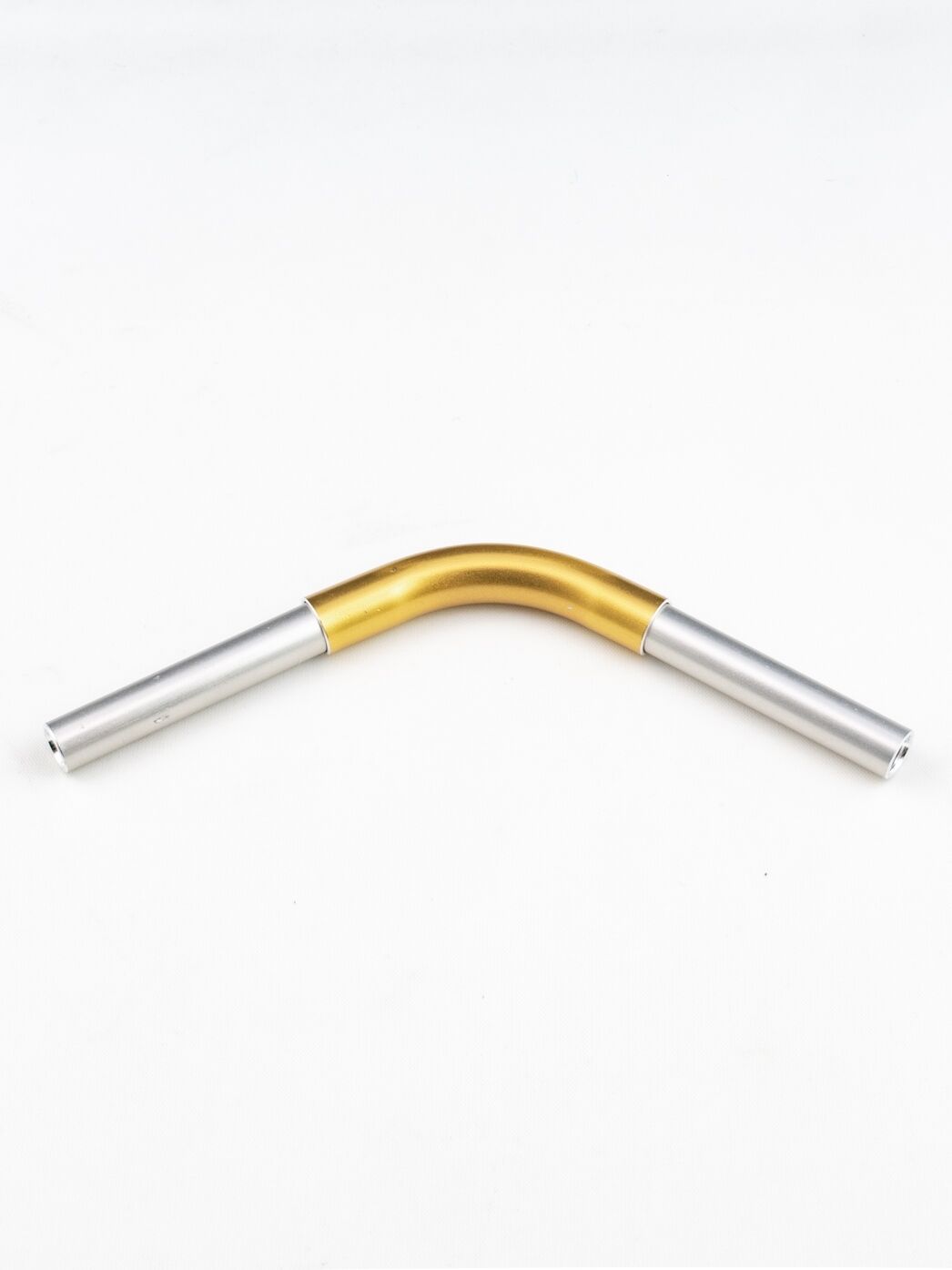
Instead of having a hood over the door and window, what about extending the top bar and the roof over the slanted wall? The straightened connecting piece could be used in the middle with two 26cm pieces on either side (so the 14cm cut off pieces could be used to prop up the sides of the bathtub). Then it would really look like a cathedral!
What if there were loops on either side of the top strut that could be used to tied to trees? Then the middle post wouldn’t be needed.
Actually just one side would need to be tied to a tree and the other could use the center pole but outside the tent. Or you could use two hiking poles outside the tent.
It’s just a shelter; it’s not meant to withstand hurricane force winds on a big flat rock.
While rereading the post of my initial ideas of the “cathedral” tent, I had a couple of thoughts and questions:
Does the top strut need to be symmetric?Or would it be possible to move the middle tent pole forward, leaving more space to sleep?
Would it be a matter of moving the bottom, or could also the top be moved?
Could two longer poles hold up the ends of the top strut? This would leave lots of space in the middle but obstruct the window and the door.
Could the connecting piece be bent straight and a 40cm piece be cut in half? Then the middle part would be wider and the pole pieces shorter. Or should it be wider at the top?
How do the mosquito netting zipper and the waterproof zipper interact? Could the mosquito netting just be held in place by magnets? That would make it easier to get in and out too.
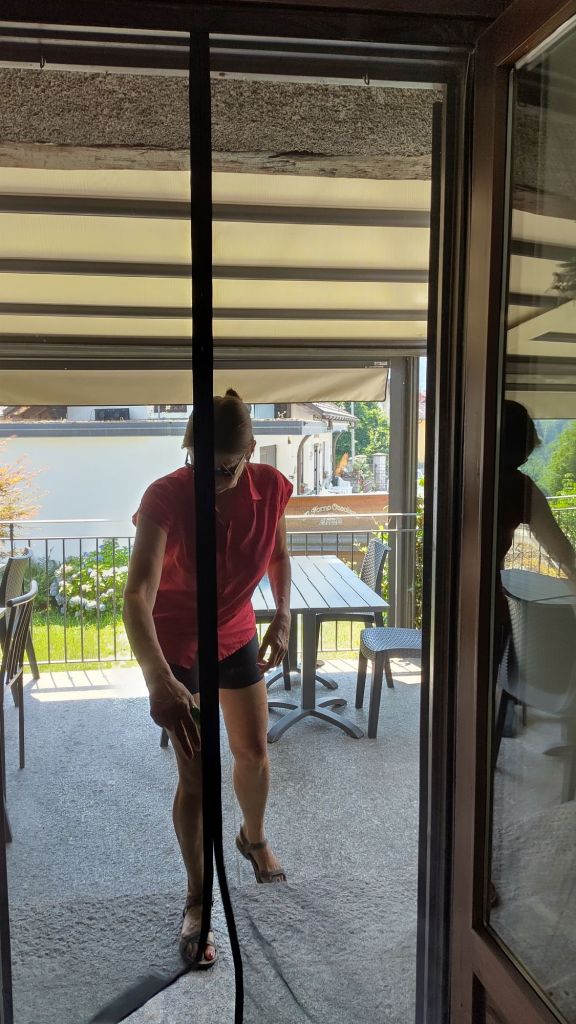
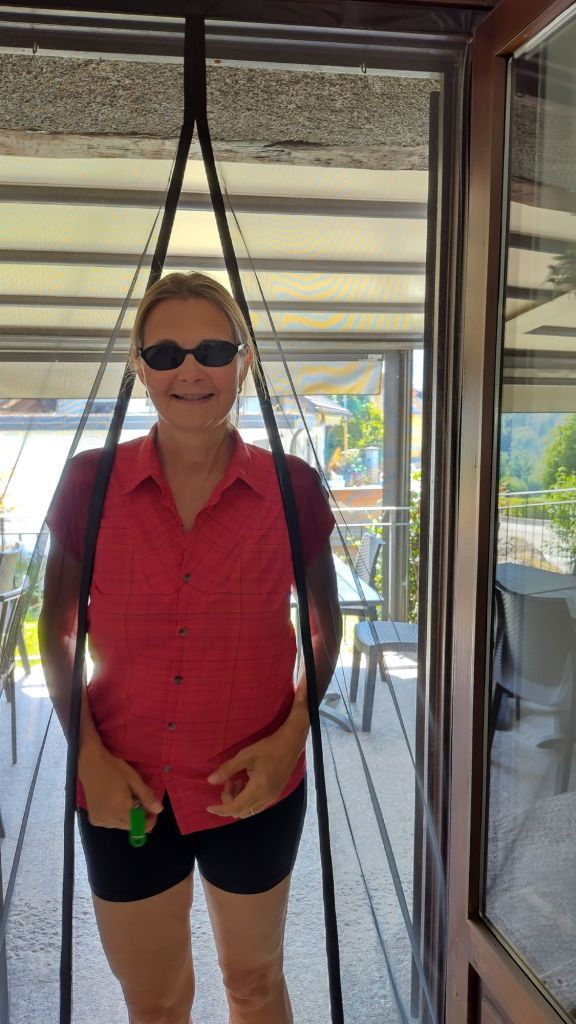
New mosquito netting door for the terrace. It works great!
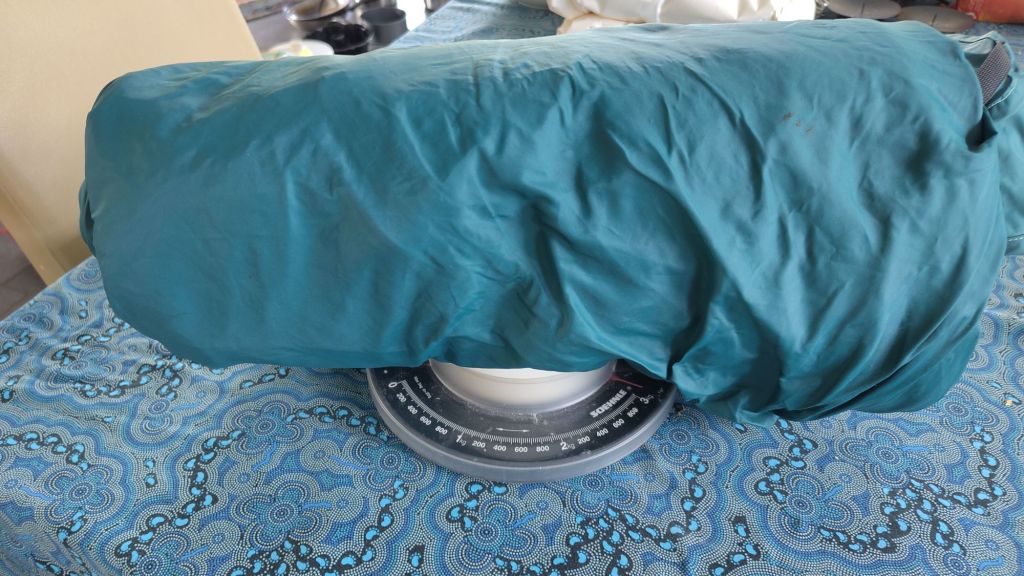
The goods arrived! How much does it weigh?
5m by 138mm of groundsheet weighs 250g
7m by 138mm of fly weighs 180g
8 pole sections weigh 160g
Total 590g, but I’m only using half of the groundsheet and I’ll cut the poles shorter.
How would the air flow through the tent to minimize the condensation?
How would it be possible to keep the windows open without rain coming inside?
How can the tent be tensioned properly while allowing for different pole setups: bespoke single vertical pole, hiking pole of fixed 120cm length, arch?
Let’s look at some diagrams to illustrate these aspects.
Here’s the back view of the Aeon Li. I would make it symmetrical and put a window on one side and a bigger window/door on the other side.
A window on one side with non-openable mosquito netting and a hood.
A door on the other side with openable mosquito netting and a hood. This allows for lots of airflow from one side to the other, plus nice views. There’s not a lot of airflow near the ground, and the condensation accumulates starting from the top. So sleeping “in the bathtub” with air flowing across the top of the tent through the “hooded cloister windows” seems like a good approach.
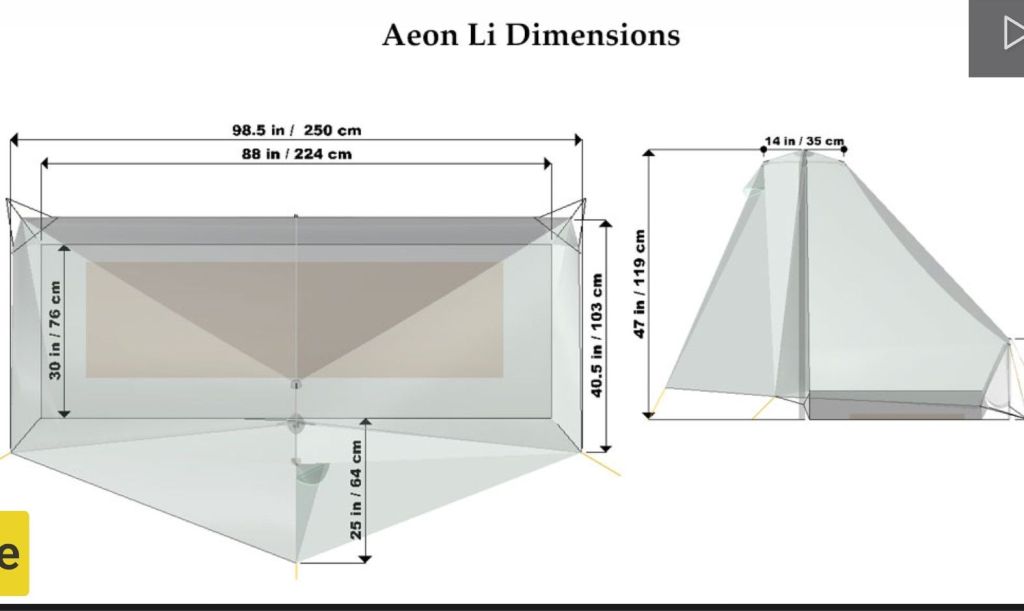
Here’s a diagram of the Aeon Li:
It is not symmetrical. I would double the right side of the rightmost diagram. This would give it a much bigger footprint though. Have to think about the dimensions.
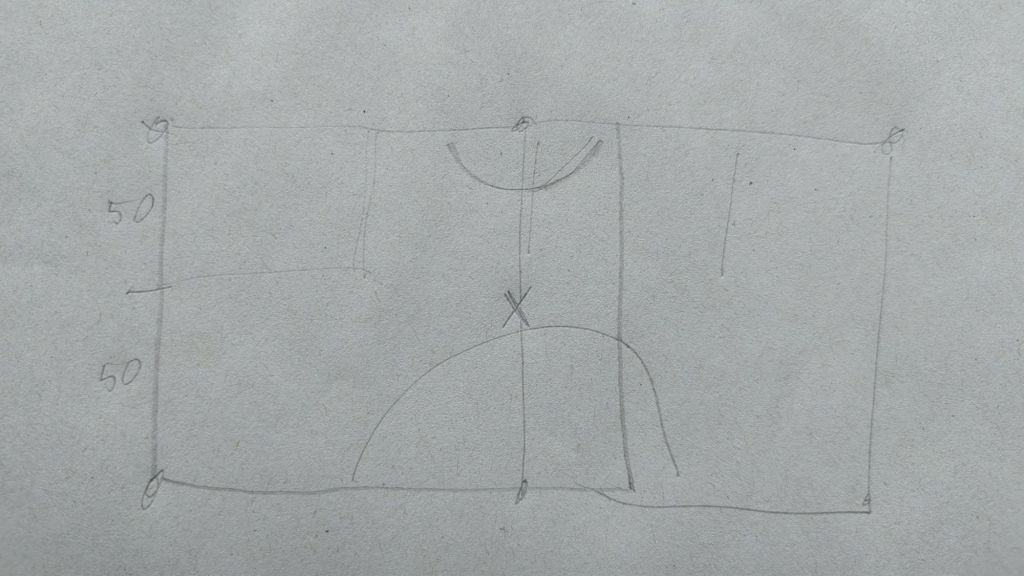
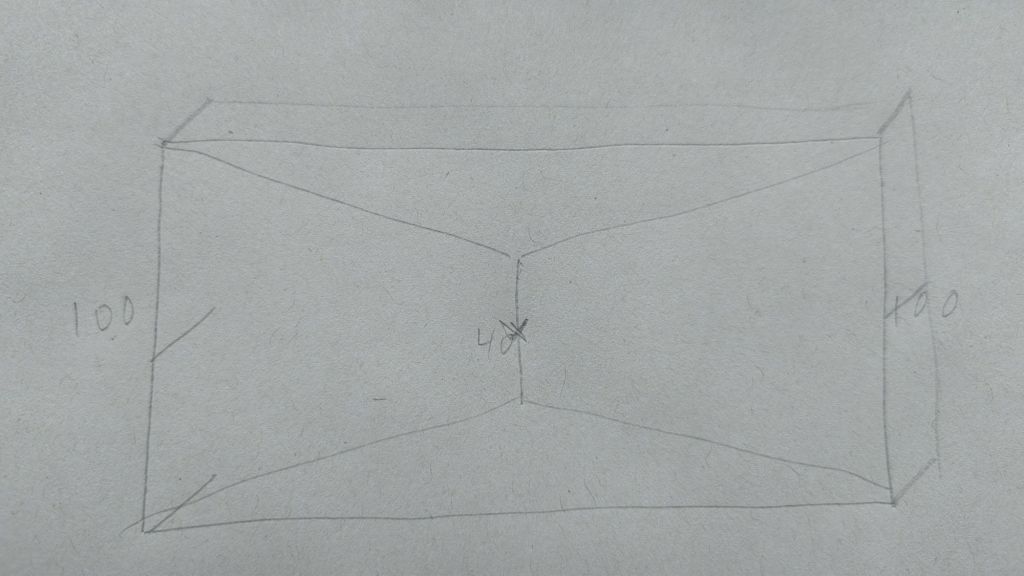
How big would the “bathtub” be? Let’s start out with 100cm wide, 200cm long and 20cm high. A typical Exped sleeping pad is 53 by 183cm.
The bathtub floor material would have to be 140cm wide and 240cm long. How much did I buy? I bought a piece that’s 138cm wide and 5m long … Enough for two tent floors! (In the refinement and recalculation phase we could make the floor 110 cm wide and the bathtub 14cm high.)
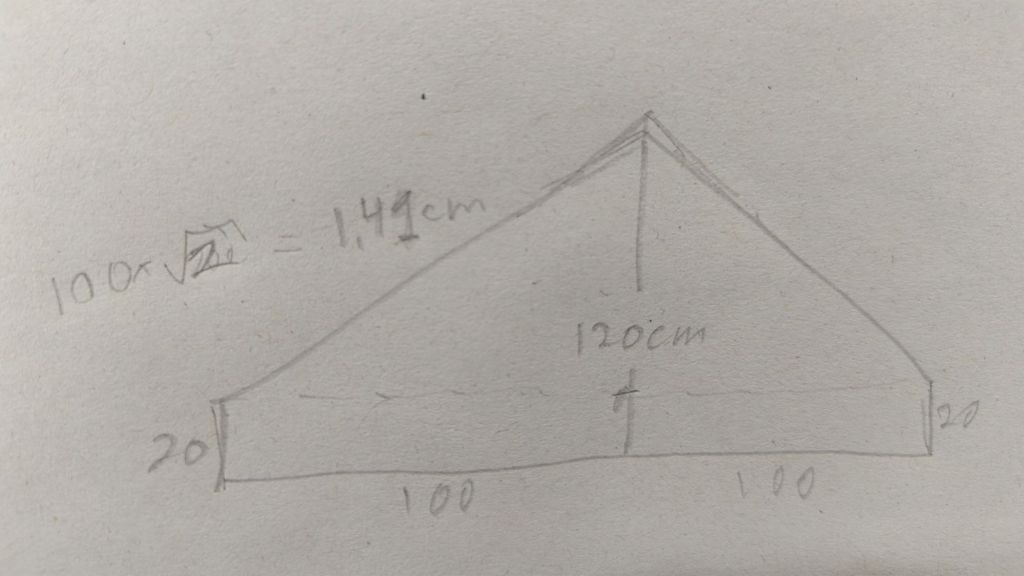
Instead of a pointy roof, use a straight ridge, so one long piece 100cm wide would narrow down to 40cm and widen again to 100cm. The “draped tarp” part of the tent. The ends would meet the bathtub bottom at a height of 20cm.
Cross-section of the side view, perpendicular to the ground. I would need 141*2=282cm of the fly material for the 100-40-100cm wide piece. I bought 7 meters! Still need material for the side pieces and the hoods.
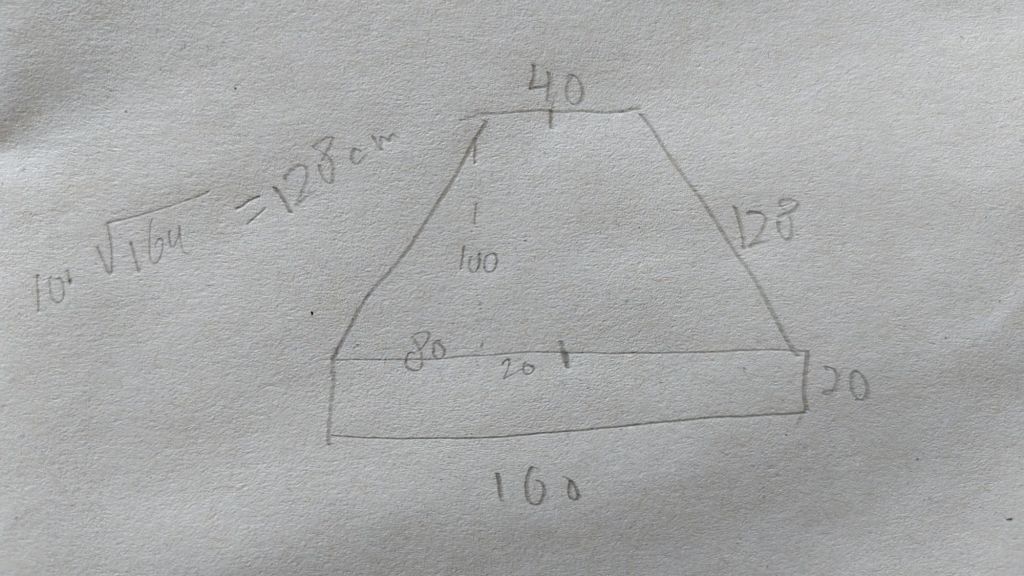
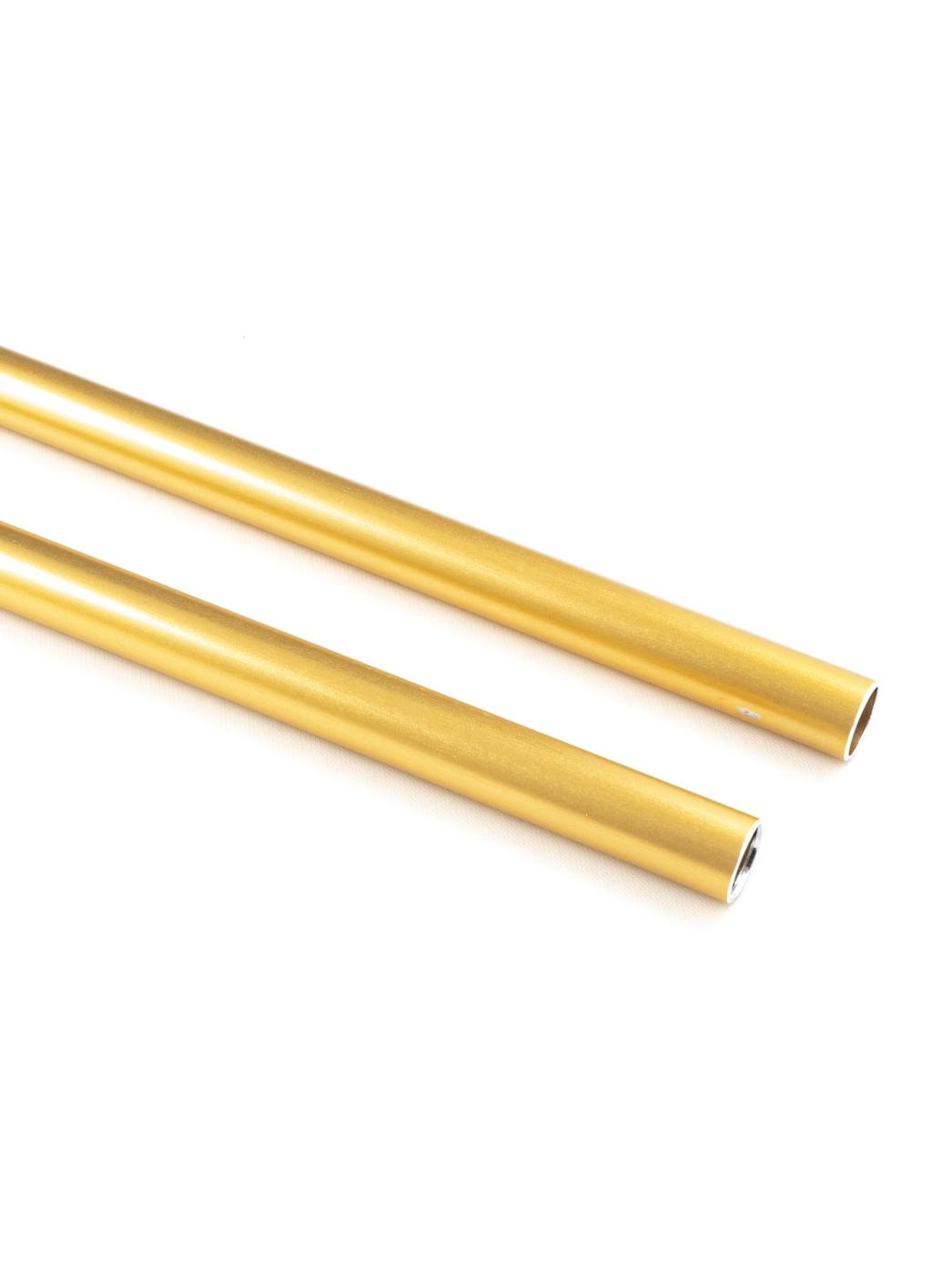
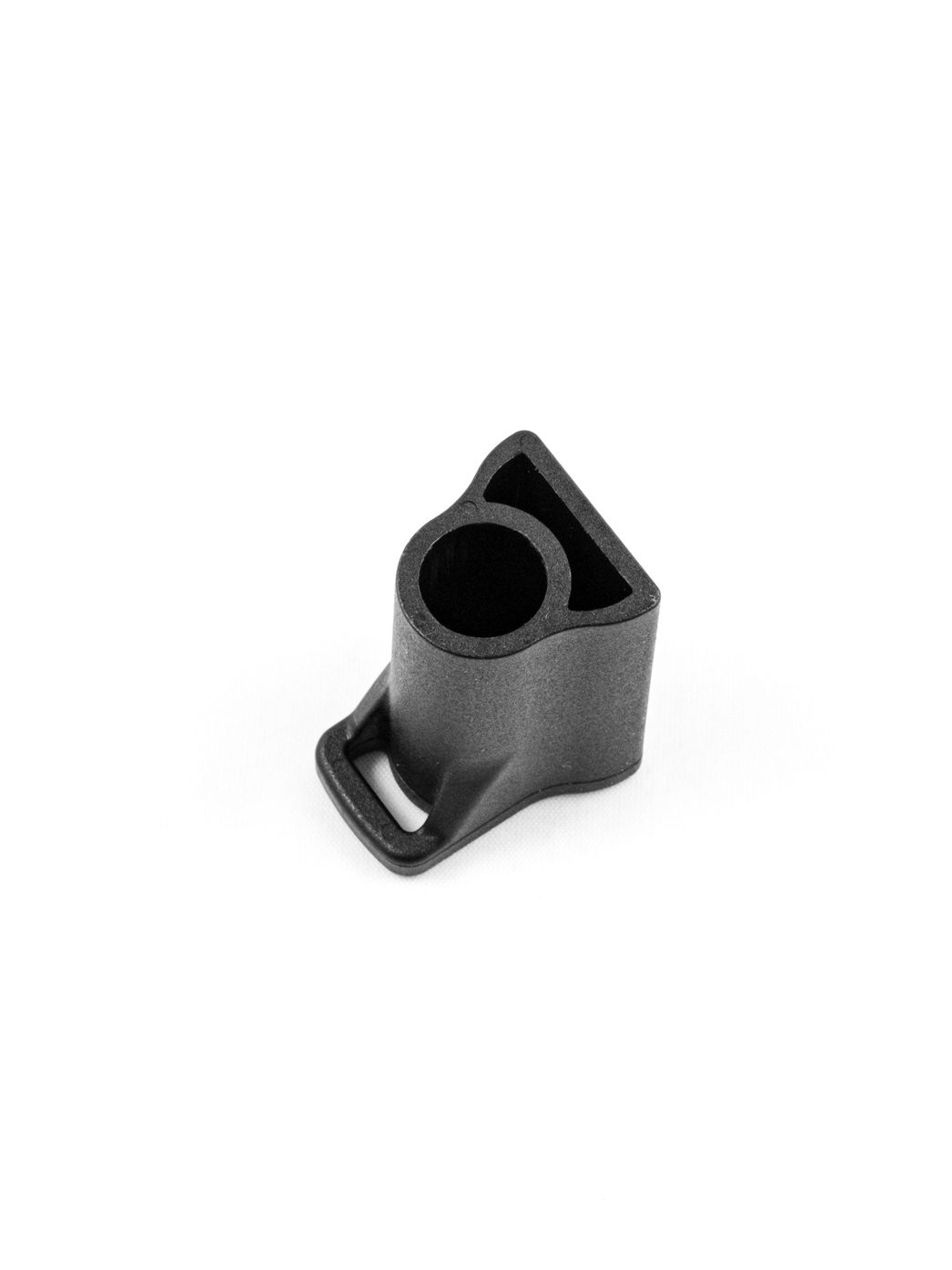
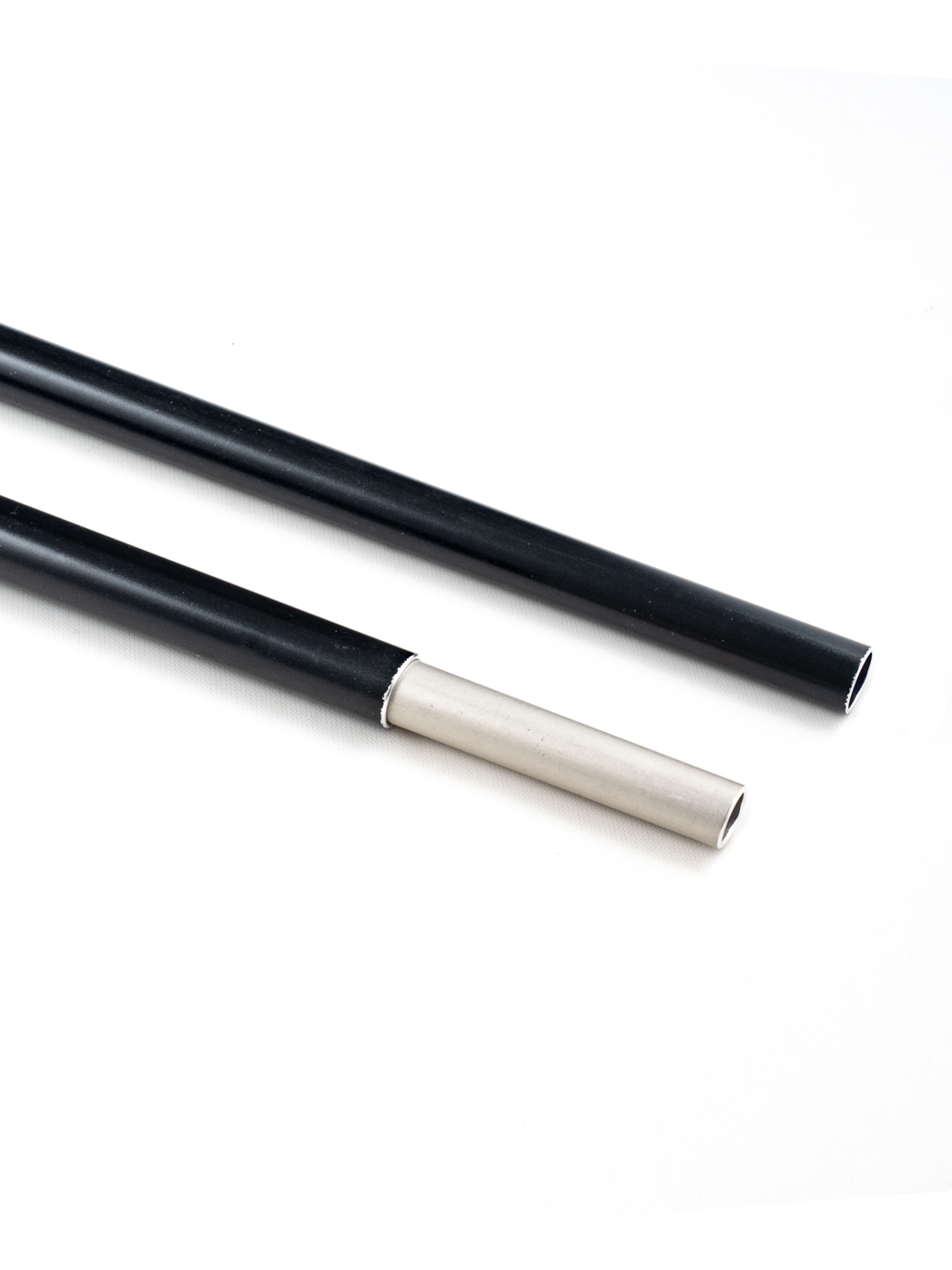
I’ll use one of the gold 40.6cm tent-pole segments for the top strut, and cut the other three in half for the six bathtub holders, three on each of the 100cm sides so the head and feet have space, or three on each 200cm long side. I guess I won’t use that really cute tent connector piece, and the length of the wrapped-up tent will be at least 40.6cm. Shorter poles would be nice but tent stability and simplicity of assembly are more important.
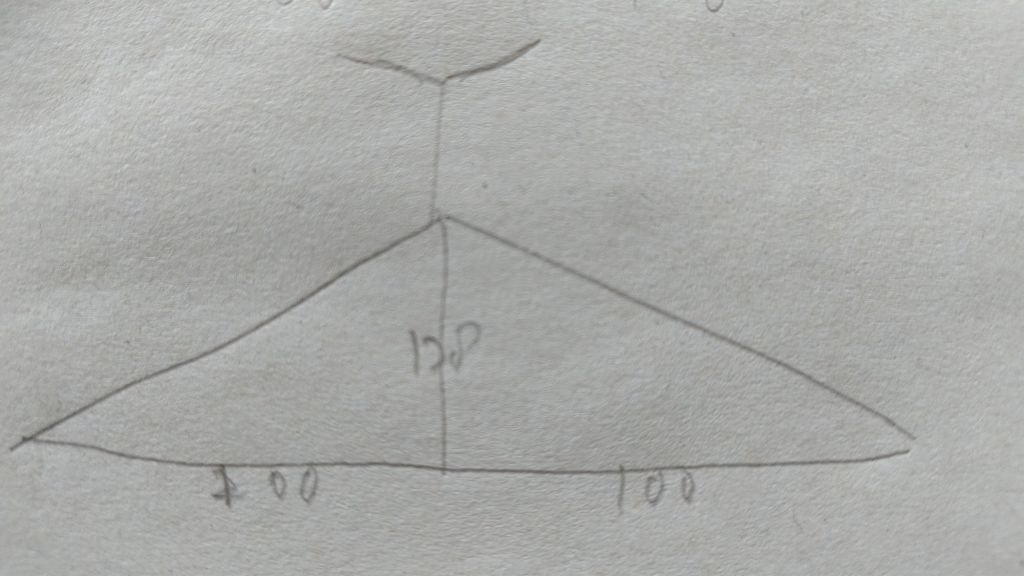
Cross-section of the end view, perpendicular to the ground. The distance from the end of the strut to the top of the bathtub is 128 cm.
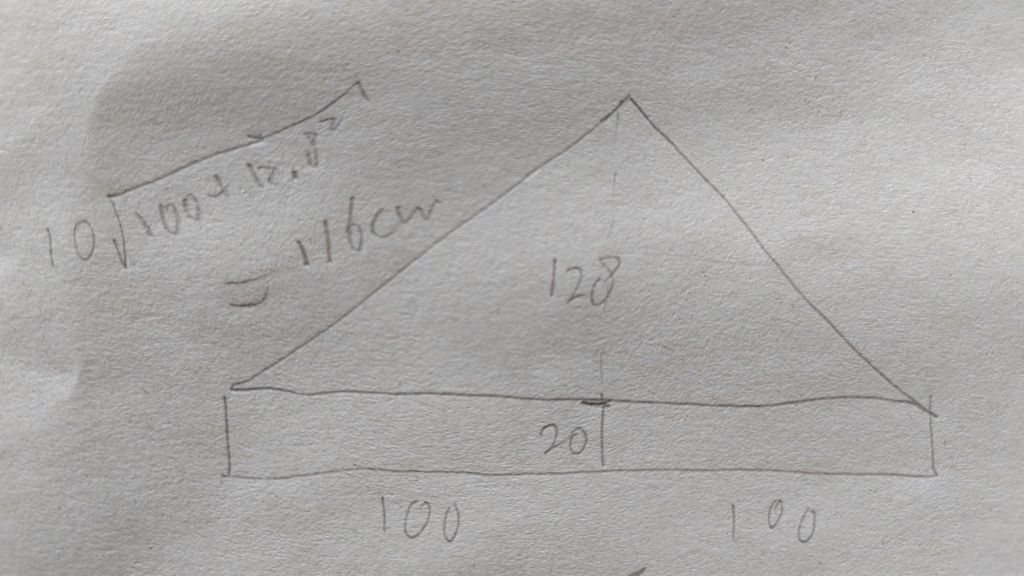
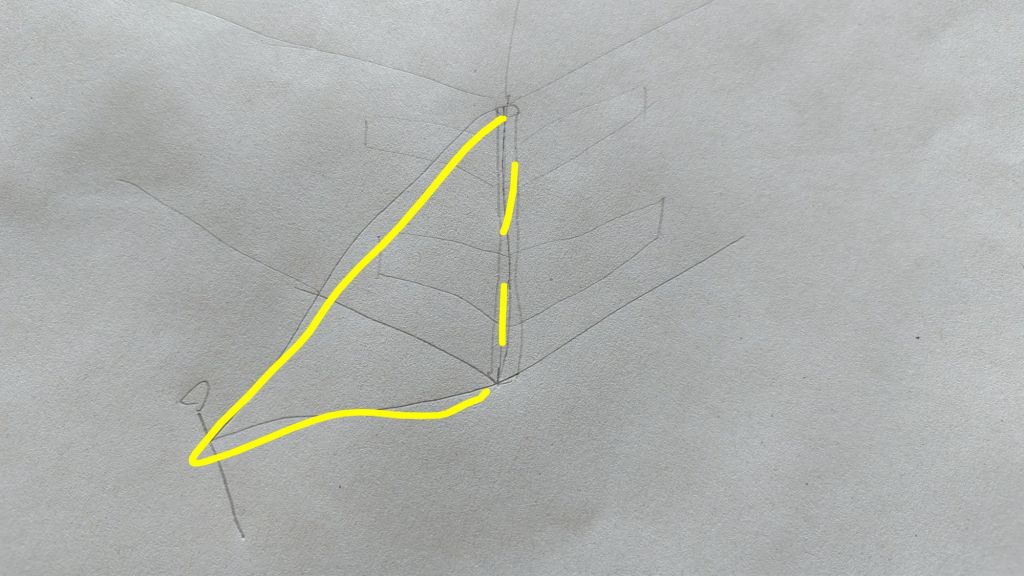
The triangular side panel would be the height from the end of the strut to the top of the bathtub, which is 128 cm, as calculated above.
The side panels in which the window and the door will be inserted would be triangles with a 200cm base and 128cm height. The tape attaching the triangular side panels to the the “draped tarp” part of the tent would have to be 4*116= 464cm. Better check that I have it. I may tape both sides. This could get expensive.
The material is 138cm wide, wide enough, so I’d need 3 more meters of it. That brings me up to 282+300= 582cm (of the 700cm that’s in the mail – 118 left).
What if the door zippers would come all the way to the ground …? No supporting strut on the long 200cm side … Would that work? Or would the tent collapse?
If the struts in the corners would be pulled forward then there would be no tension along the 200cm side where the door is. So that could work. The door would flop on the floor and get dirty, but an unconscious person could be dragged inside out of the rain while waiting to be rescued.
You could also then sit with your butt inside the tent, under the hood, take your wet boots off, and place them carefully to the side, avoiding damage and dirtiness to the floor.
It would be really nice to have the zipper end at the top of the bathtub.
If the floor is directly attached to the sides, creating a huge bathtub, then how annoying is it to step inside with wet boots? Does that balance out the protection of the boots from gnawing animals? If the ground floor can be rolled back, then little animals can come in. I’d rather deal with a dirty floor and bring a welcome mat/towel. Keeping the tent floor clean is always an issue.
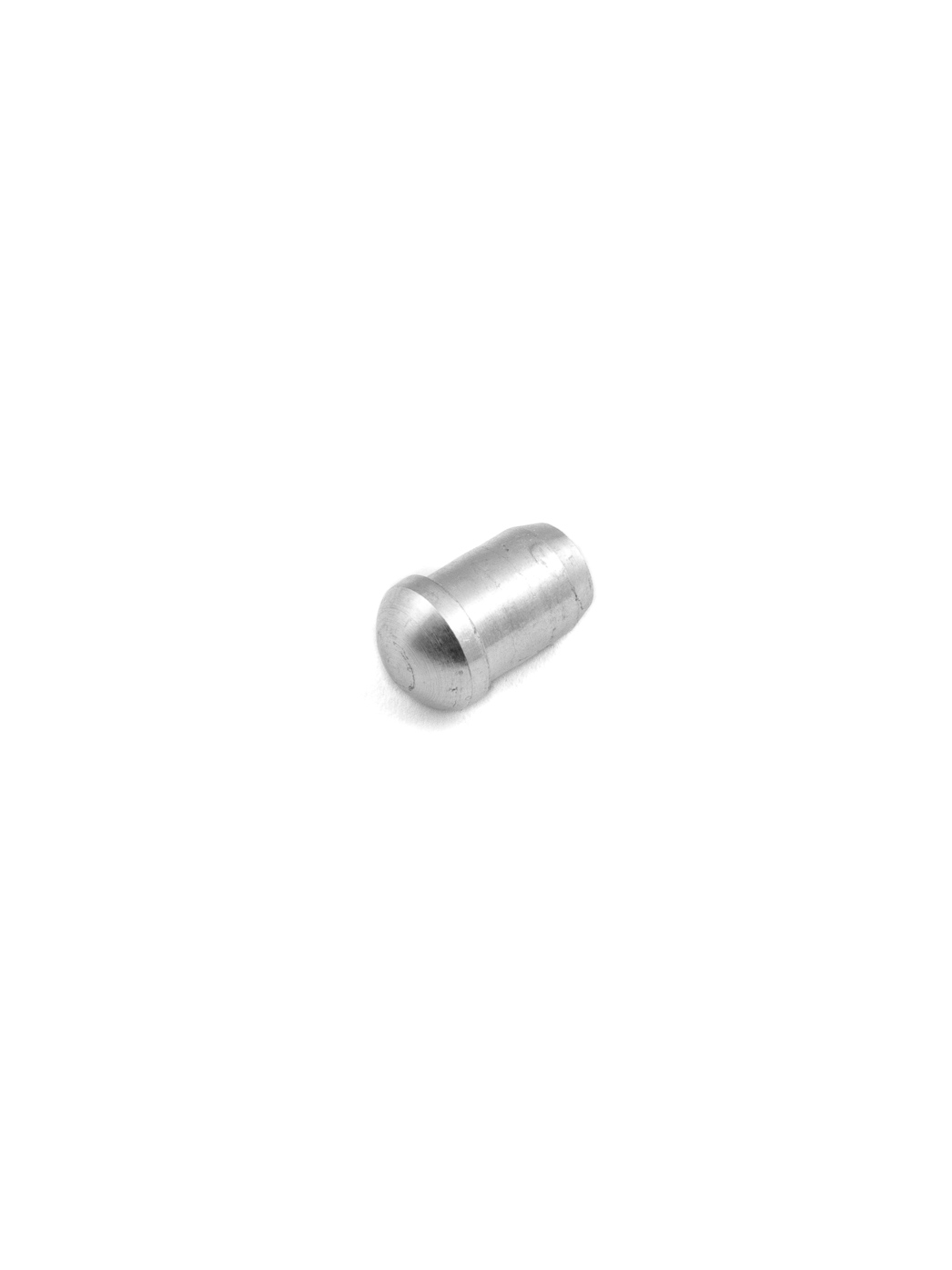
Put a (yellow) cord through the 20 cm pole segments and through the peg. Attach the pole segment to the tent with dyneema tape. It’s not meant to withstand hurricane-force winds at altitude so it doesn’t have to be super streamlined. The volume-weight ratio is more important.
The waterproof integrity of the tent is maintained because no holes are made through the material. The hufold for creating the corner needs to be thought about. Can we avoid tension on that “seam”? Yes, because the horizontal dyneema tape segments don’t pull on the seam but on the sides of the bathtub. Could we just glue the corners closed?
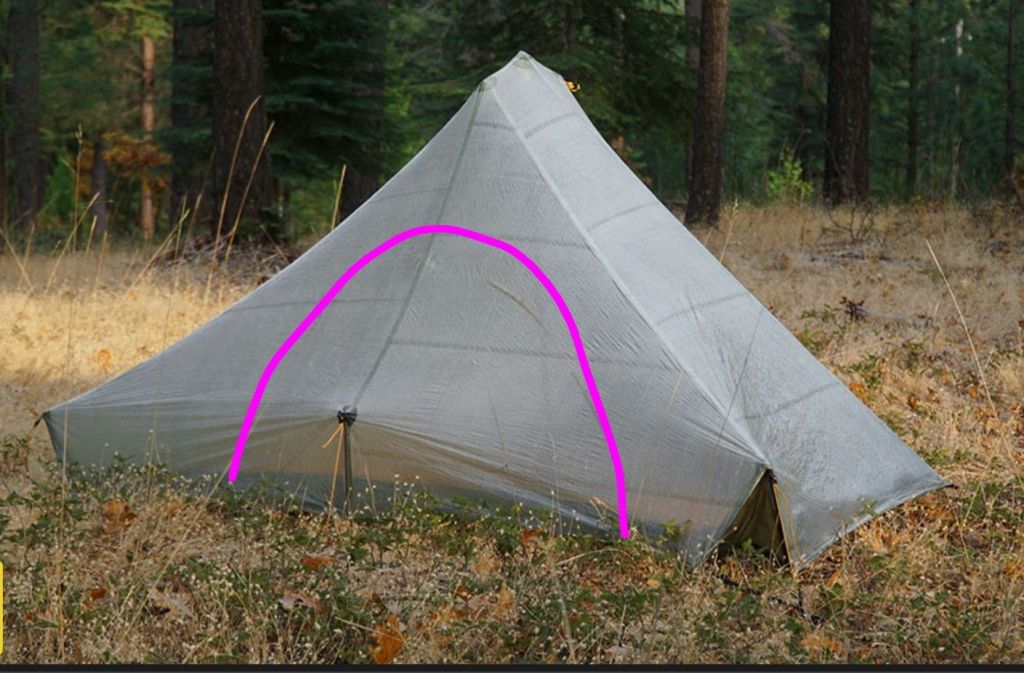
The “pole arch” variation I was thinking of would go right down the middle of the window, so that won’t work.
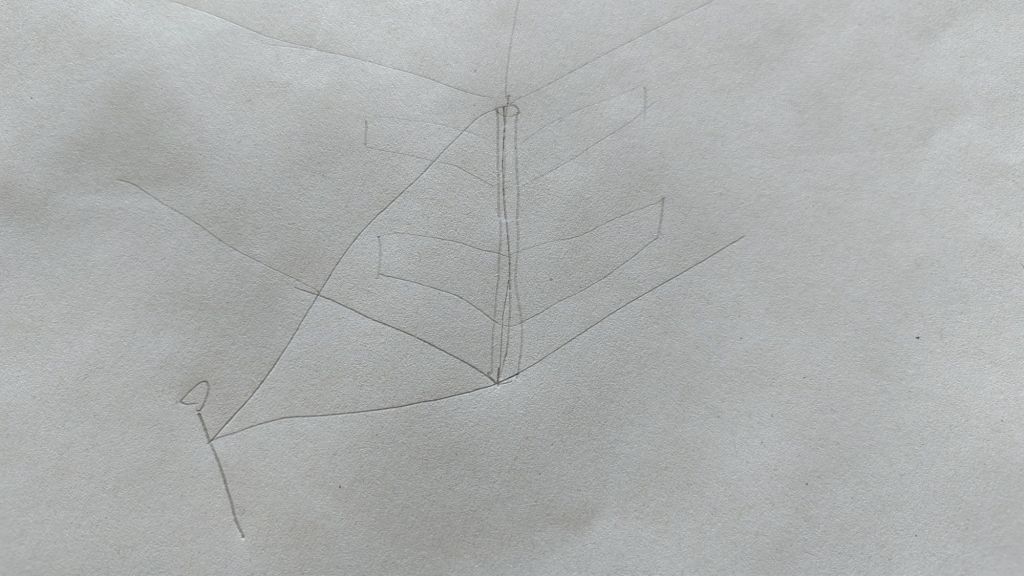
How to attach the strut to the fly?
Sew loops at either end of a 50cm long piece of grosgrain ribbon. Put a 10cm loop over the middle and sew sides together so the vertical pole/ end of the hiking pole fits into the opening. Attach the grosgrain ribbon to the roof with dyneema tape to hold it in place. No sewing needed that would puncture the dyneema material. The tension of the tent downwards, and the vertical pole upwards would keep the horizontal strut in place.
What if I made the strut 80cm wide, so two sections? Would that be strong enough to hold up the roof? There’s not a lot of pressure needed on it, except for keeping the material taut to stop it from flapping in the wind. I could make it 60cm wide by using two 30cm pieces…
How much is it looking like it will weigh?
600*138=8.28 m² of 18g/m² fly material = 149g
240*138= 3.312 m² of 33g/m² floor material = 109g
4 gold tent pole segments weighing 19g each = 76g
3/4 of 4 black tent pole segments weighing 23g each = 69 g
Total = 403g (= 149+109+76+69)
It all adds up. There will be some guy lines, zippers, mosquito netting and grosgrain ribbon to add still.
So… I put in an order at one of my favorite stores:
Many thanks for providing so many wonderful articles for creating camping stuff; letting my imagination go wild; feeding my peculiar deep-seated inclination to design and create my own shelter. (Was it because I traveled so much as small child?)
ExtremTextil had some second-choice dyneema material on sale, and since my current top tent candidate is not available at the moment, this got me dreaming again about finally, finally creating my own super lightweight tent. So, just before midnight, I clicked on the button, and put in the order, which I look forward to receiving soon!
Oh, bliss. 5 whole meters to play with for the bottom tent material! I’ll use half for the tent and half for my super lightweight picnic blanket/ emergency tarp, or for the non-bug-free area of the shelter.
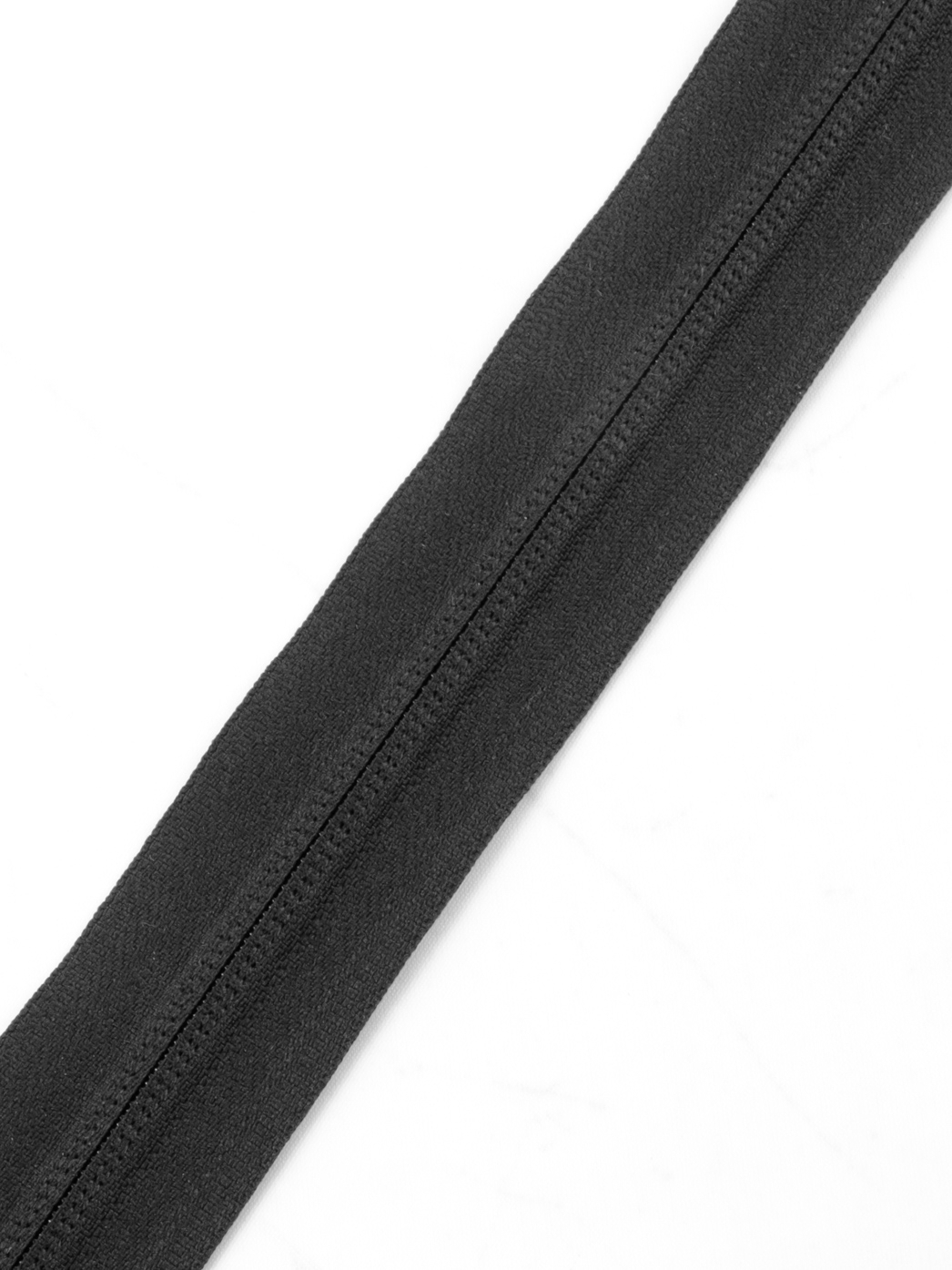
YKK DynaPel® 5C Zippertape by the meter color: black 3,0m €11.17 total: €33.51 70550.SW
For the waterproof window on one side, and the door/window on the other side of the tent. I’m currently planning a particular entrance that doesn’t require a separating zipper or needing to reach down to ground level. Stay tuned!
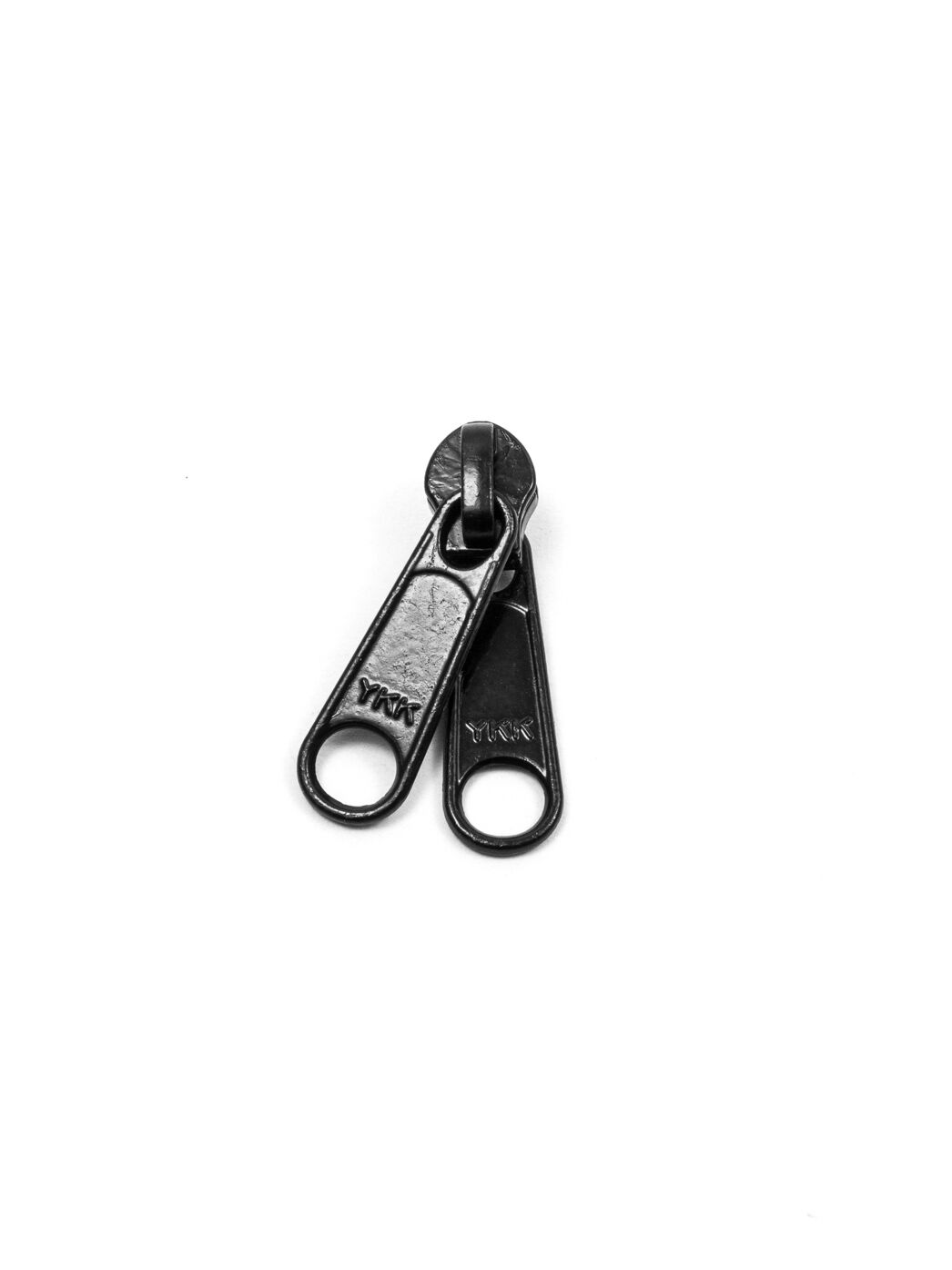
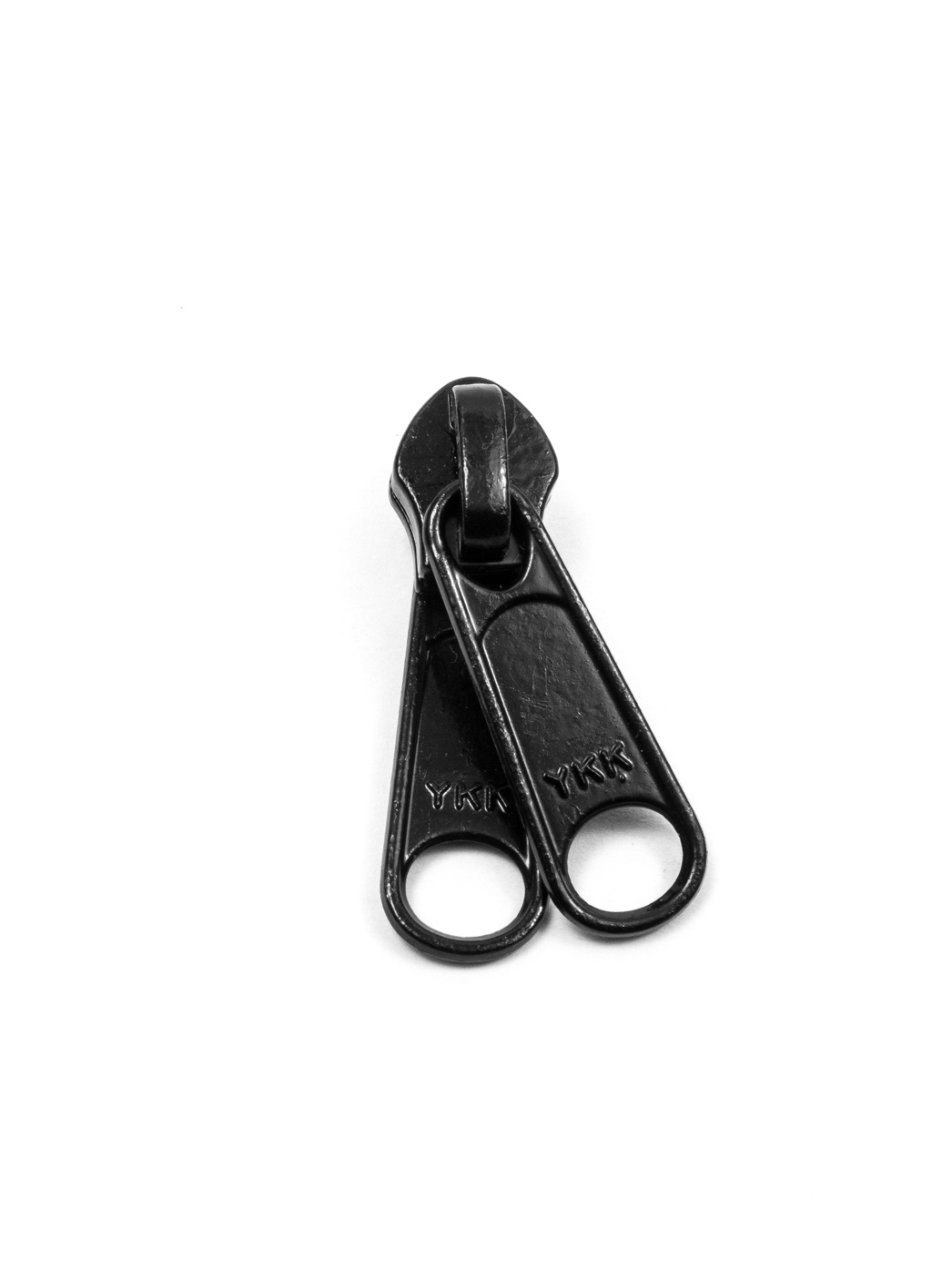
YKK 3C slider, both side, non-lock color: black 2pcs. €1.23 total: €2.46 70280.SW
For the zipper on the mosquito netting.
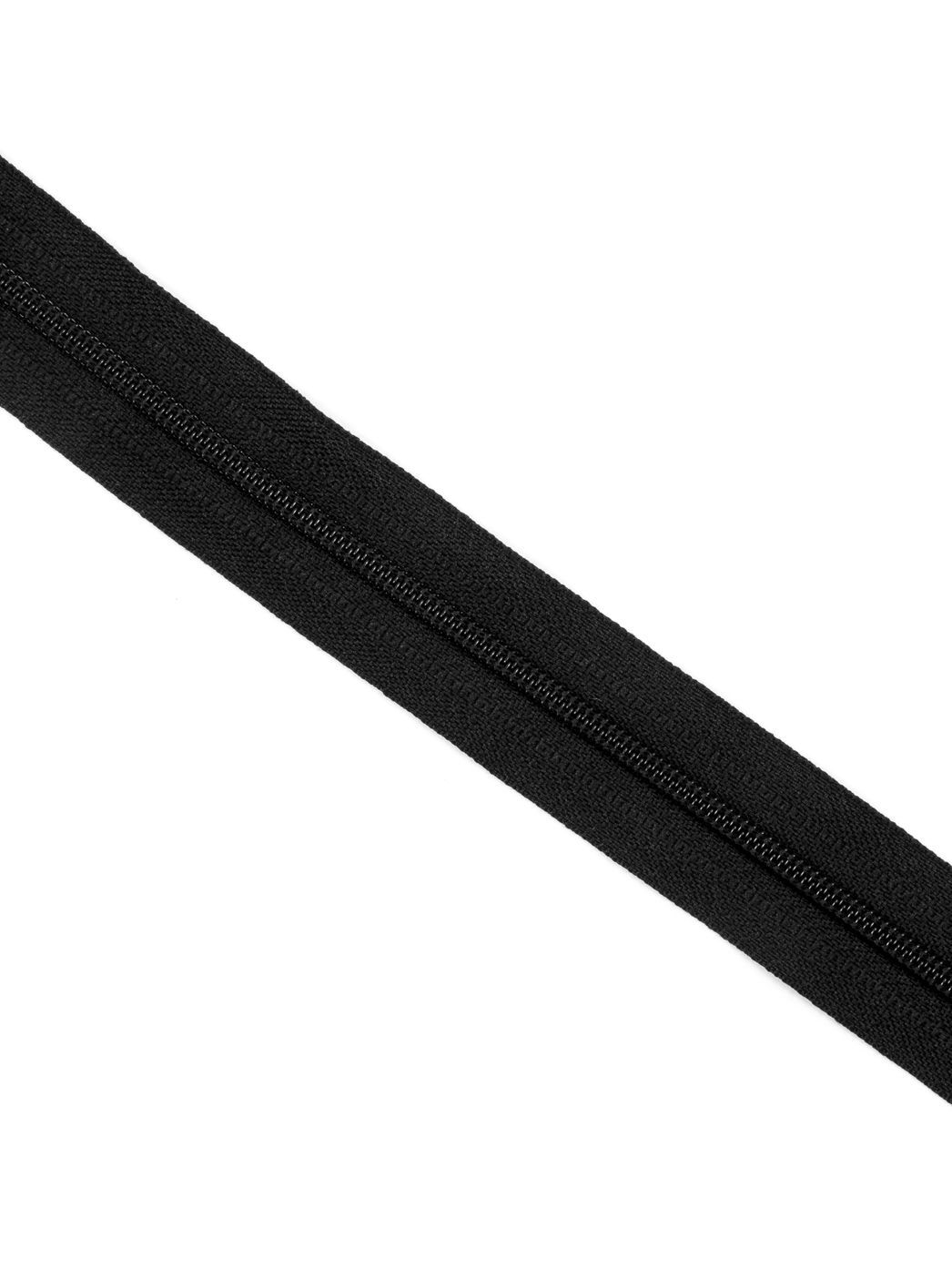
YKK 3C Zipper by the meter color: black 2,0m €1.95 total: €3.90 70474.SW
For the mosquito netting that divides the tent into two.
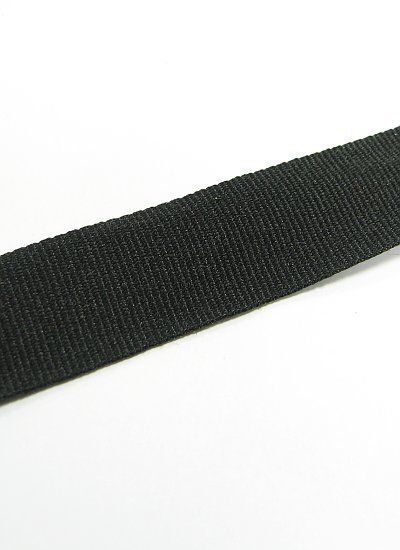
For the vertical pole. I’ll cut 10cm off each section so it will be 4*30cm=120cm high and each section an easy-to-pack only 30cm long. On hikes I could just use my hiking pole.
I would have bought it for 550$ but it’s out of stock. So I bought reams of Dyneema material that I can now have fun playing with.
I’ve always wondered how to get maximum usable volume out of the mix of poles and material for minimal weight. An interesting optimization problem!
The open questions are:
The width of the tent and the mosquito-proof area: one, or two, people wide? We already have a wonderful superlight 900g two-person dyneema tent, which I don’t want to recreate. But if I plan to use it as an emergency shelter, then two people and luggage should fit, while still being substantially lighter than 900g.
Single or double walled? My camo ziplock tent is single walled and works ok at lower altitude levels in good weather. Its problem is the lack of size, overabundance of weight, and not enough ventilation. So no inner tent needed, just an impermeable floor and roof with airy doors and windows.
Can I make a 1-person sleeping shelter that holds off the pouring rain, allowing me to get dressed in the dry and tackle the next leg of my bike trip wearing my waterproof clothing?
Could it double as an emergency shelter for two while day hiking?
Does it need to be all-singing and dancing? Just more protective than a tarp, bigger than a bivvy bag, and lighter than a two-person tent.
Comfortable to sit, sleep and get dressed in during a thunderstorm
With bug-free ventilation
Windows to look out of on both sides with hoods to keep the rain out
No need to go outside in the rain to tighten the sagging fly – ergo dyneema.
Avoid single points of failure, such as zipper end points
Avoid hard pointy objects that can damage the material when it’s rolled up tightly
Have as few pieces that can get lost or blow away as possible. Attach pegs to the cords, no pole or peg bag, one piece of material
Otoh maybe a flexible pole setup is useful – using a trekking pole for the vertical support, or having a complete hoop to support the roof and avoid the middle pole
Quick and easy to set up in a sudden thunderstorm. Stake out the four, six, or eight corners with pegs attached to the fly. Open the door zipper, step inside with the luggage, and insert the umbrella struts (maybe they can be permanent, just detached from the top strut). Raise the roof with the central pole. Relax.
We once went backcountry canoeing with our 11-month old son. Just as we were arriving at the backcountry campsite a huge thunderstorm let loose. I sat under a big tarp, just draped over me, and fed him while the others set up the tents. It was all that was needed – a dry place to eat something. (The tarp rubbing my hair got a bit annoying after a while though.)
Do I really need mosquito netting dividing it in half? What if the door and the window had mosquito netting on them? For the window the mosquito netting could be on the outside. For the door the mosquito netting would need to be openable, but also on the outside…
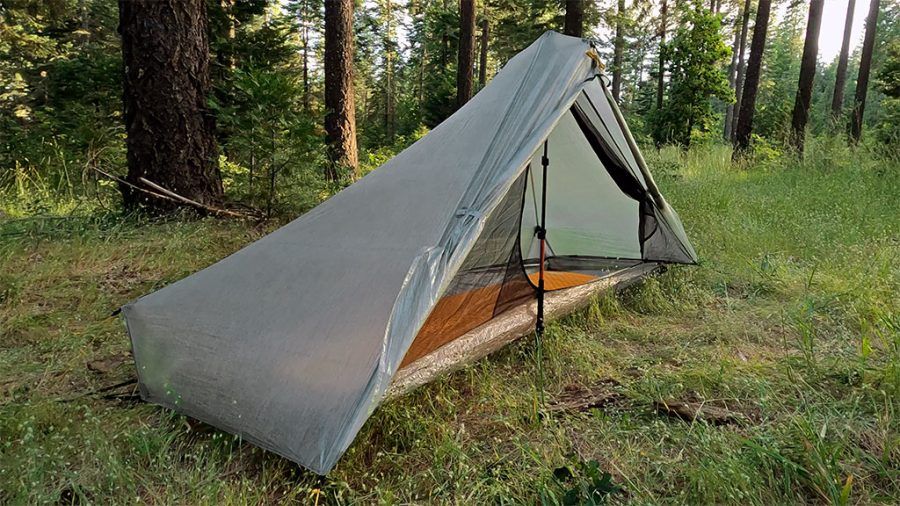
Something like this (a bit smaller and lighter plus the addition of mosquito netting)?
A bit tricky to climb in and out but ease of entry is not a top requirement. (What if the emergency shelter is needed for an unconscious person? Tant pis.) The tent would not need to be able to float. Though since the ground sheet would be attached to the fly, no water would come in that way. Ventilation would be provided by the mosquito-netting covered and hooded window and door.
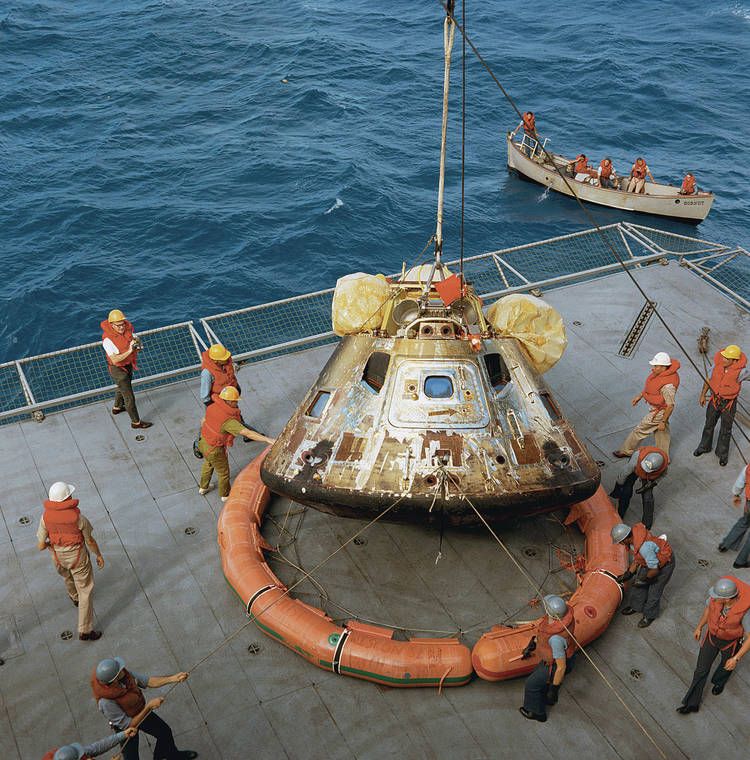
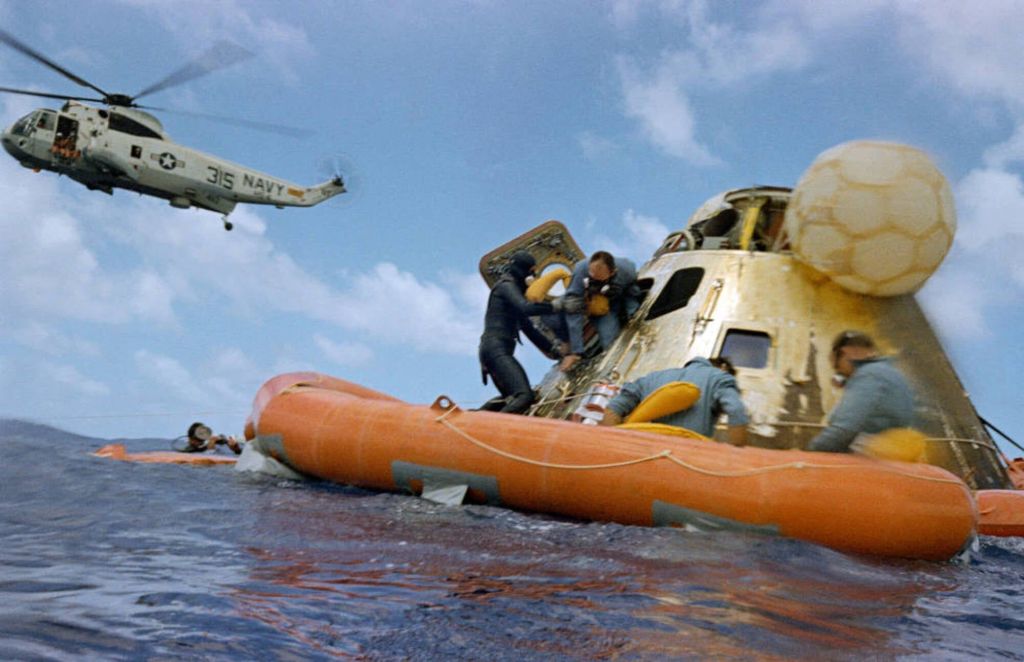
Gosh, watching old videos from the Apollo splashdowns puts everything into perspective! The risks they took … vs. the “getting wet while sleeping on a bike tour” risk that I’m trying to avoid …
Continuing my thoughts, how can the hoods over the window
like in our very old wonderful tent, be kept open? With a rigid ribbon? Would it be removed when packed?
With the extraordinary hot summer we’re experiencing in Europe right now, and the bombing of the infrastructure in several countries, plus a sale on Dyneema material so I can finally make my own light-weight emergency shelter without feeling too guilty of wasting money, I’m thinking about what would be a systematic way to increase our ability to deal with a “lights go out” or “supply chain issue” situation.
Blackouts of several hours and days’ duration have happened lately: a three-day blackout in the winter in Ottawa, a one-day blackout in the summer in Barcelona.
The first issue is the freezer. All the stuff inside will thaw out. So depending on the fridge and freezer to store food is not great. What do we have in our freezer? Fish, fruit, veggies. They’d have to be eaten quickly. We should preserve in jars whatever we have in there and make sure we rotate through the food so we know what we have. Buy more fish in cans?
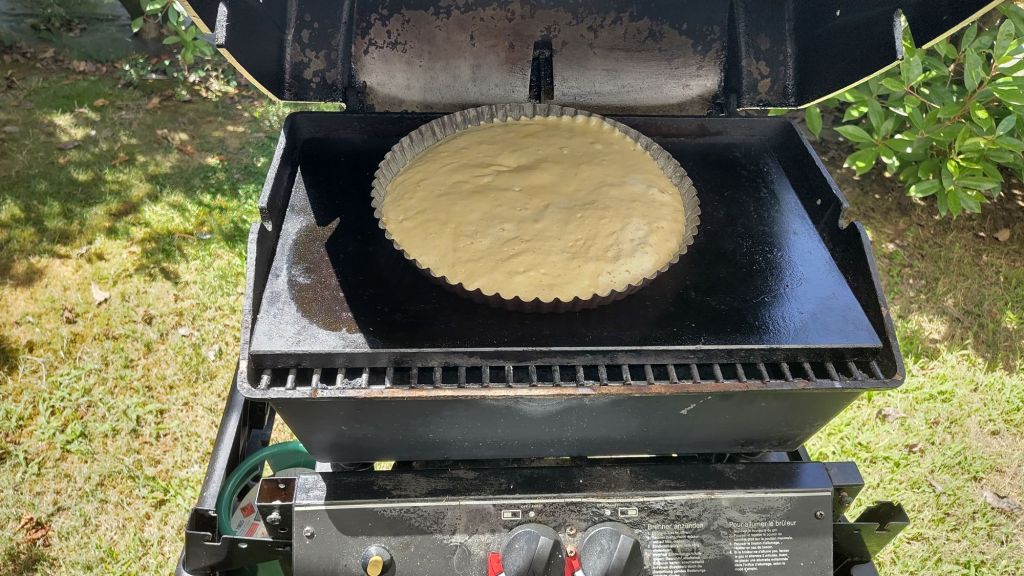
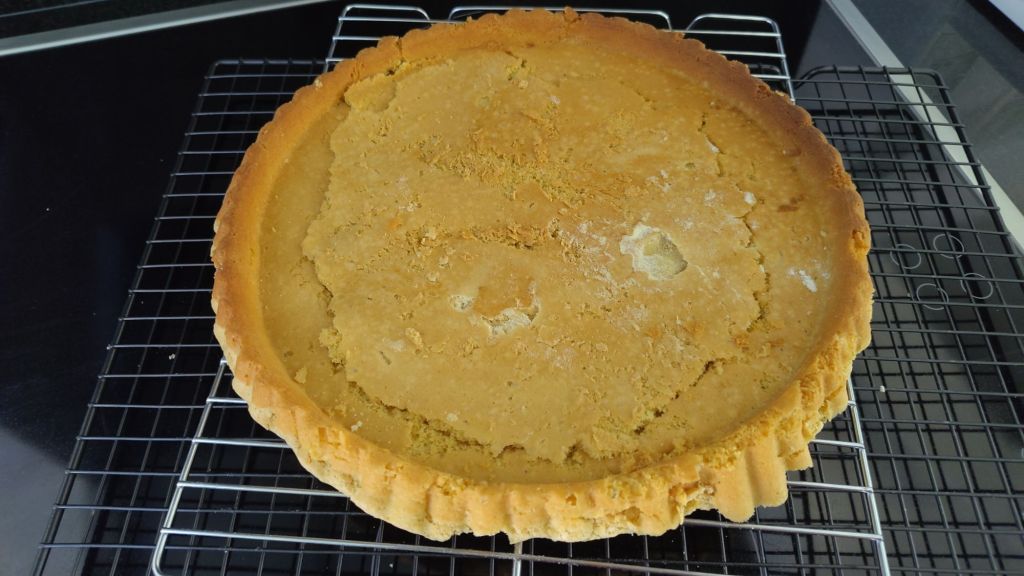
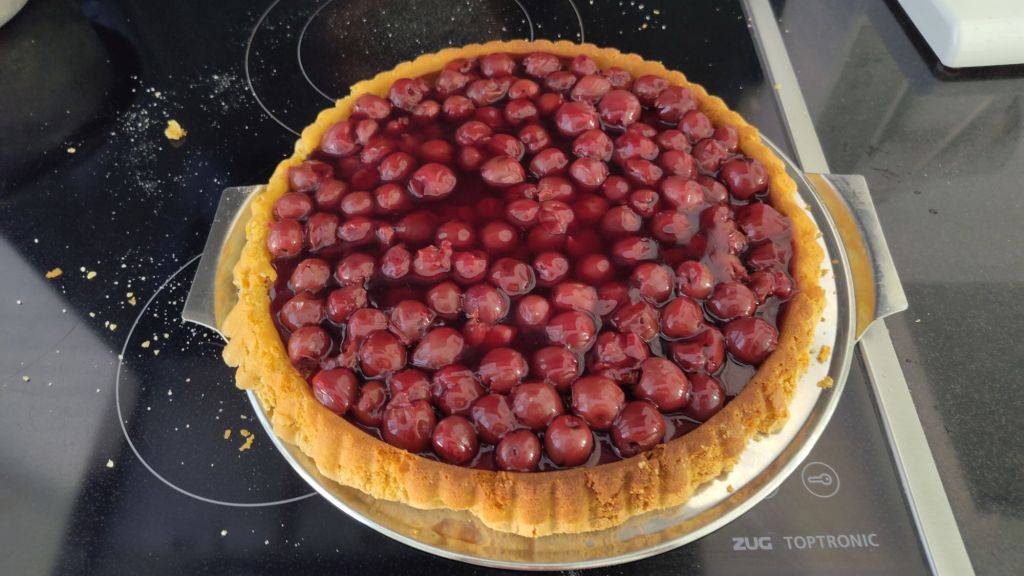
The second issue is cooking. Our kitchen is all electric. We have a barbq in which I baked a cake the other day because our oven decided to stop working in the middle of preheating.
It kinda worked out. With a bit of practice also the middle of the cake would be cooked properly. A circle of non-stick material would help remove the cake more easily. Hand-whipping the eggs and UHT cream would be tedious though, even with a handmixer. Do we even need cakes during an emergency? Yes, if someone has a birthday we want to be able to celebrate it and not just be miserable.
The barbq is not great for making coffee, but we have our camping stoves for that. Do we have enough camping fuel for endless coffees and teas? Let’s order some more instead of buying another “just-in-case” stovetop cooker that runs on the big gas canisters.
What food reserves could we eat without cooking, or with just some added hot water, as we do when backpacking? Is it worth it to buy some pre-made freeze-dried stuff? I wouldn’t be able to dry our own vegetables if there’s no electricity.
The third issue is heating the house. Earlier this year we stayed in my aunt’s vacation house where the heating system had given up. It was close to freezing at night. We were cozy warm in our down sleeping bags but walking around the house cleaning it up was miserably cold. When Putin threatened to turn off the gas to Europe we tried to buy wood for the stove in our house, but there was none to be had. So now we’re thinking again about how to stockpile wood without it just sitting there as an insect hotel. I’ve used it quite regularly during days of sudden temperature drops. It has given a nice cozy feeling on rainy days, which is also important!
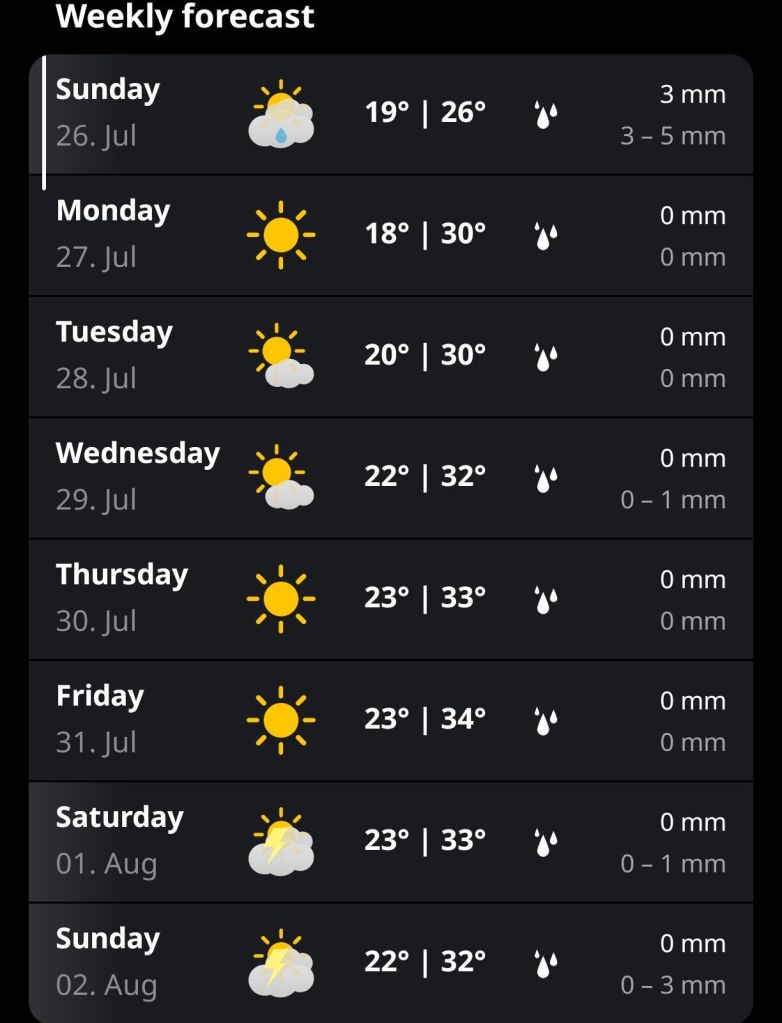
The fourth issue is cooling the house. We’ve had three heat waves already and a fourth one is on the way. As soon as it’s above 33 during the day and above 21 during the night, the outside and the house become uncomfortably hot.
Two days of nice cool temperatures before we get hot and lethargic again.
The openable skylight lets the hot air escape upwards, so the passive flow helps cool the house. But when the night temperature is not low enough to cool the house, the portable air conditioner helps to reduce it a couple of degrees during the day, using solar energy! This won’t work when the lights go out though. Check out the book The Ministry for the Future to see what could happen. Good thing our local lake is quite deep.
Time for breakfast to keep sugar levels and spirits up. Stay tuned!
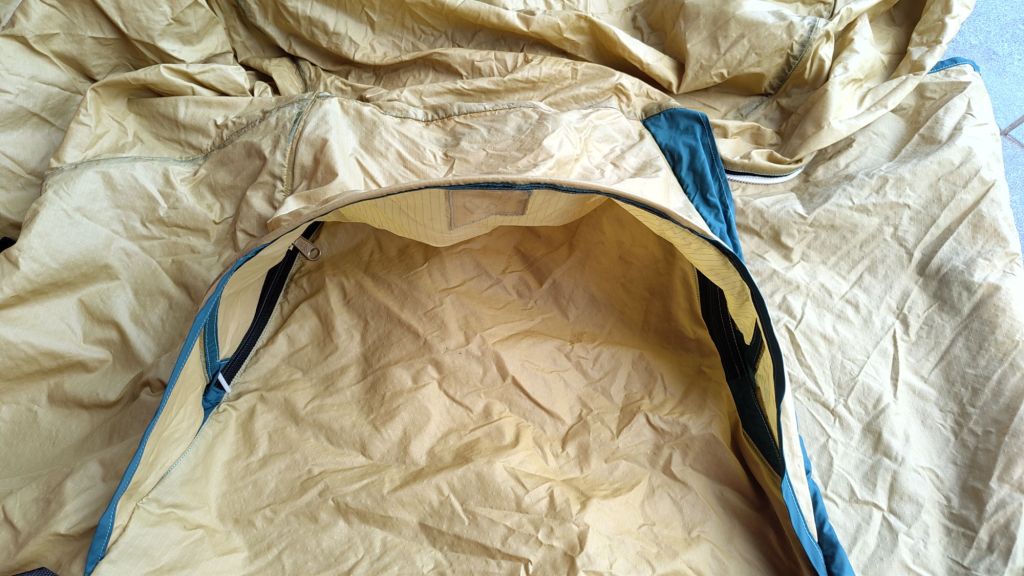
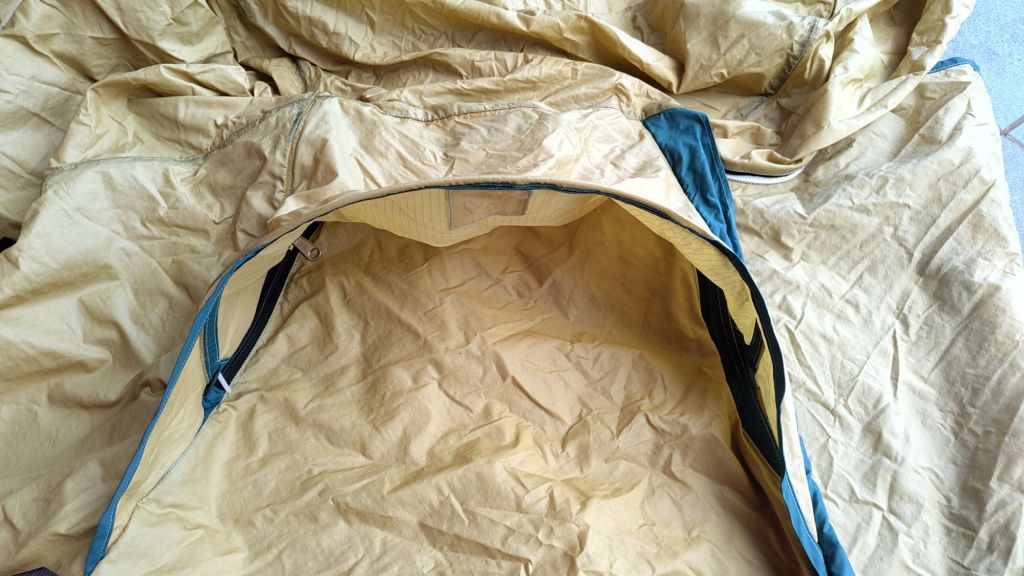
Our wonderful 30-year-old tent isn’t smelling so great. It’s offgassing something terrible. I don’t have the heart to throw it away because it has some really cool features.
One of them, a hood that’s kept taut through use of a plastic doodad, helped enormously with airflow through the tent. Plus you could look out the window in the morning, which is really cool. I’m thinking of applying this feature to our dyneema tent.
I don’t think I’ll replace the stinky parts of this tent with new material because it weighs more than 3 kg, and our new dyneema tent weighs less than 1 kg. I also don’t know how much we can depend on the solidity of the material or the waterproofness. It was a bomb-proof tent 30 years ago. It seems tents last less than 10 years!
What about our 22-year-old Hilleberg? It is made of silicon-coated Kerlon fabric. The fly has a few little holes in it … So I’m not sure I’d take it into the high mountains again.
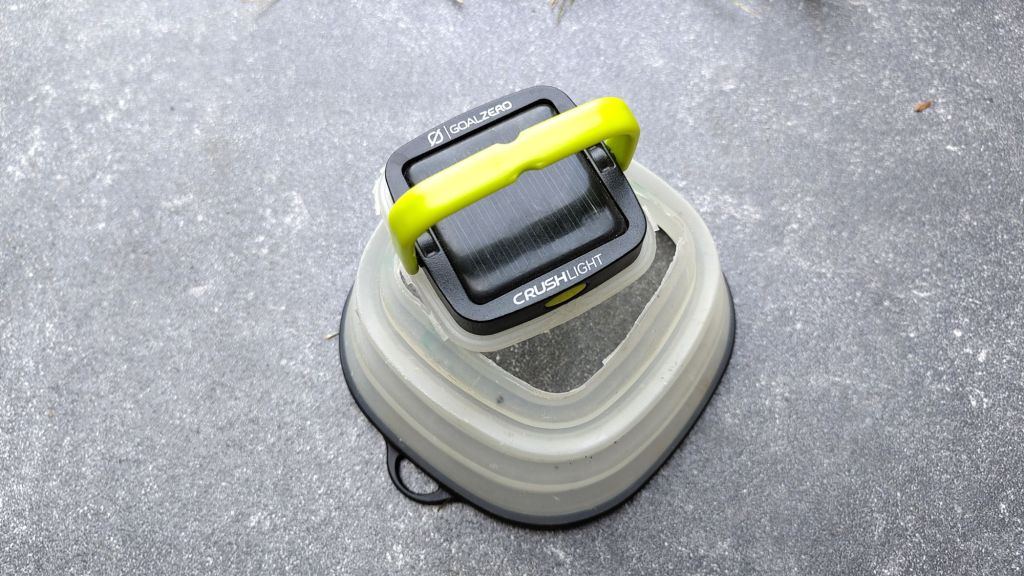
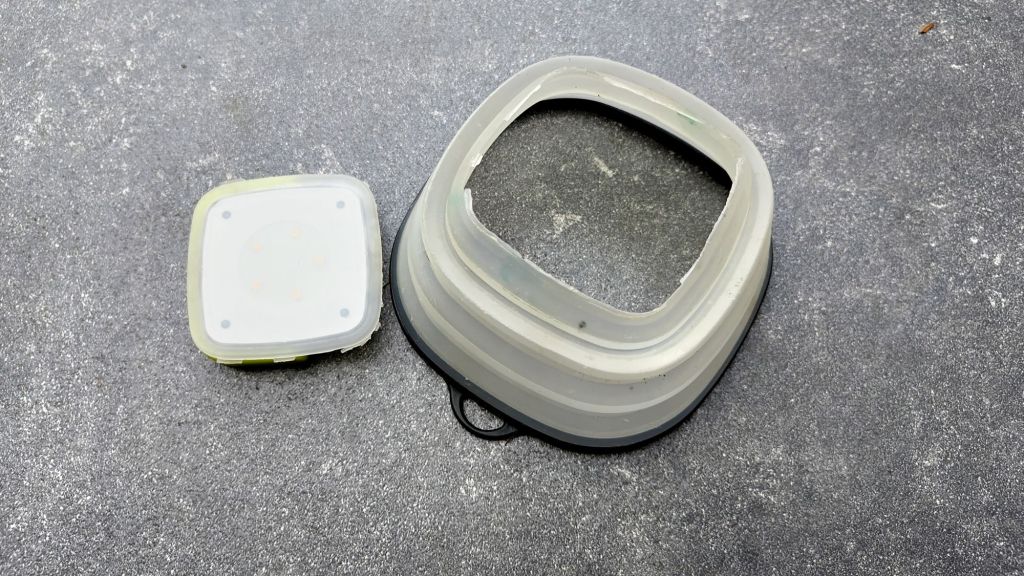
This wonderful light from Goalzero has also given up. The flexible plastic got sticky
And then detached.
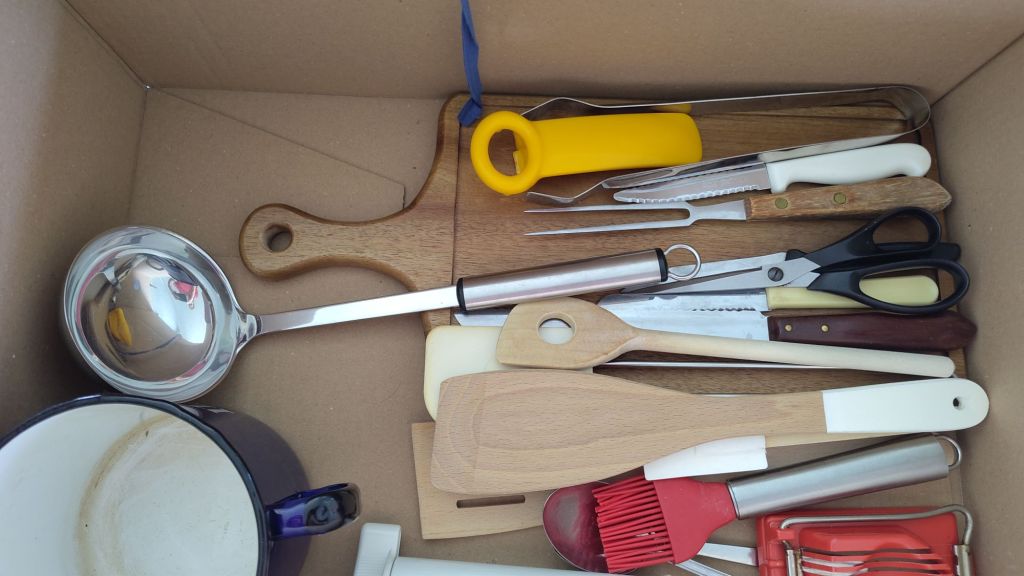
In cleaning up my aunt’s house we brought a lot of wooden and metal objects home with us.
They don’t look as sexy but have withstood the test of time.
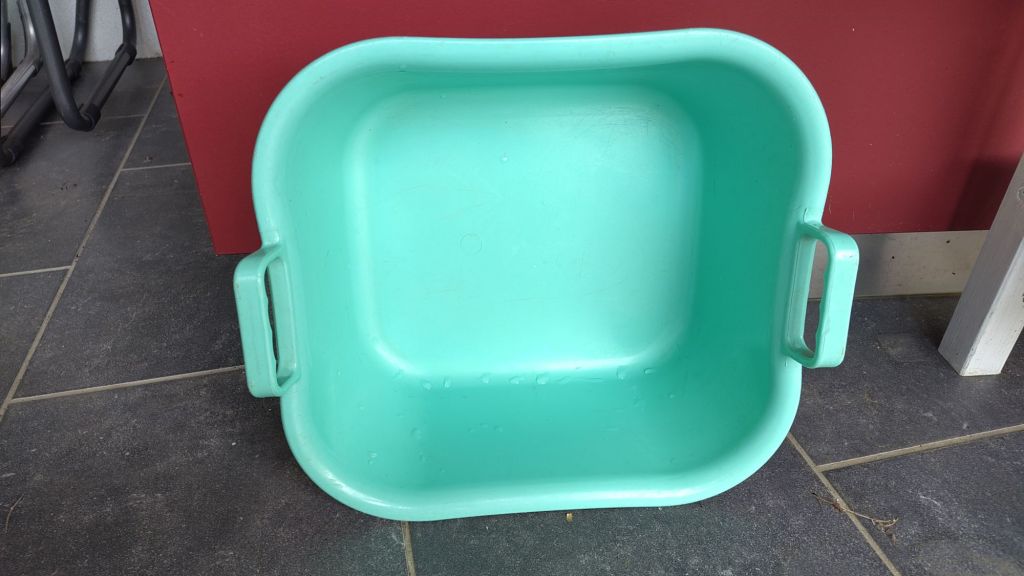
Other old plastic things such as this bucket
are an awful color but very useful for bathing feet in cold water when it’s super hot.
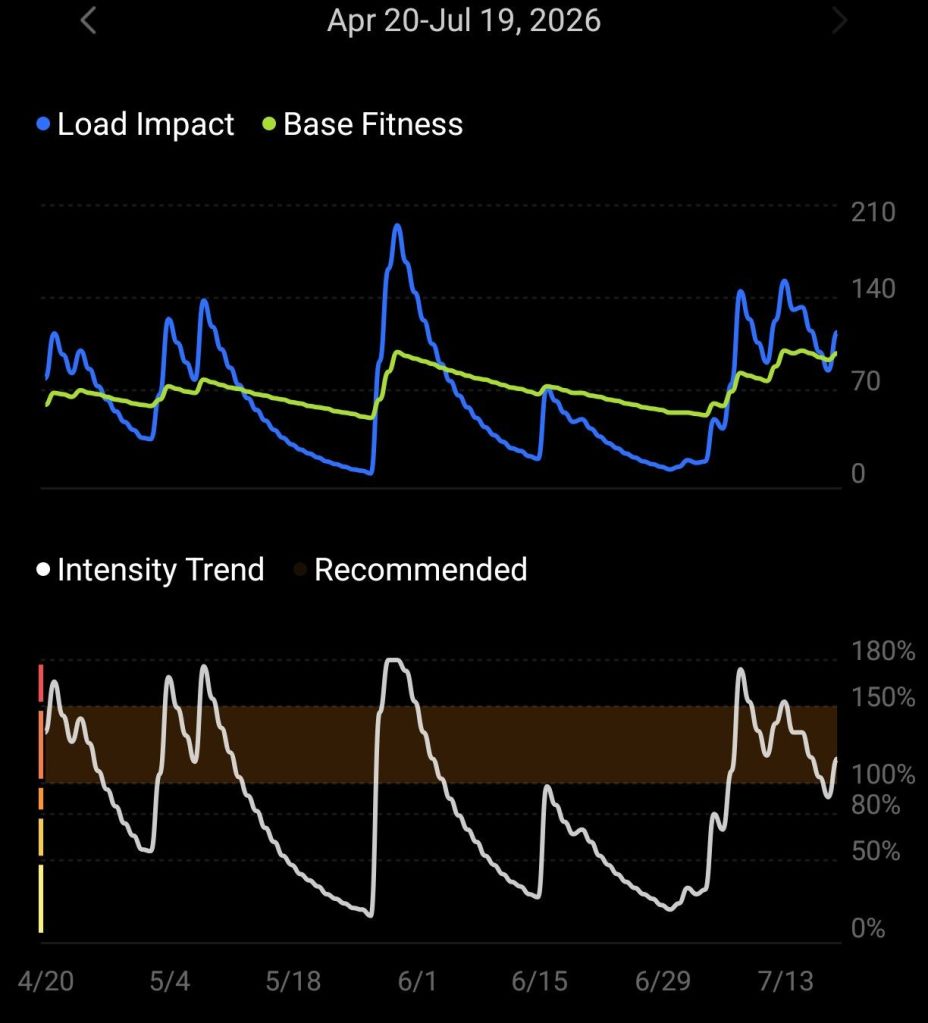
I train for a bit, then nothing for weeks. Then full-on tough days, then traveling and afterwards just relaxing. It’s difficult to improve my fitness like this.
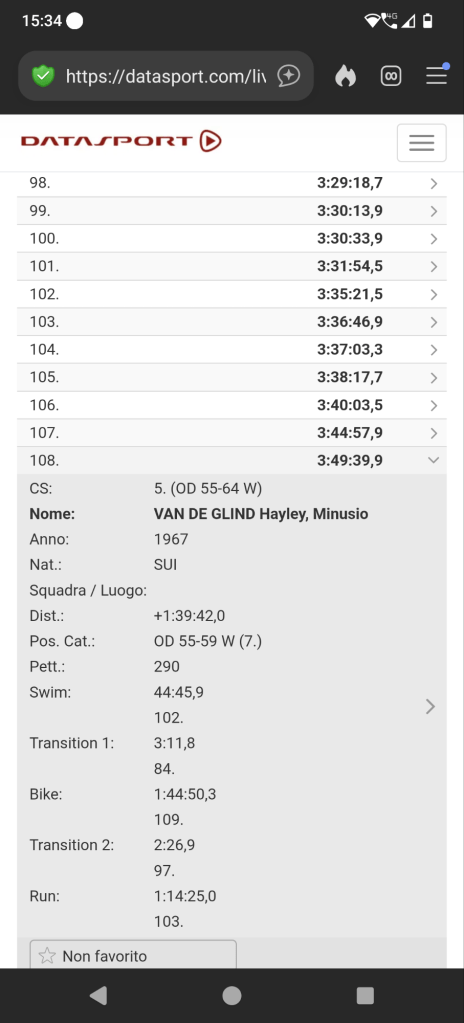
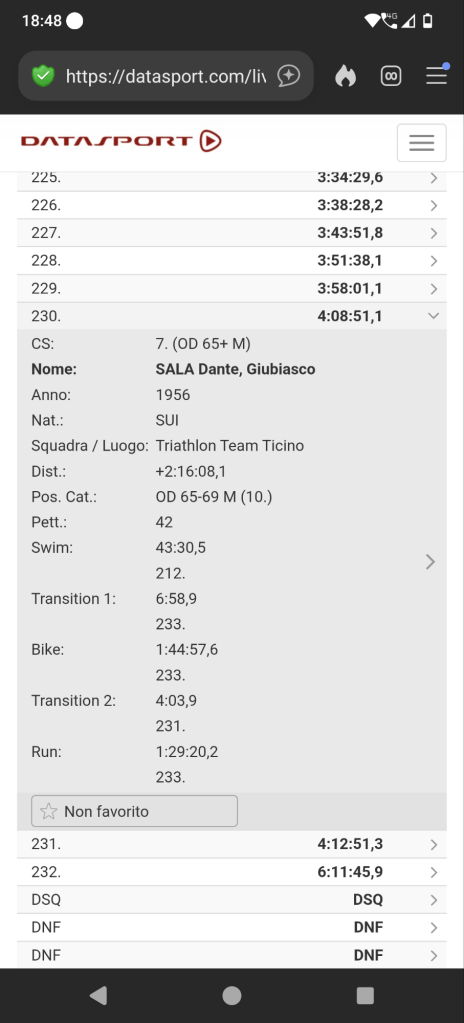
But on September 6th I’ll be standing at the start line with 1.5 km of swimming, 40 k cycling and 10 k running ahead of me thinking “Shit, I should have trained more so that the next 4 hours would be less painful and more satisfying!’
What to do? More sports, of course. But without injuring myself. What are my weak points? My right knee twinges when I run for too long. My left hip is uncomfortable when I lie down. My right shoulder still feels a bit of that rotator cuff issue I had last year.
Regarding the three activities:
I can swim crawl half the time for a k but do not yet have the stamina or form to swim crawl for a kilometer non-stop, let alone a kilometer and a half.
I can cycle 40 k no problem. I’d like to be able to do it a little faster.
A 5k run is doable but slow again at the moment due to lack of training. 8k too. I think I’d currently be exhausted at the end of a 10k run, especially if I swam and cycled beforehand.
So I can probably complete the Olympic triathlon. I’d just like to be able to do it a bit more elegantly and faster than “just surviving”.
What to do? My calendar is full of activities and the weather is hot. I have to make it a priority to run or cycle in the morning, and to swim in the evening.
So what did I prioritize?
20260712 Sunday: 5k run in the morning – dragged myself out of bed
20260712 Sunday: 1k swim in the afternoon in rough water. Pushed to do this before our friends came over for dinner
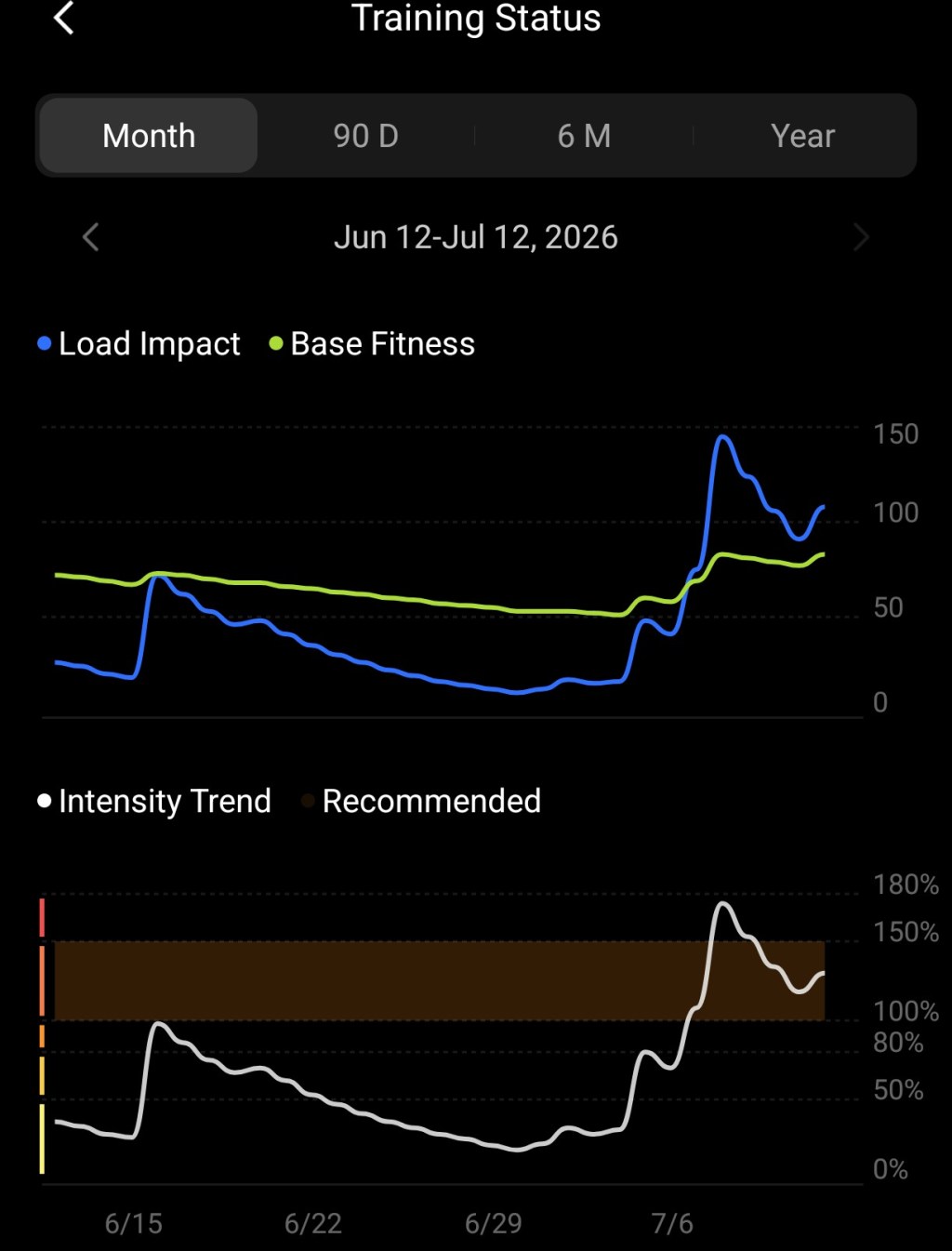
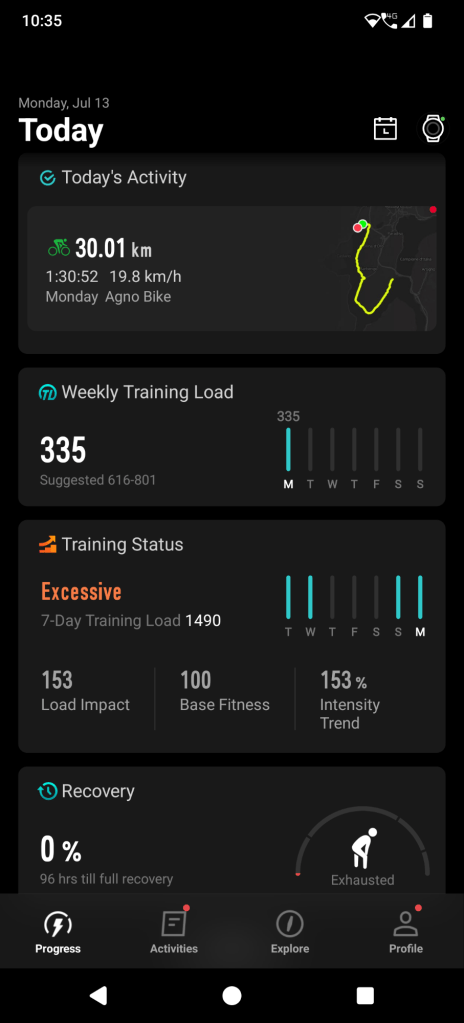
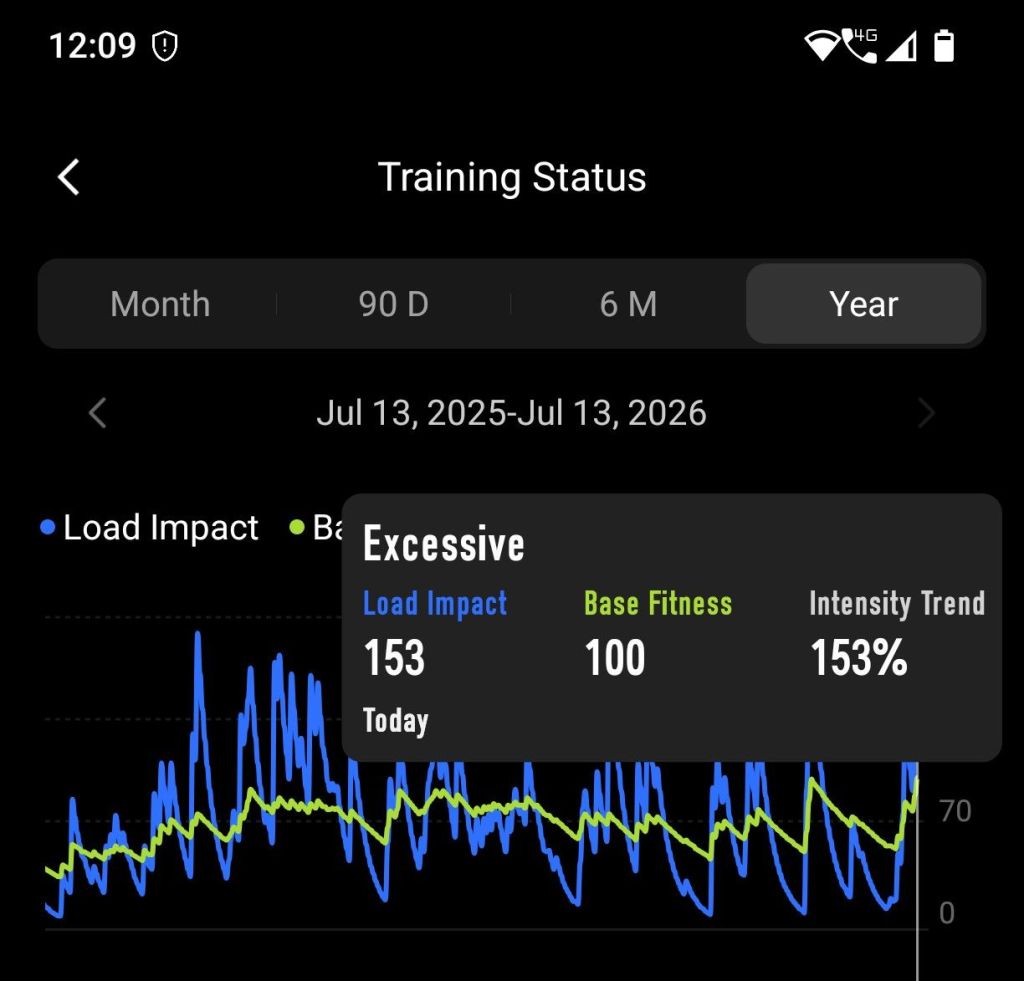
20260713 Monday: my arms ache from swimming. Putting on cycling gear before going downstairs instead of cleaning up my clothing mess. Managed 30k in 1:30! And broke the 100 base fitness level!
100 Base Fitness! Wow!
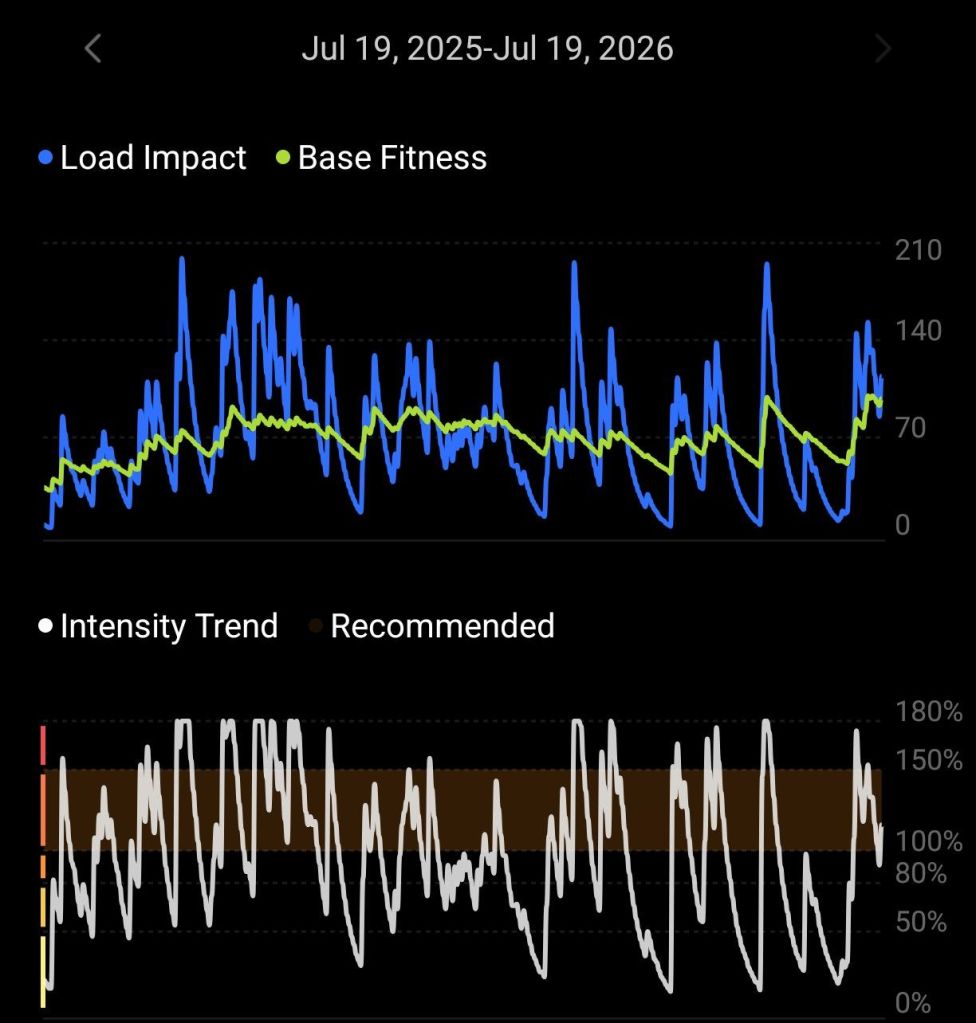
The highest ever! A year ago it was 38.
20260715: 5k run in 38 mins in Winterthur. Didn’t want my base fitness to go down too much while travelling
20260717: 1k swim in 35 mins. I did freestyle 1/2 of the time
20260718: 1k swim in 38 mins. I did freestyle 2/3 of the time. No rotator cuff twinges!
20260719: 8k run in 1:09. Same time as the last time I did one in January. No knee twinges! I had help dragging myself out of bed as my left hip was complaining. 🥴)
Just keep that yellow base fitness line going up!
Assuming I can keep up the same pace doing all these activities back to back for the olympic distance, my expected times are:
1.5k swim in 38+19= 57 minutes
40k bike in 1.5+0.5= 2 hours
10k run in 38*2= 1:16 minutes (or 1:09+17=1:26 minutes 😬)
Total: 4 hours 13 minutes
So my goal is to be able to do the Olympic triathlon in less than 4.5 hours. The closer I get to 4 hours, the better, but the main goal is to finish without injuries.
Note that there’s a 1-hour cut-off after swimming so I better work on that. Intervals?
I should probably do those rotator cuff and hip exercises from Dr. Kristie Ennes that helped my shoulder and hip become pain free. And lift some weights.
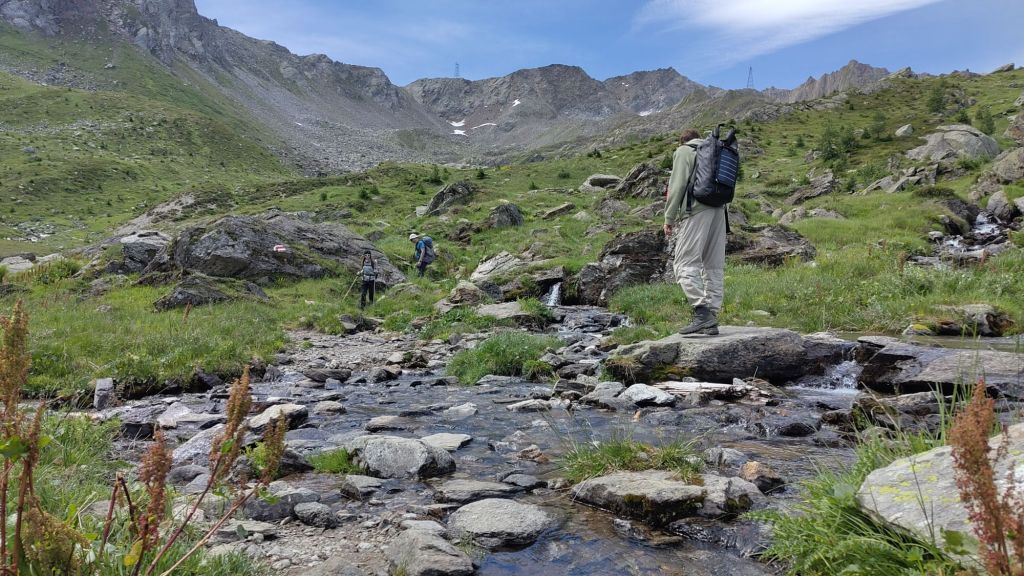
1253m hiking up, even with just light 7 kg packs, requires a bit of training. Tendons need to be strengthened beforehand. We all managed to get up there, but only one of us was trained enough to happily continue with a similar pace (800m up, 1700m down) the next day. Just hiking back down to the car caused sore legs and knees for the following days.
It was a beautiful trip though!
Continuing as a road trip was a nice plan B.
No one got blisters or anything else. There were a couple of items that could be optimized.
To Do Afterwards:
Put in first aid kit:
– monuril3
– Water disinfection tablets
Fill up mini lip balm
Fill up deo
Find second pee rag
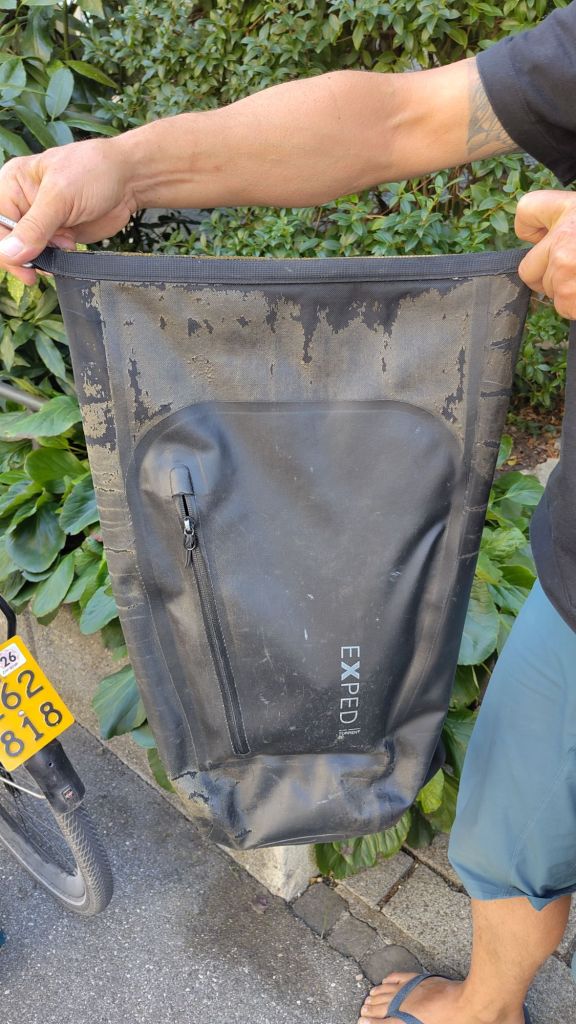
Find green waterproof bags
Buy face cream with SPF Ultrasun to use every dsy
Fix chest strap of 40l exped backpack
Insert shoelaces that don’t come undone
Beanie that doesn’t slide off head during the night
Gloves, even if it’s hot at the bottom of the valley
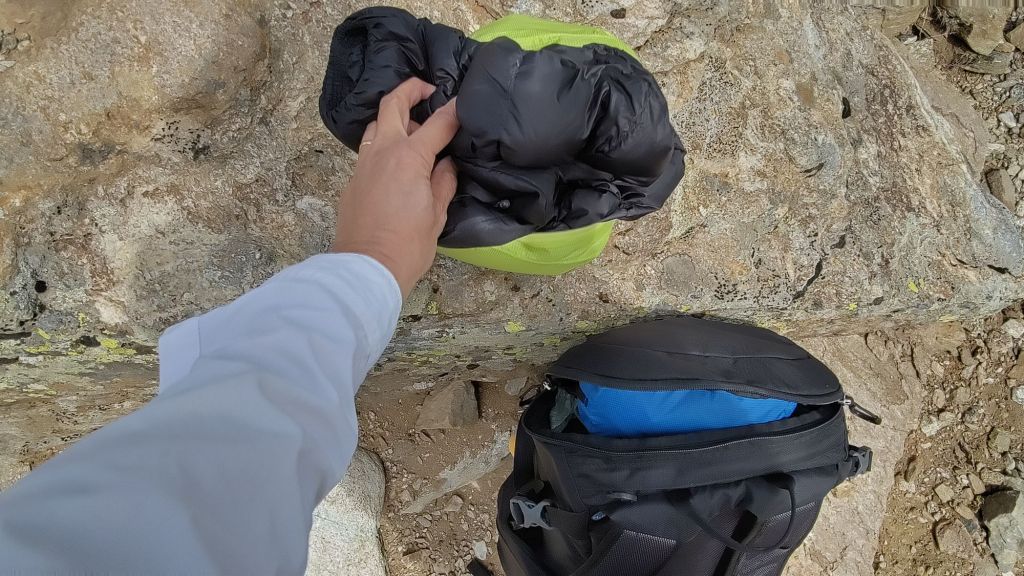
Superduper warm down jacket is just wonderful when it’s coolish.
The hut was not heated so it got quite cold inside in the evening while having dinner and sitting around afterwards.
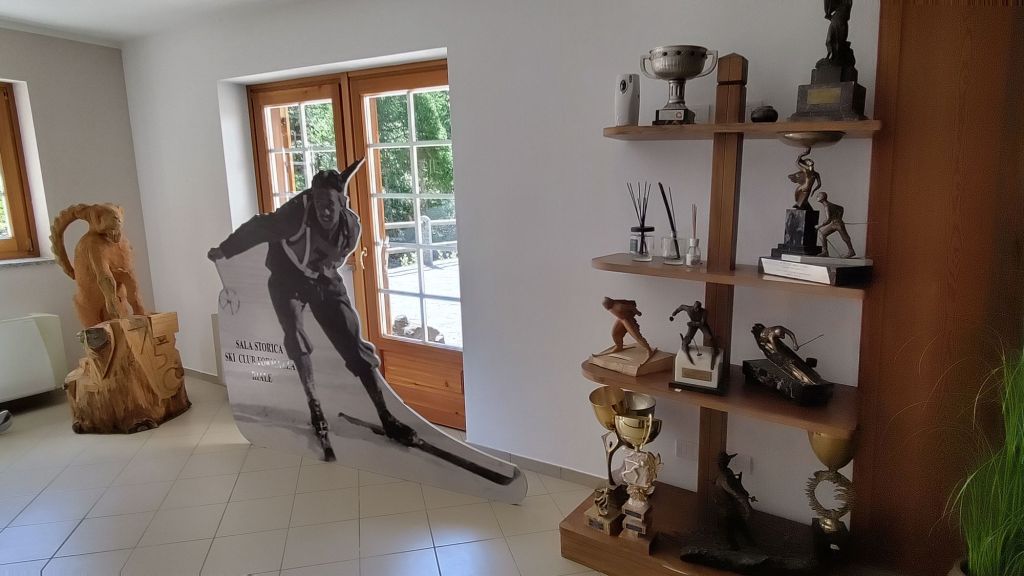
A huge history of cross-country and downhill skiing in Riale
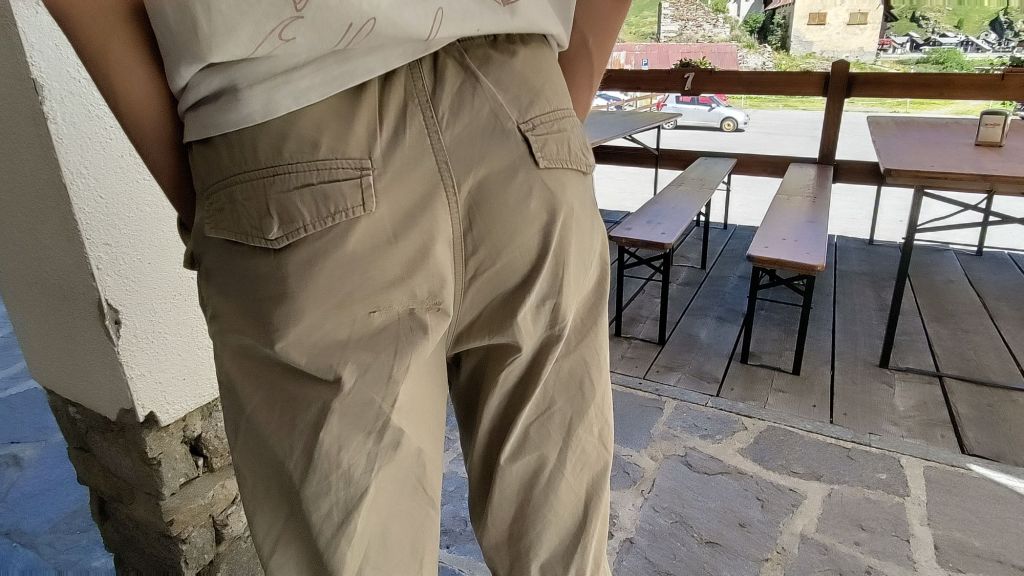
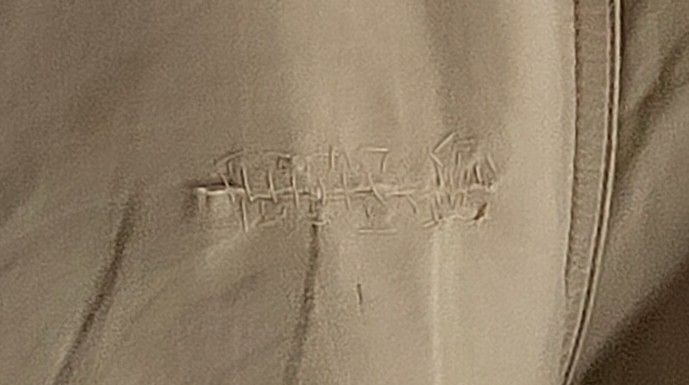
The only use of first aid was to repair a rip in Aldo’s pants.
Finally used my sewing kit!
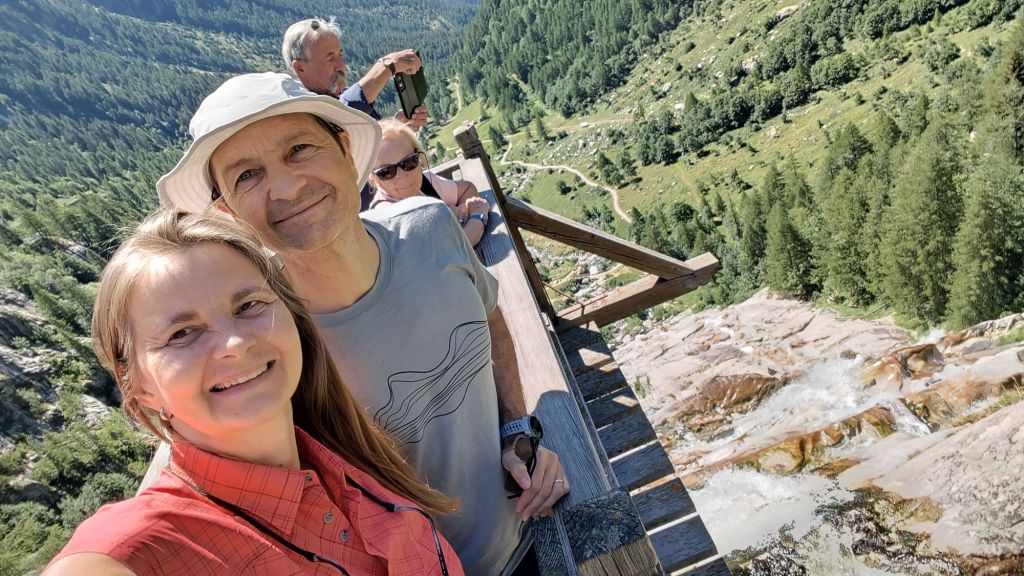
Parents leaning way out …
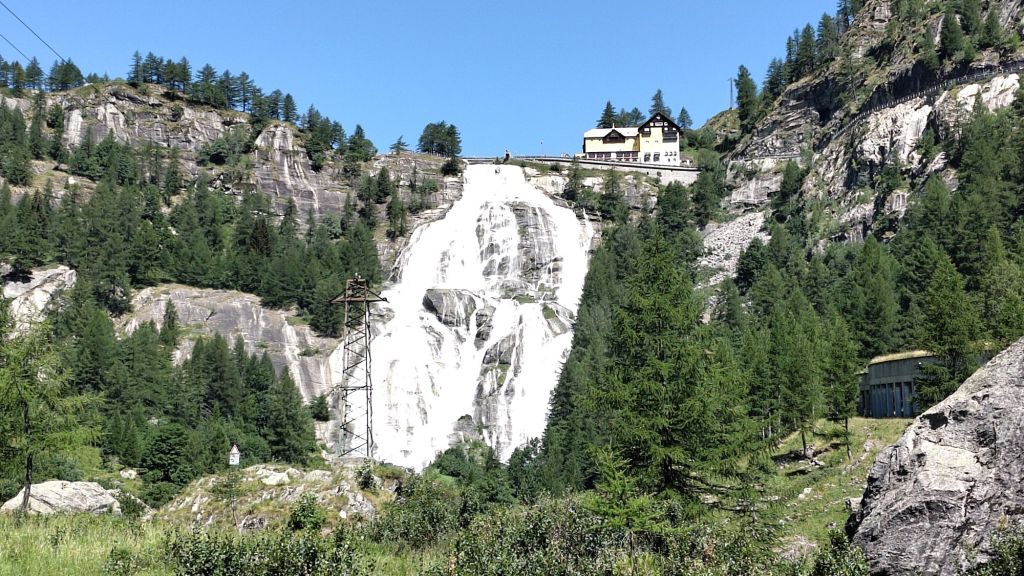
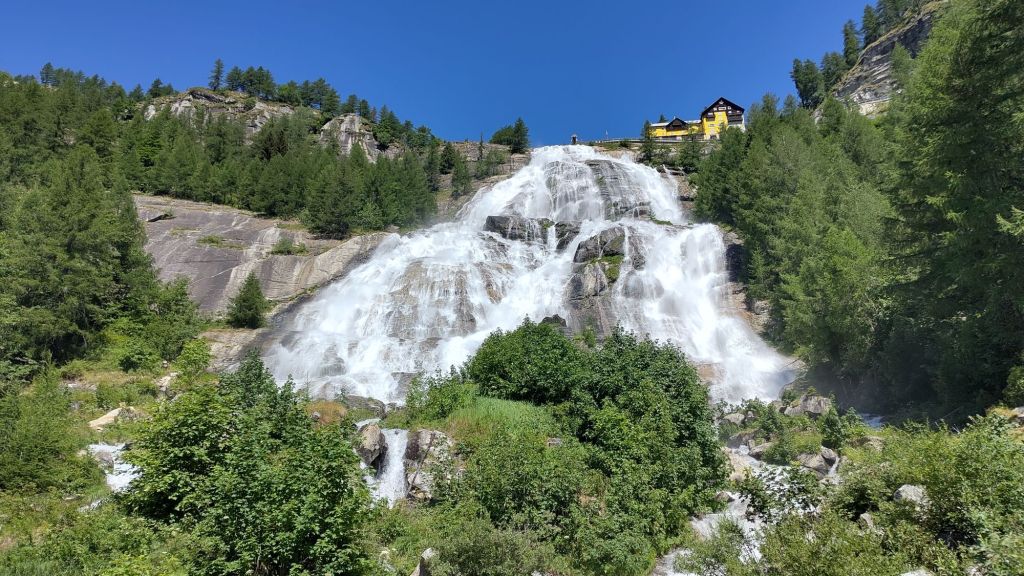
Over the spectacular waterfall: la Cascata del Toce
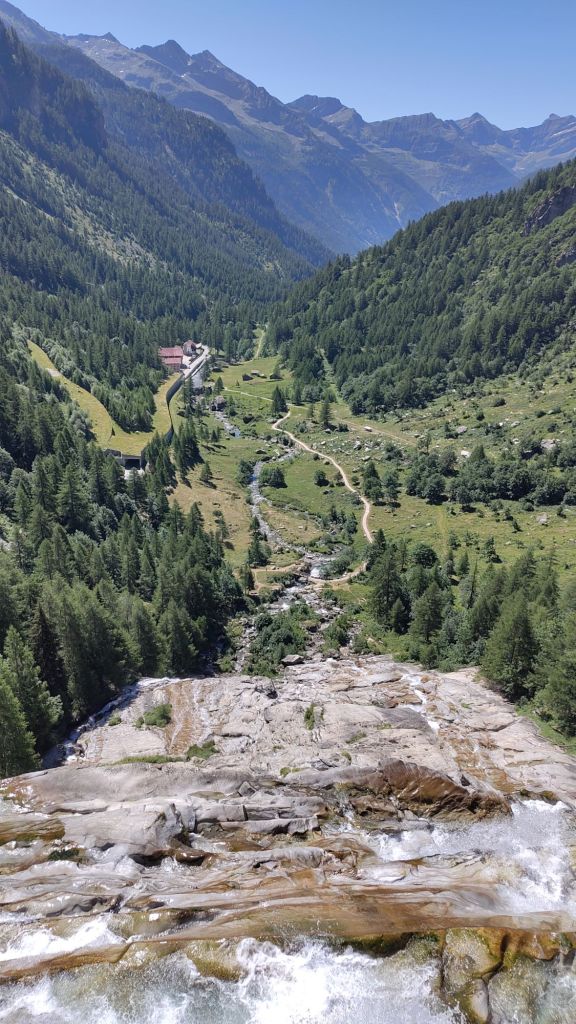
View from the bottom. The Toce River flows down to Gravellona T., the oft-cited endpoint of the north Italian highway. It’s just a small town where the Fiume Toce flows into the Lago Maggiore.
Very refreshing when you get close
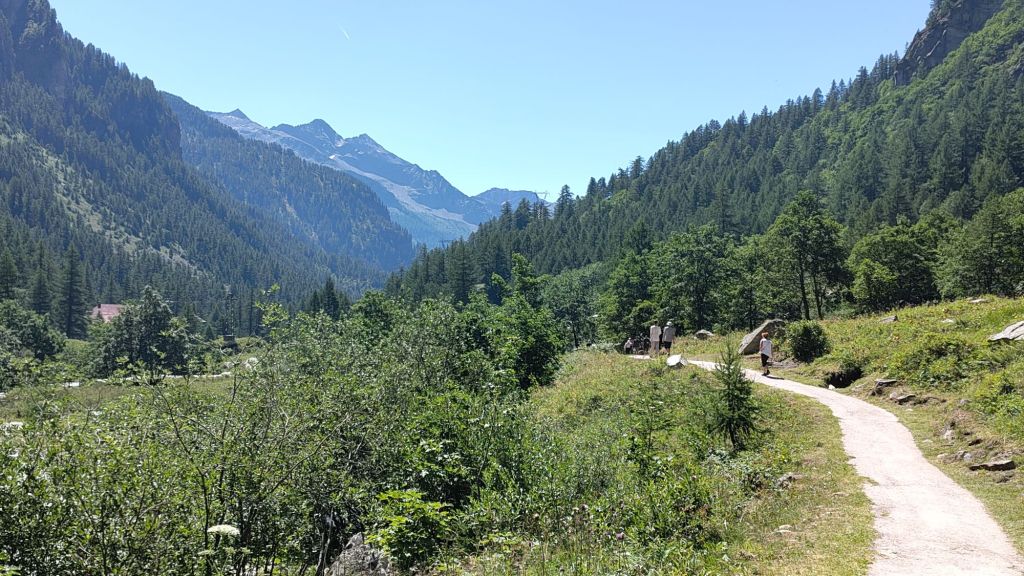
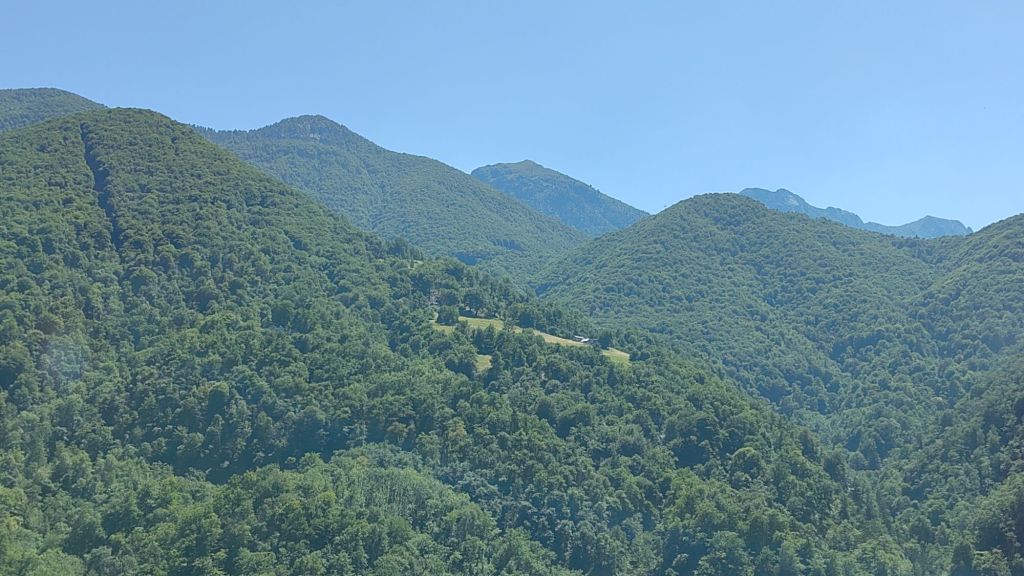
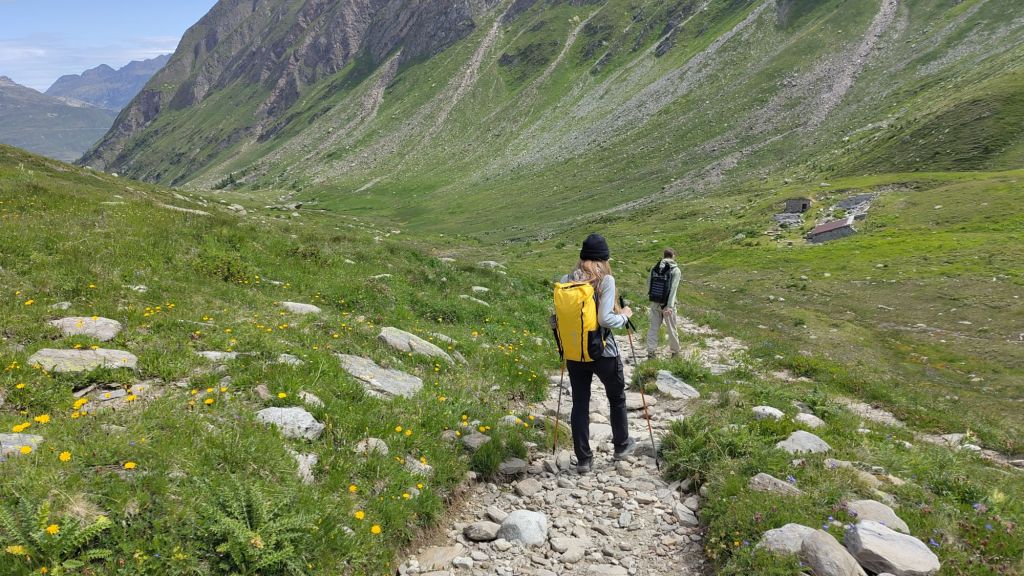
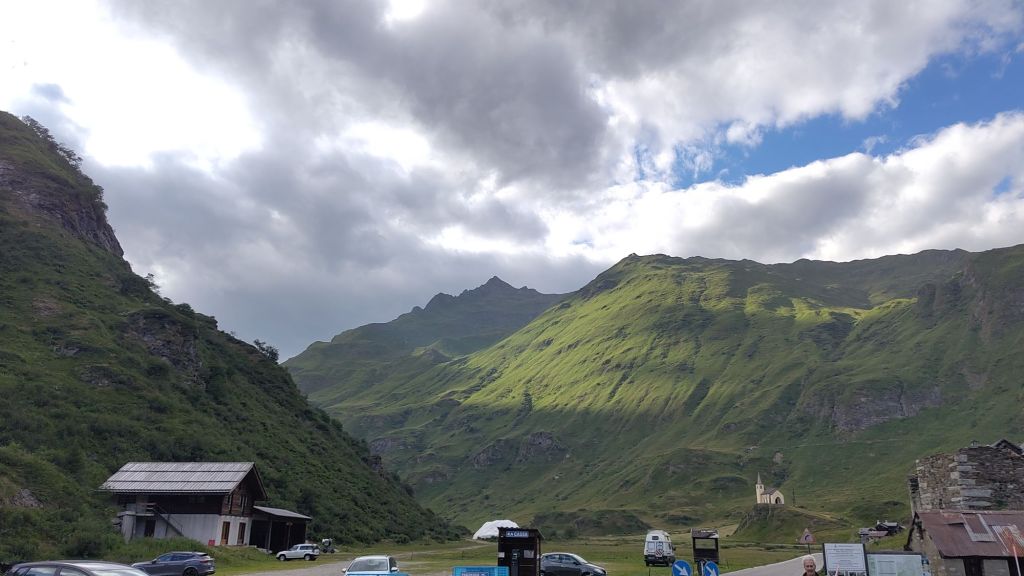
Spectacular Val Formazza
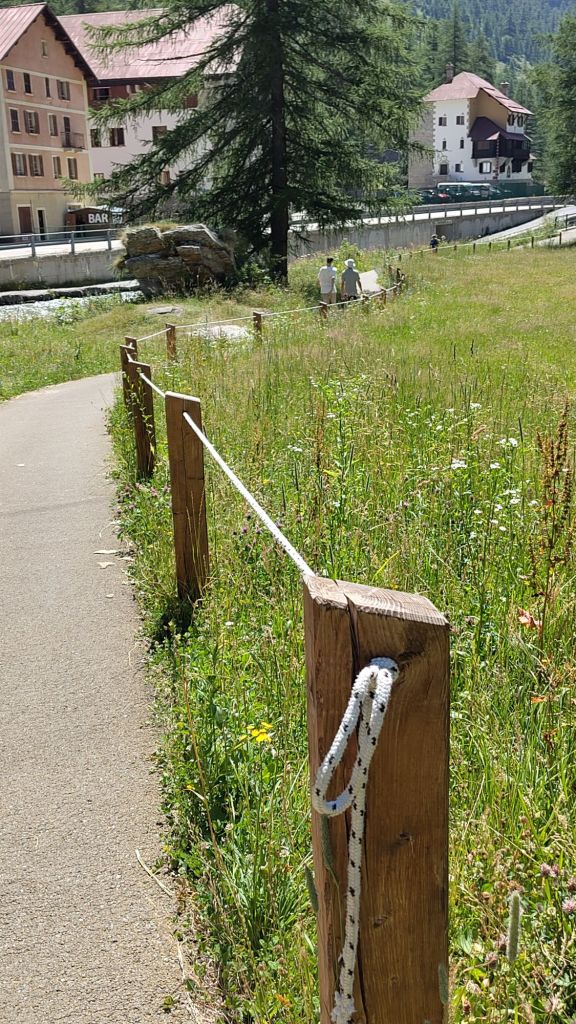
An interesting way to rope off a path
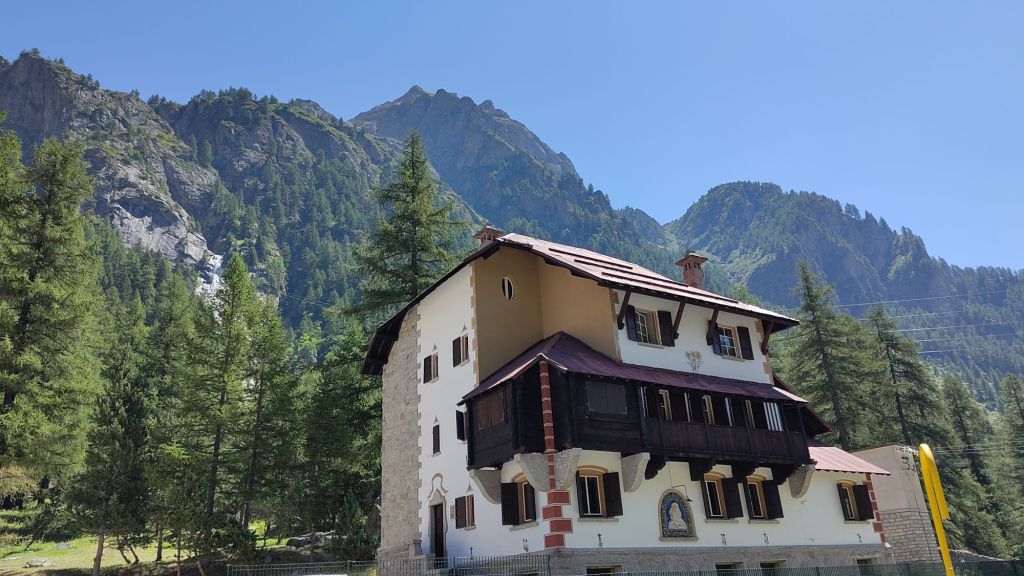
Interesting architecture
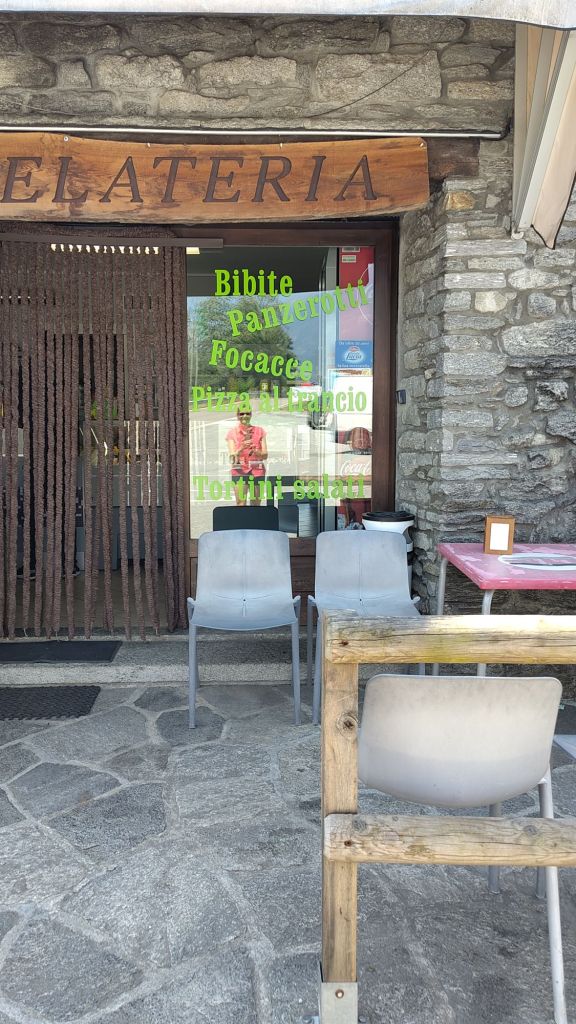
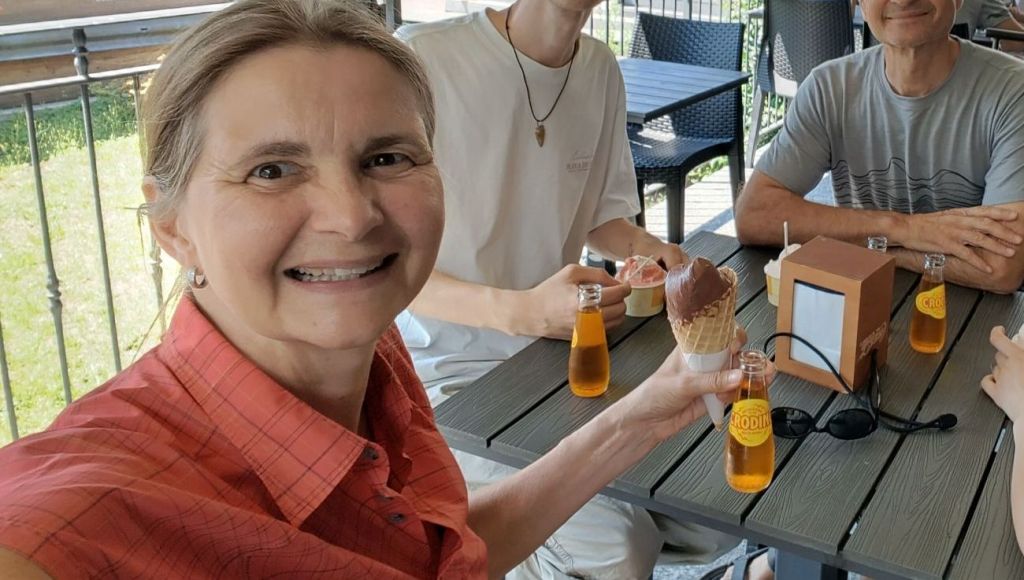
A much-desired delicious ice cream
And a traditional crodino made in Crodo!
Abra …
… Cadabra! We need one of these magnetic mosquito net doors!
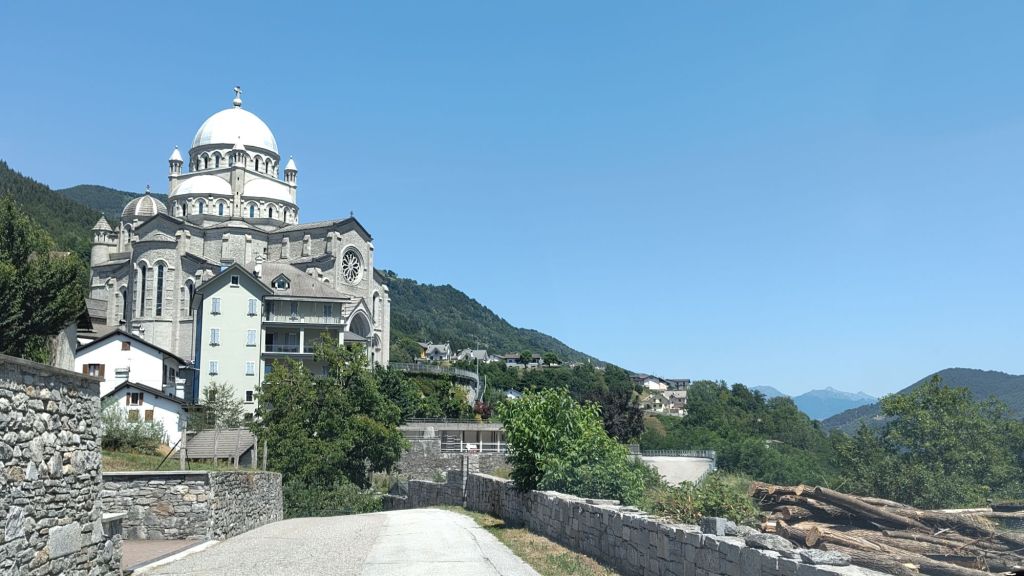
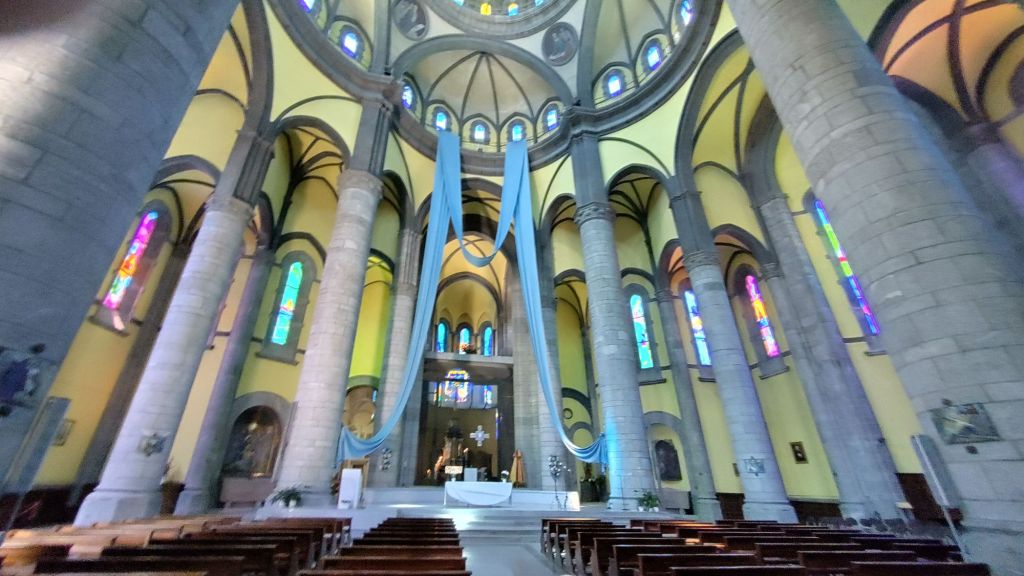
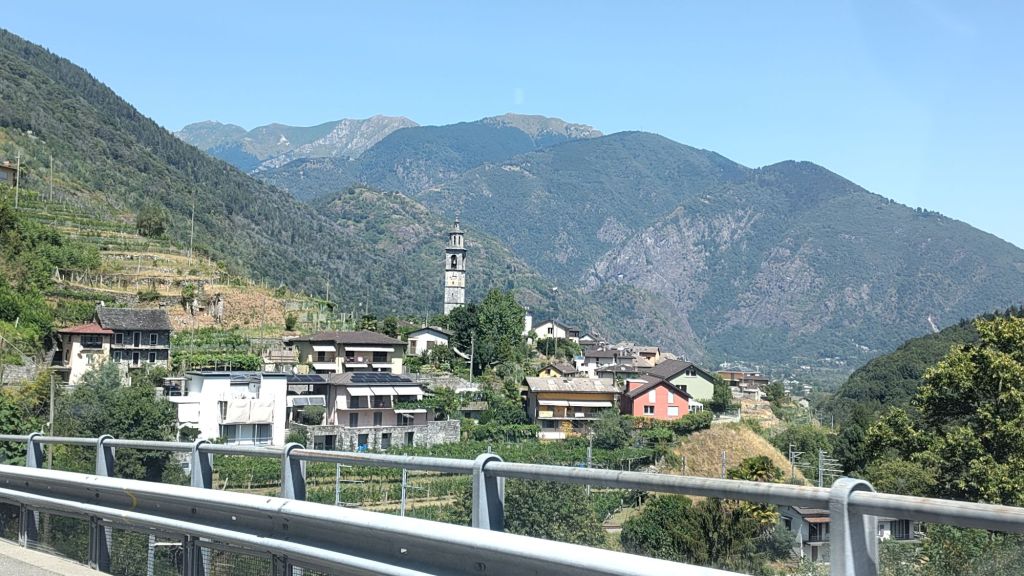
We round a corner in the … Valley and our jaws drop
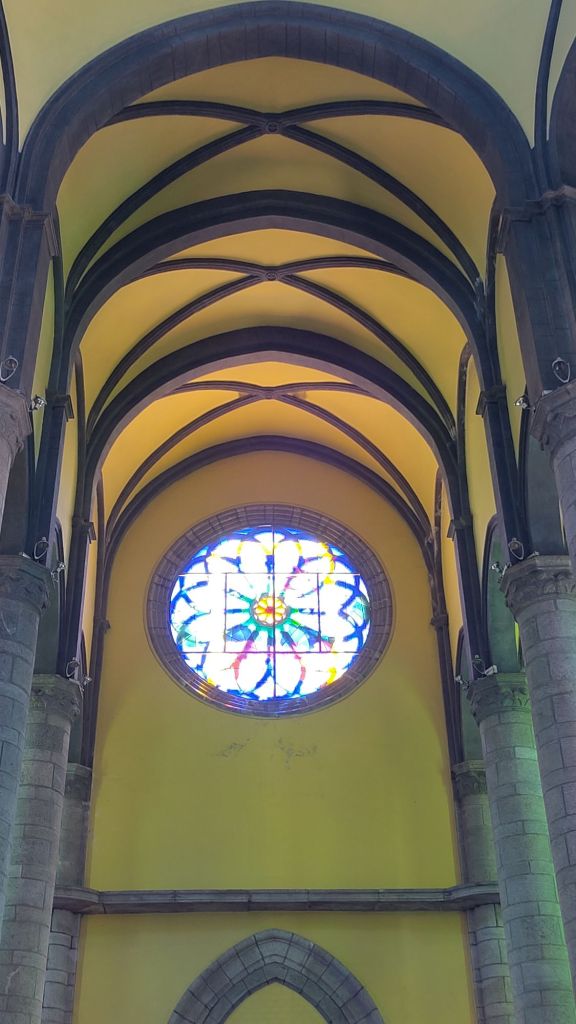
A beautiful cathedral pops up out of nowhere
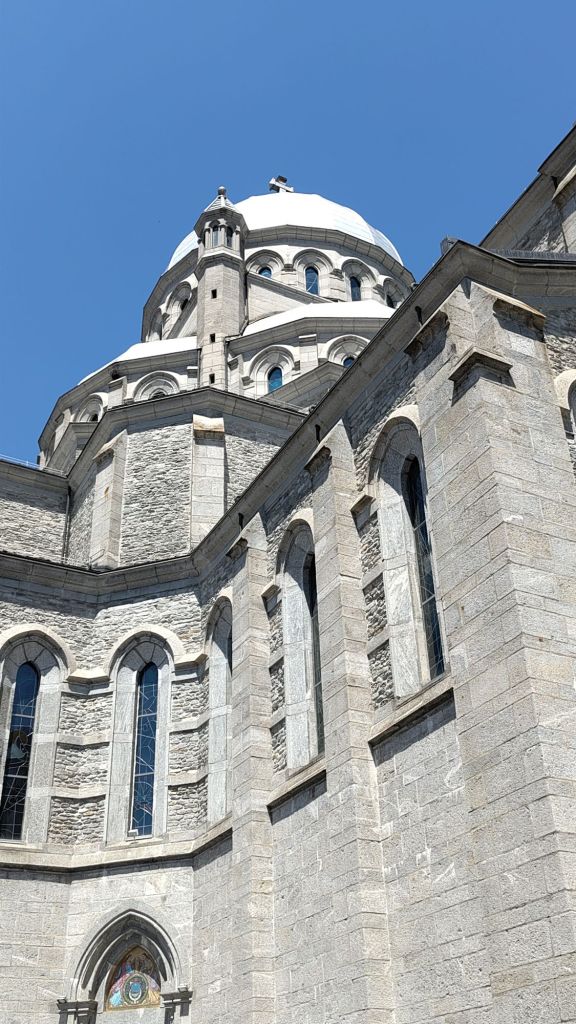
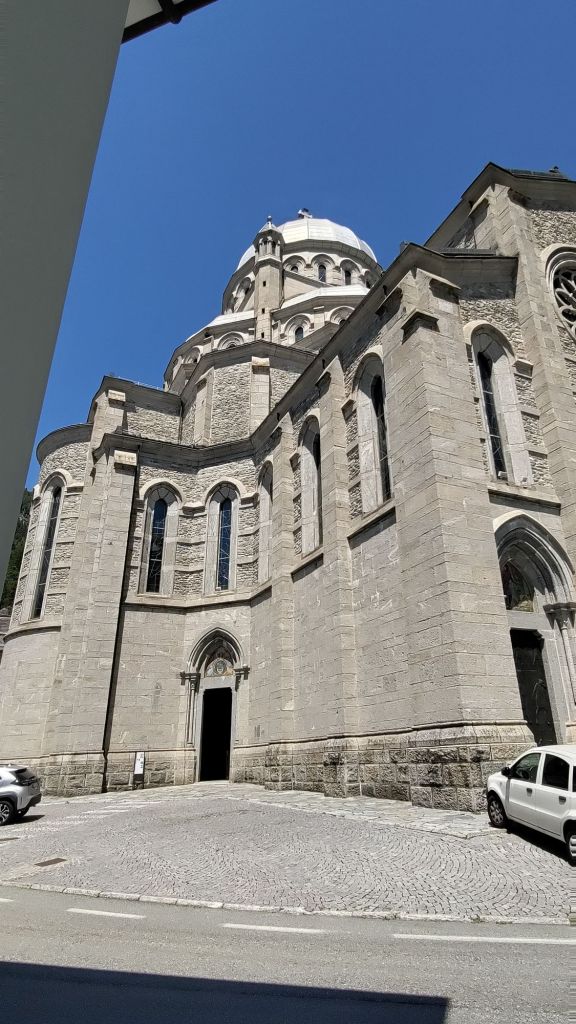
Gorgeous granite blocks
Just stunning
Beautiful contrasting stained-glass windows
We enter Switzerland and Aldo takes over the wheel, starting immediately with vertiginous drops and many many curves.
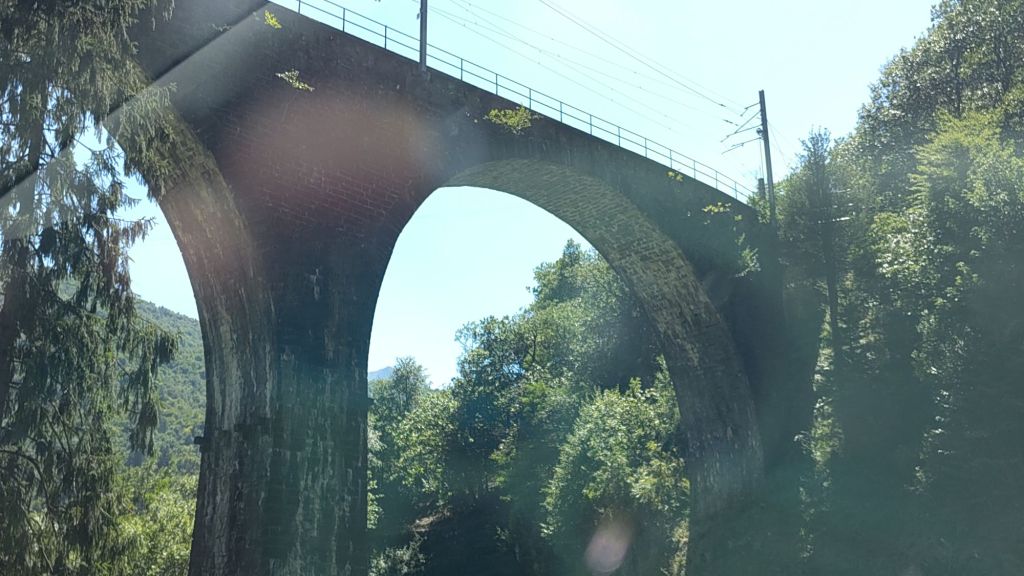
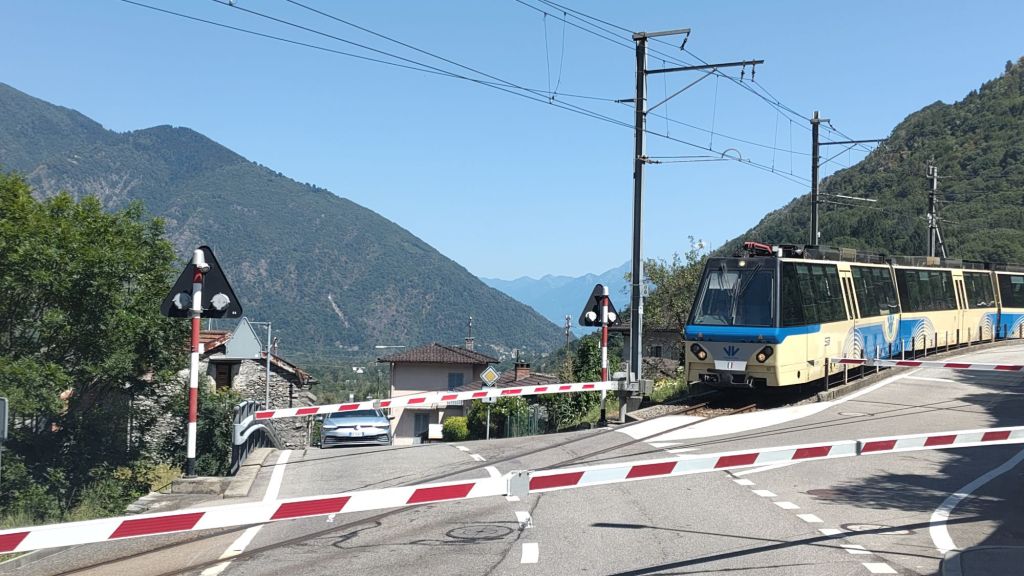
Plus the Domodossola train suddenly cutting off the road
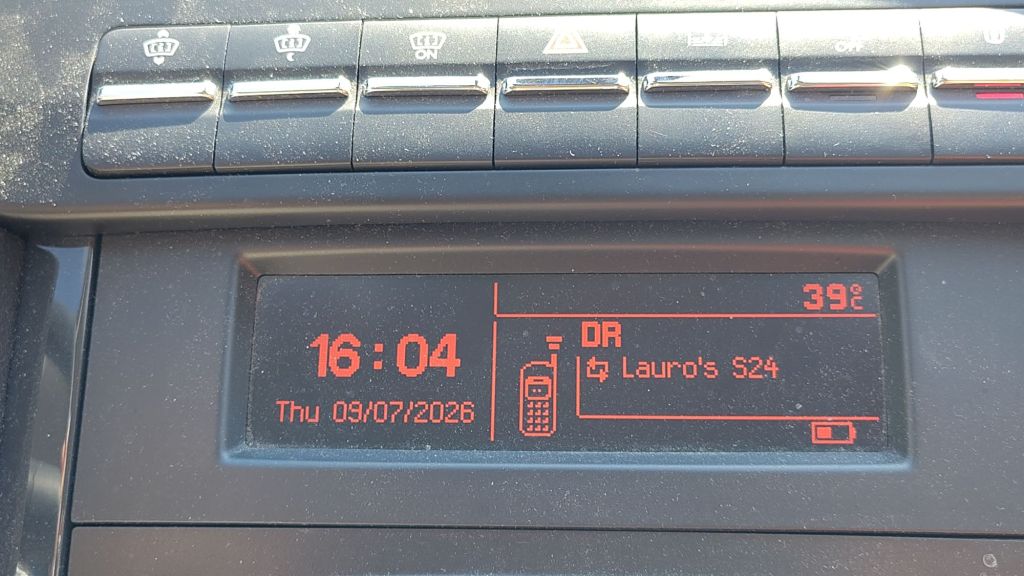
Back down to 39°
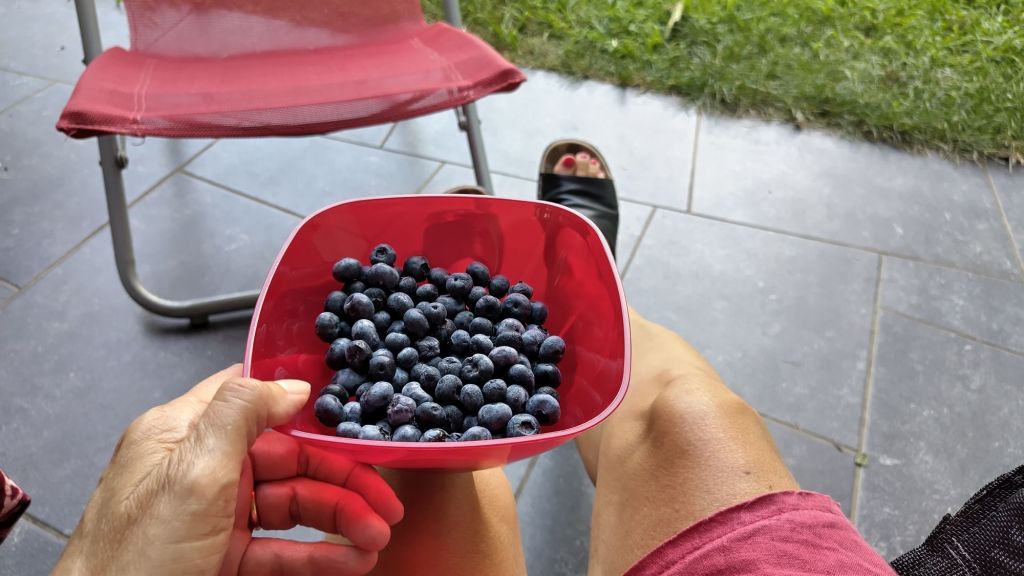
Enjoying the delicious blueberries we bought at the top of the River Toce.
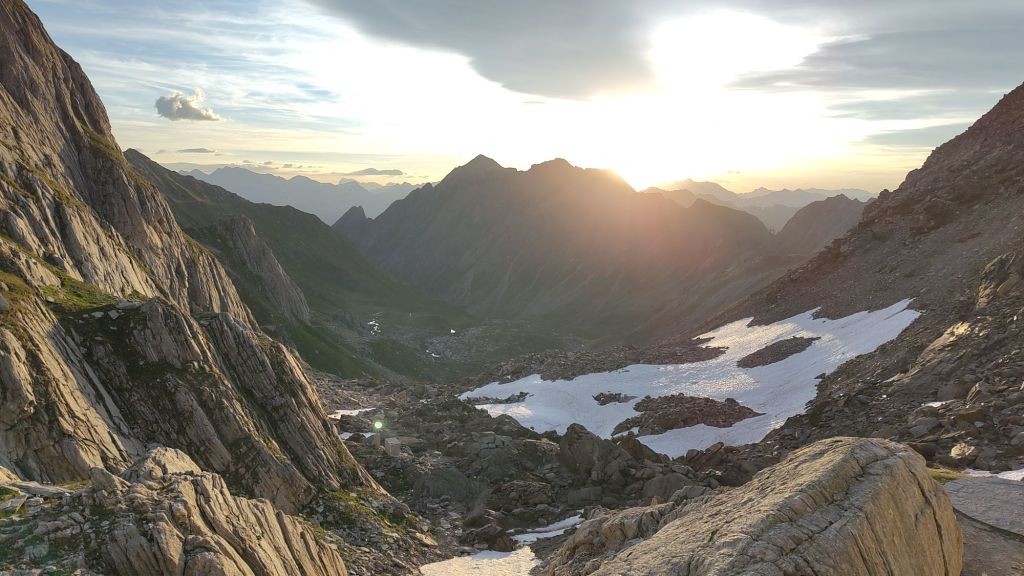
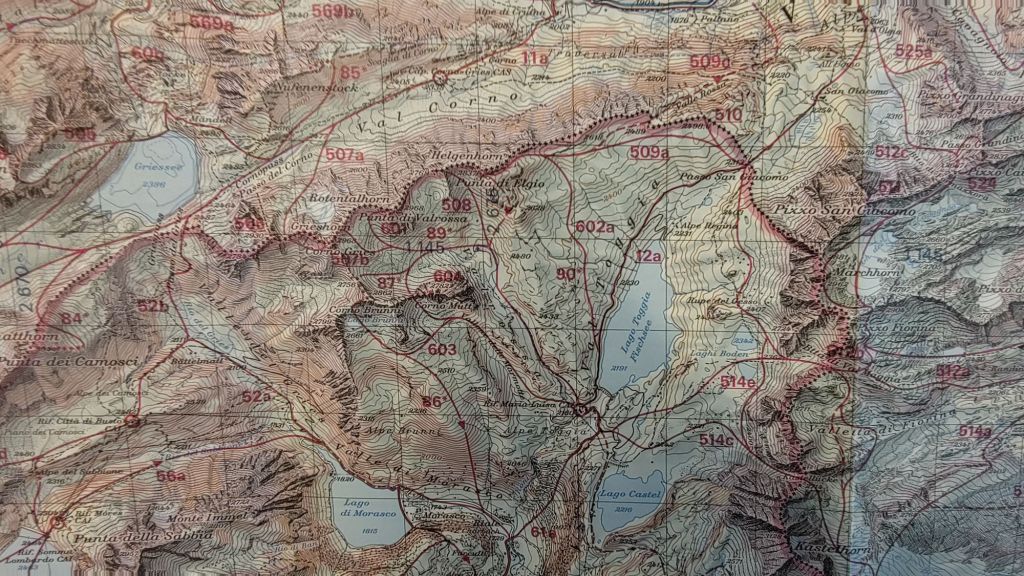
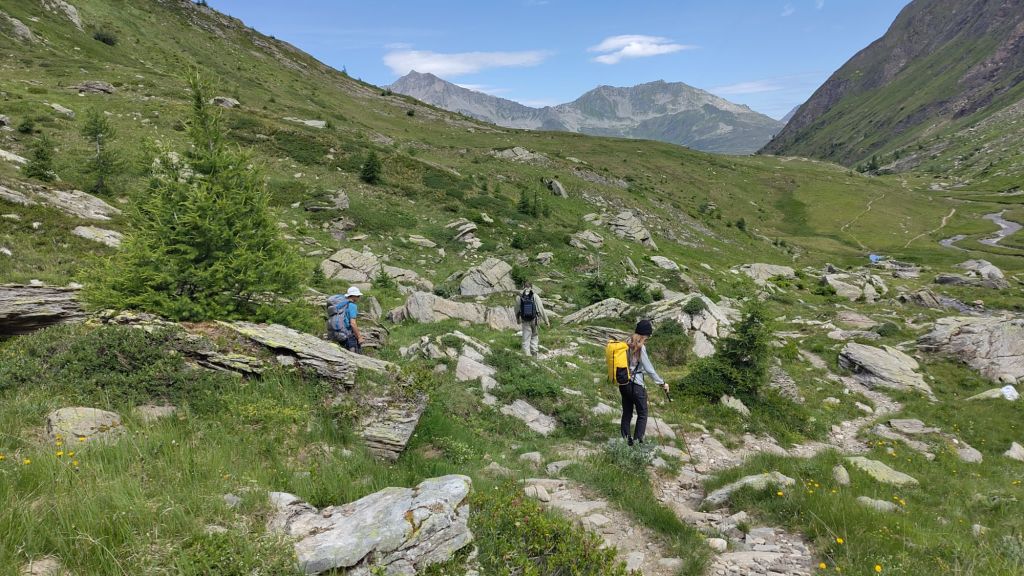
Sunrise over Val Torta. We’ll walk back down this valley to the car as the original hiking plan to walk 800m up and 1700m down to our next shelter is too ambitious for 6 of the 8 legs.
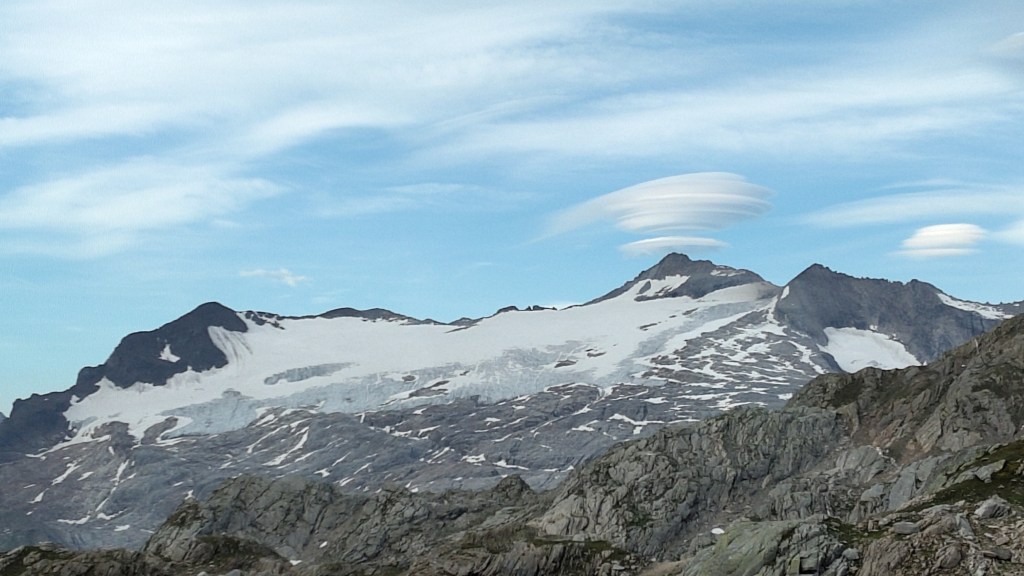
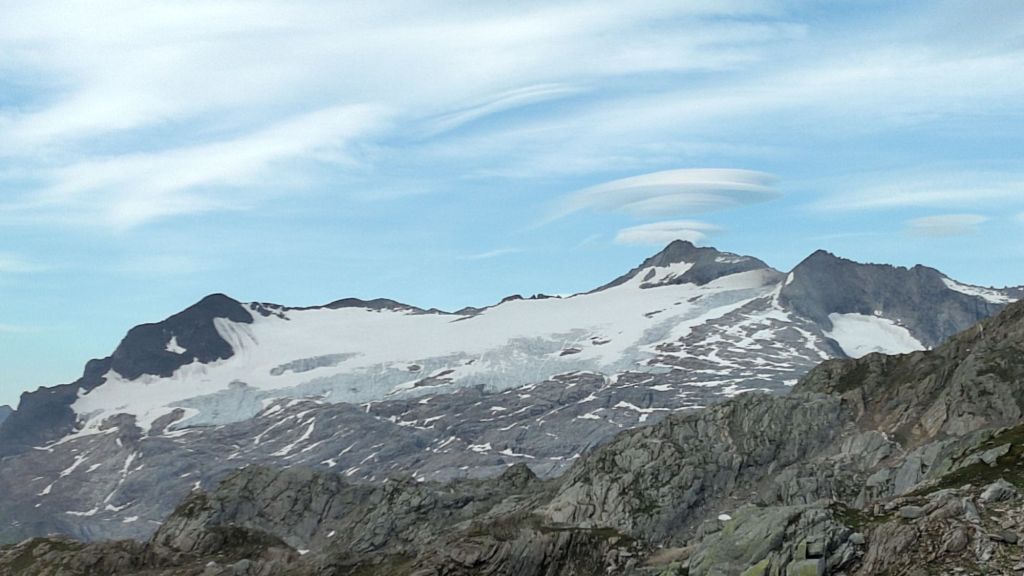
Lenticular clouds over the Basodino
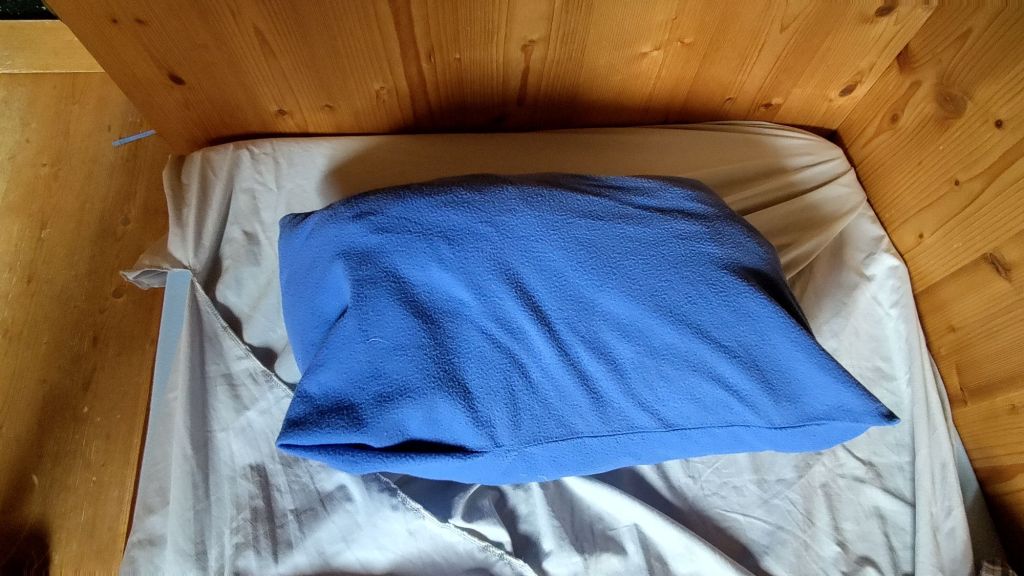
The “new” hut sleeping bag stayed in place!
Lots of ski touring possibilities here
Starting the walk down
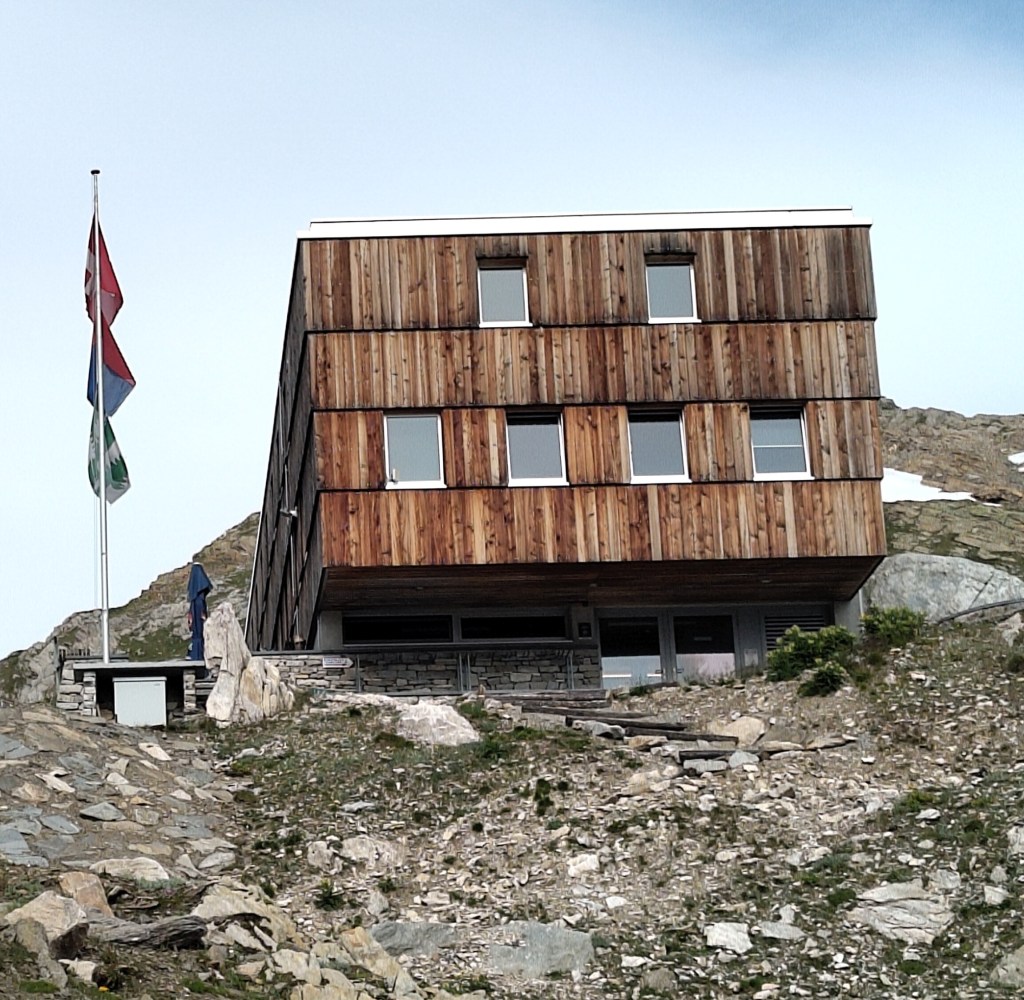
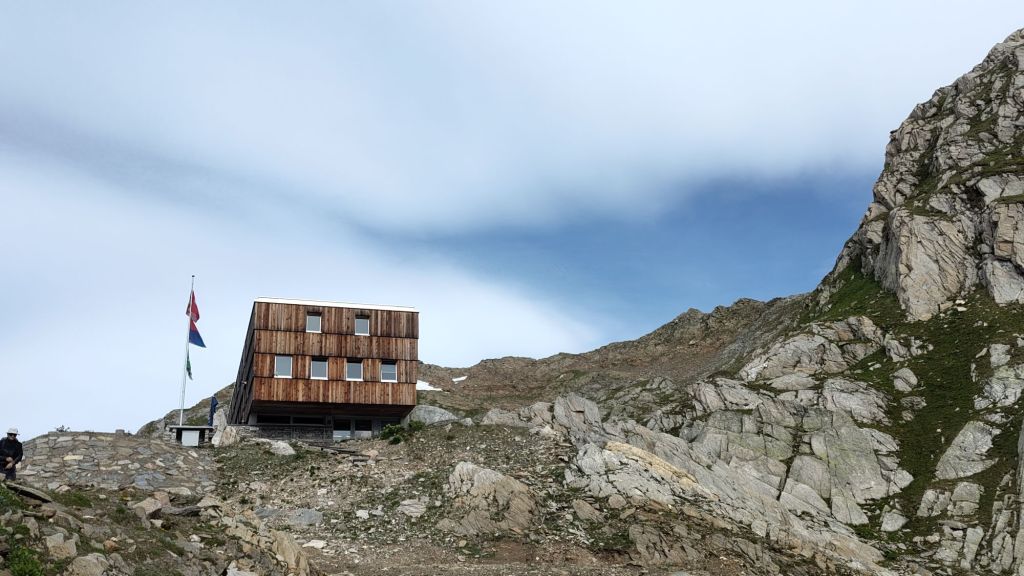
Fulfilling a longtime dream of staying in the new Capanna Cristallina after the old hut 200m lower down got swept away in an avalance in 1999. I had stayed in that hut on a ski tour in 1995.
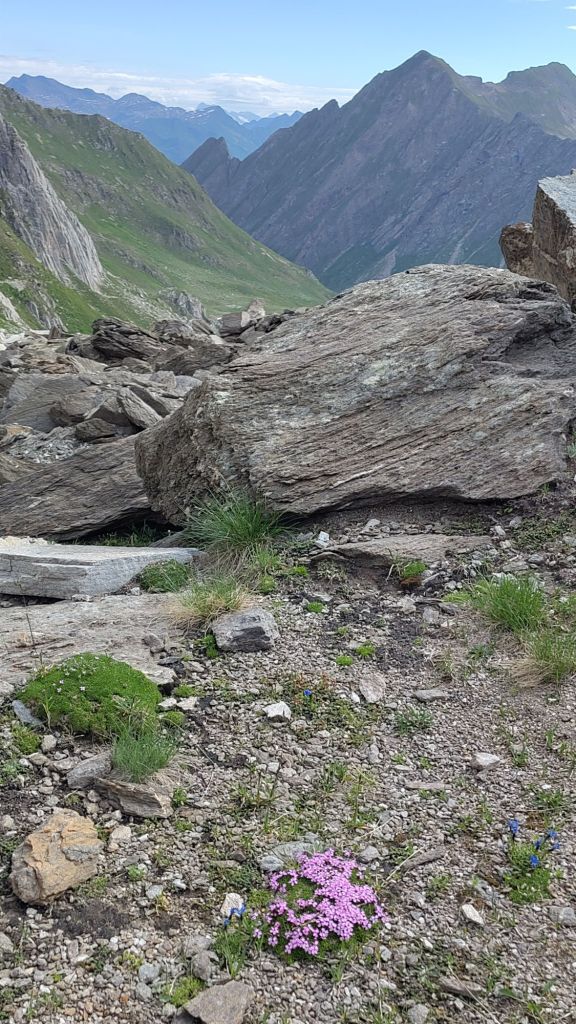
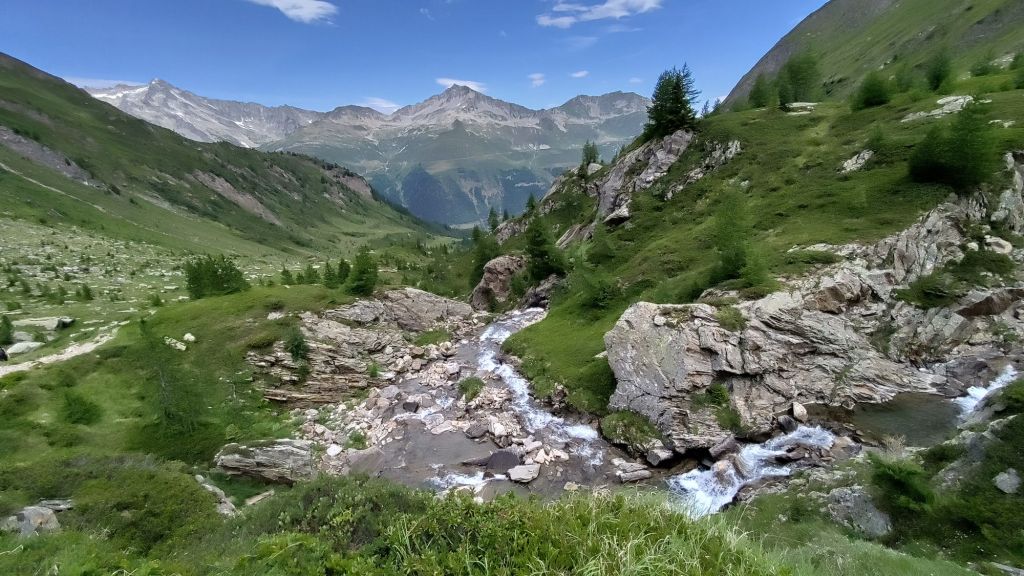
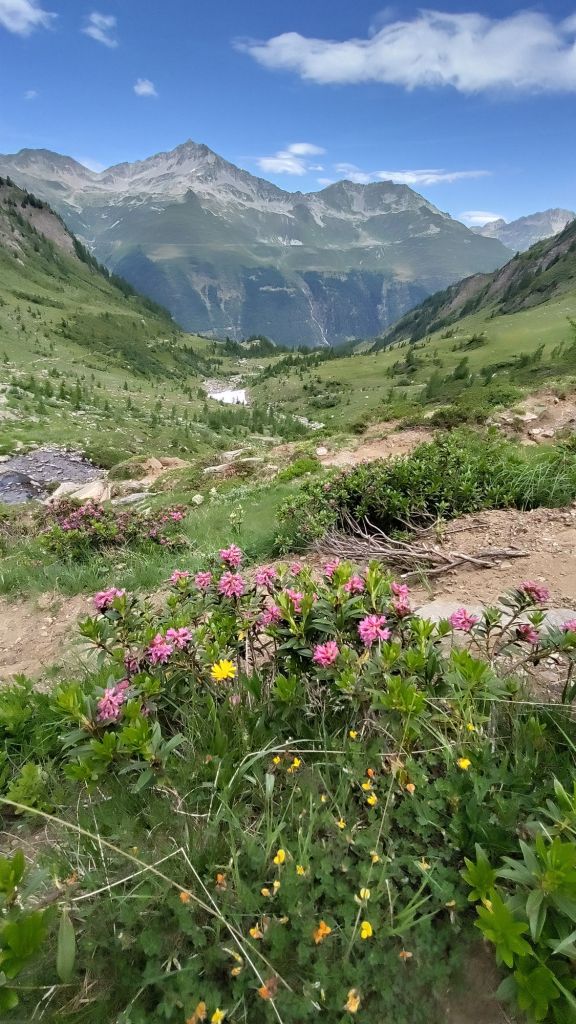
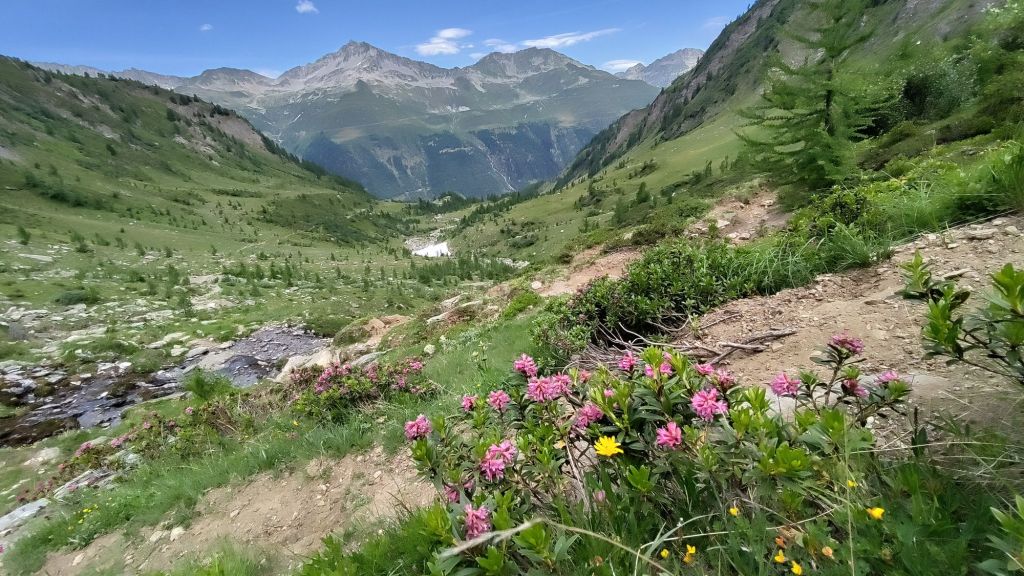
Flowers and views on the way down
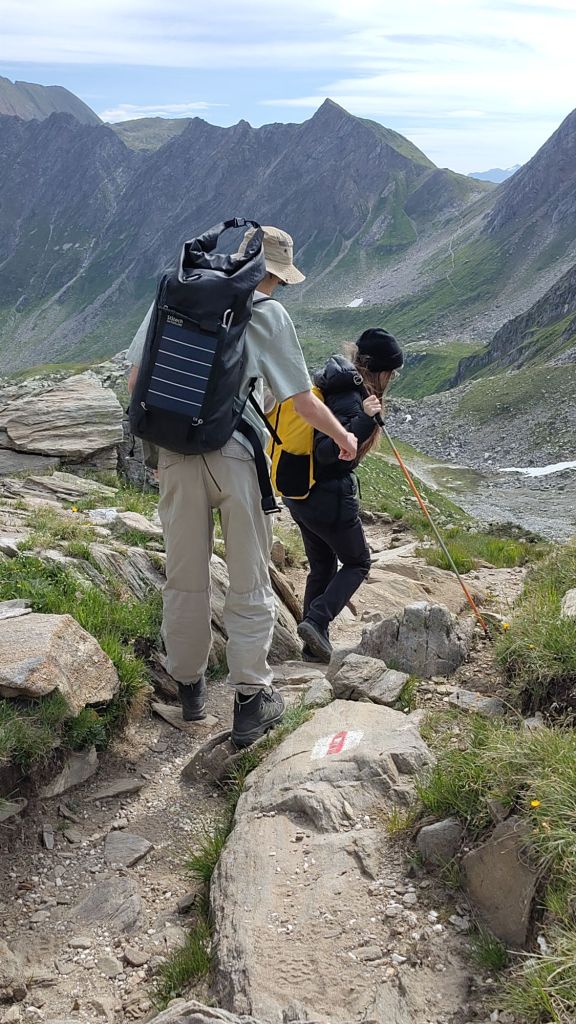
The solar panel getting more input while walking in this direction
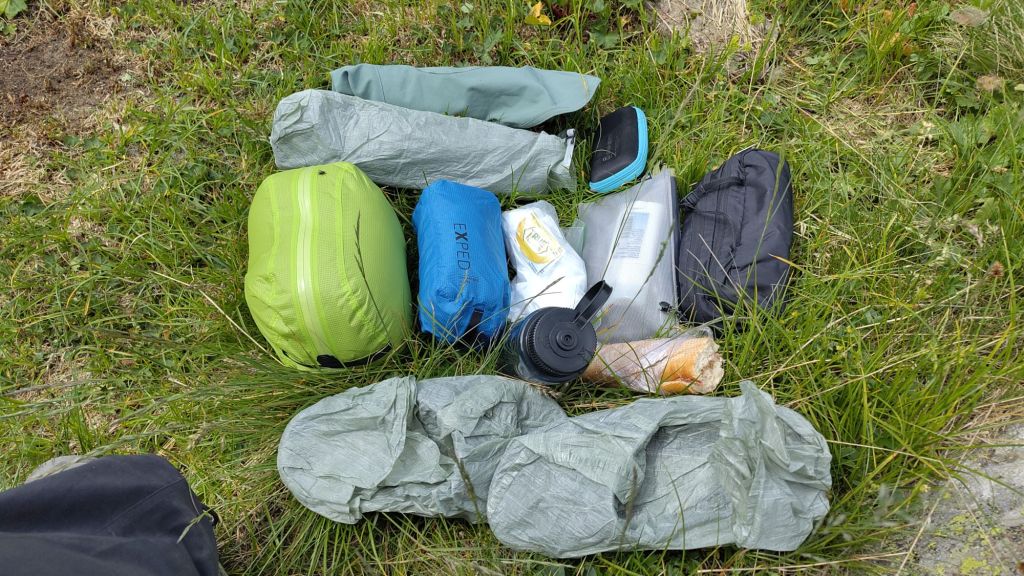
Exped baggies super useful to keep gear sorted
Cooler
A variety of Exped and home-made dyneema baggies keeping stuff organized
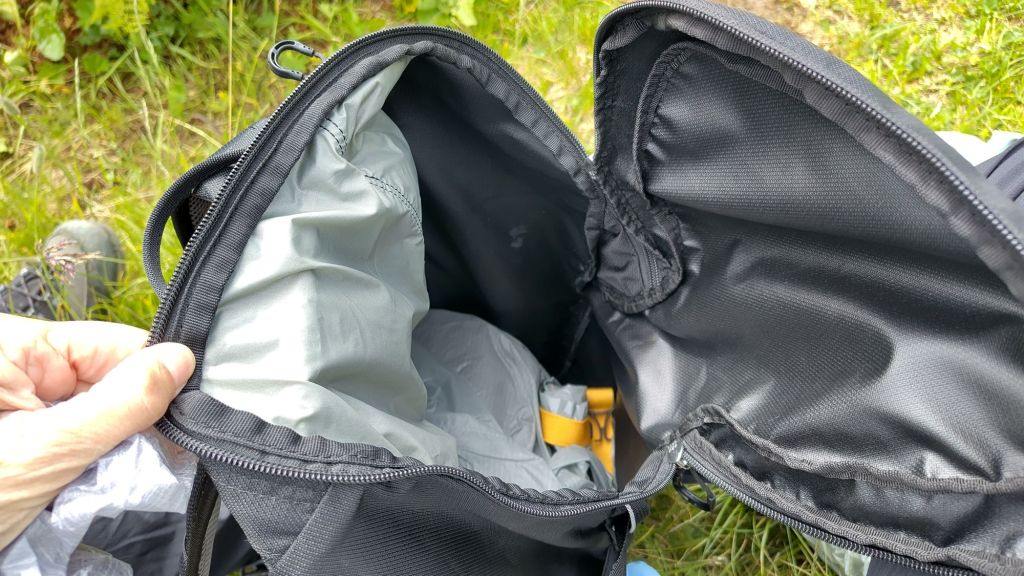
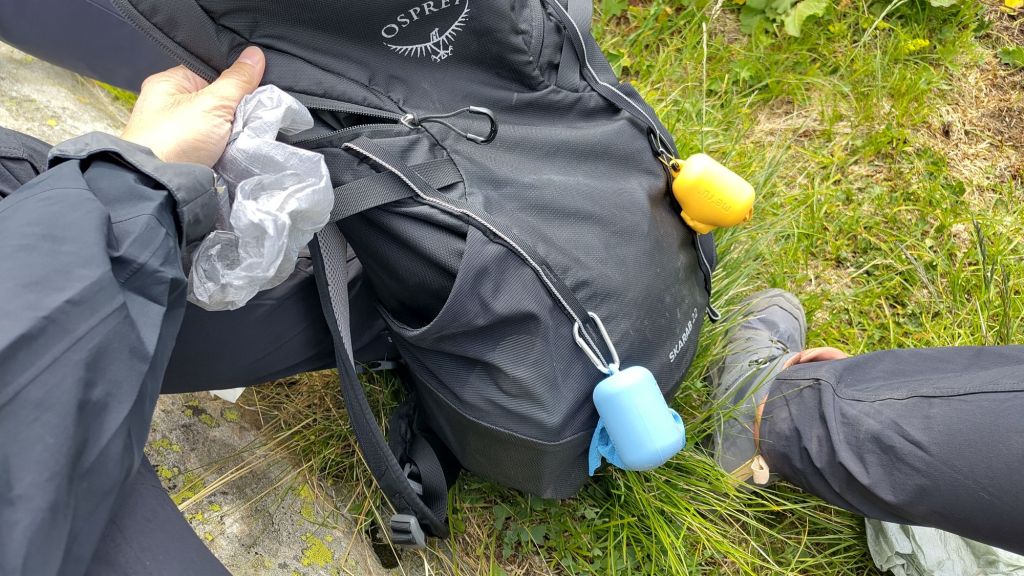
The Osprey backpack is not waterproof, as my pyjamas found out on a previous city trip, so an extra waterproof clothes bag is needed
The new style of Meru micro towels keeping me dry
Another crushed hut
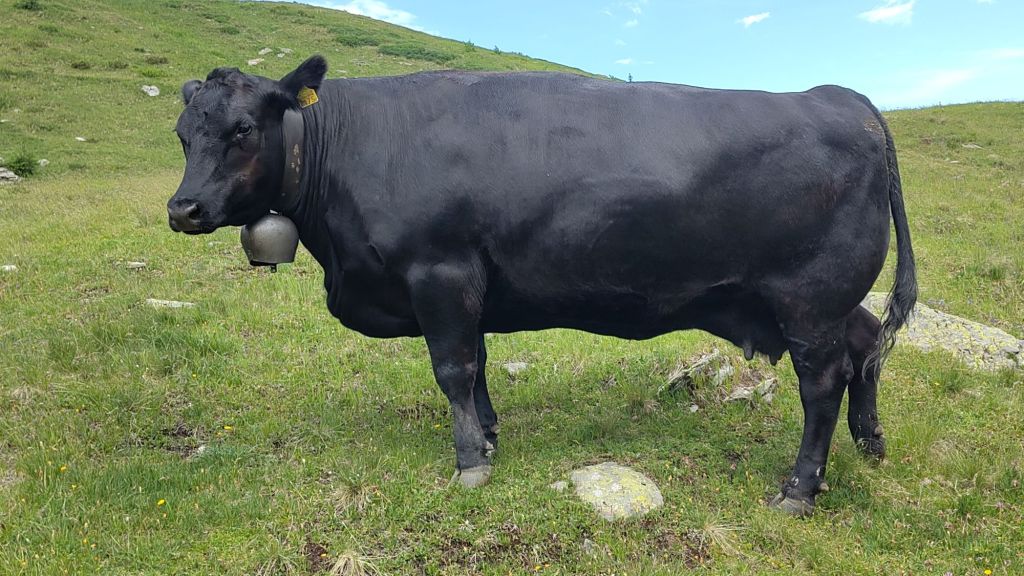
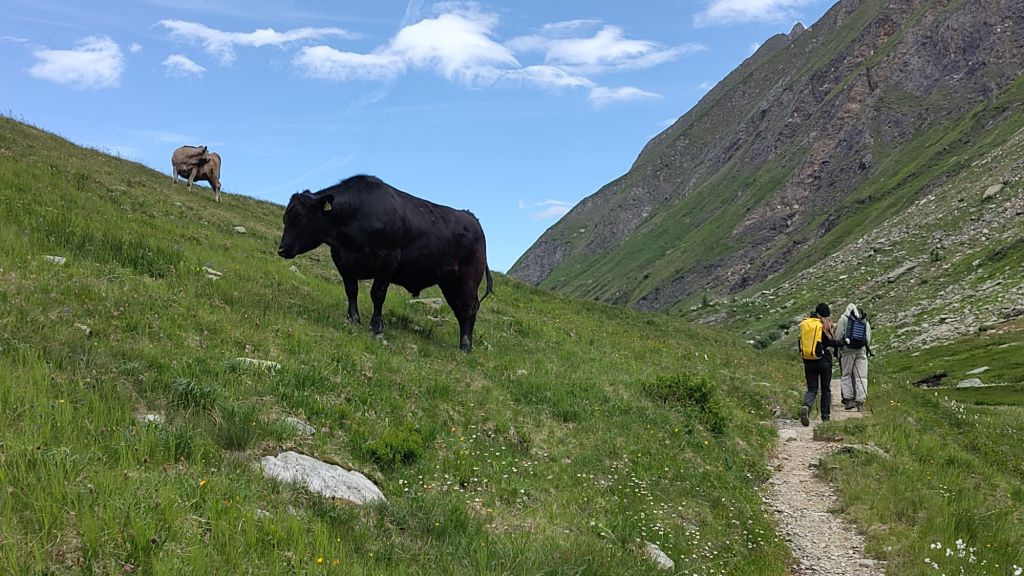
Even bulls have bells
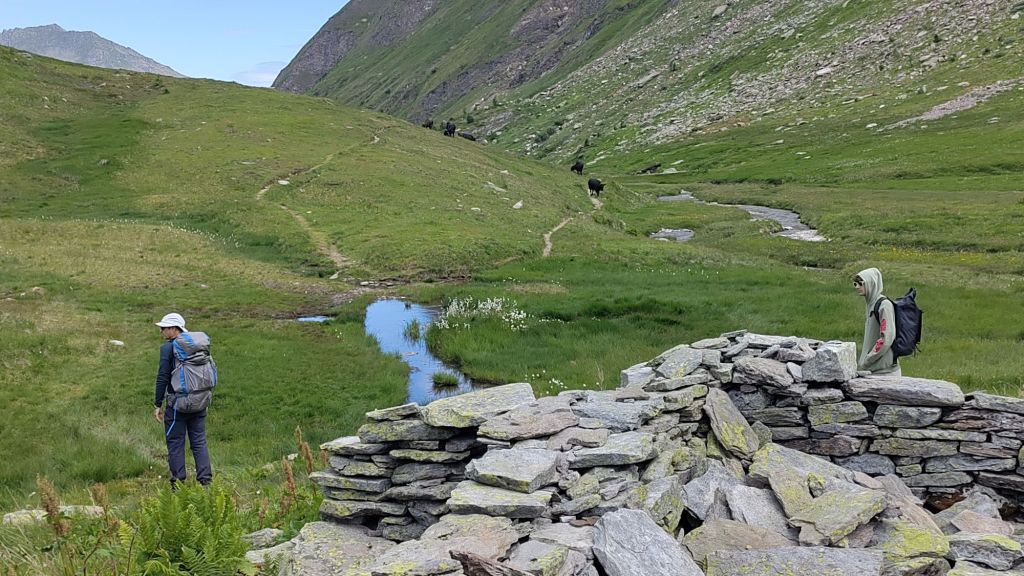
Just keep walking …
This was a lovely, but ice-cold place to bathe my feet the day before.
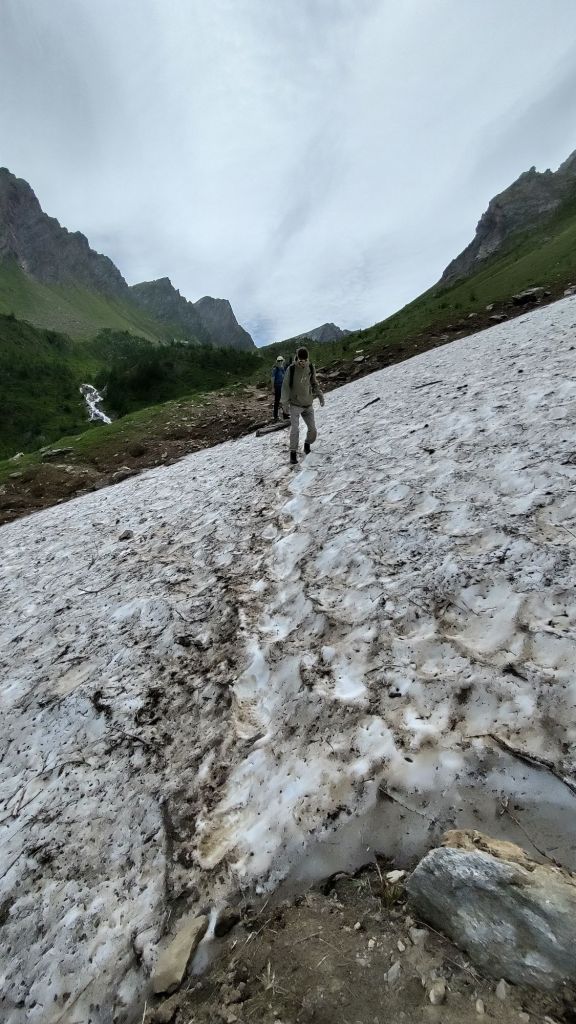
The last remnants of winter snow
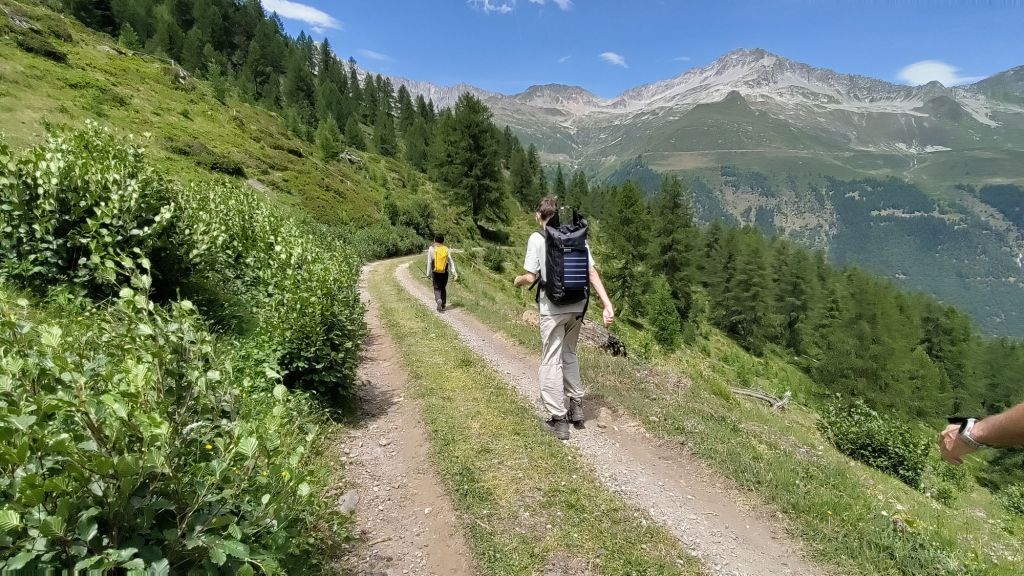
Down the farmer’s road
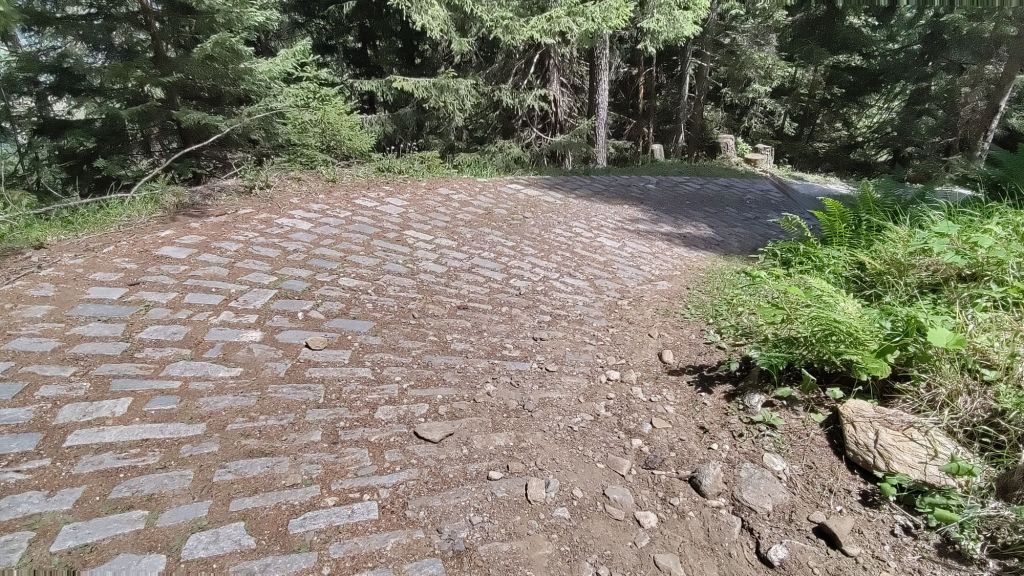
Well-engineered corners
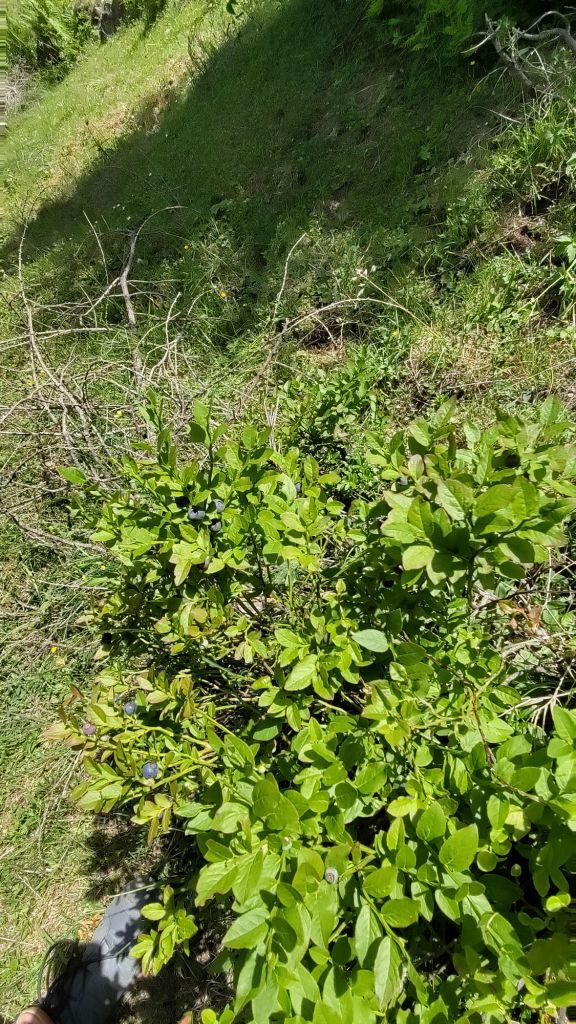
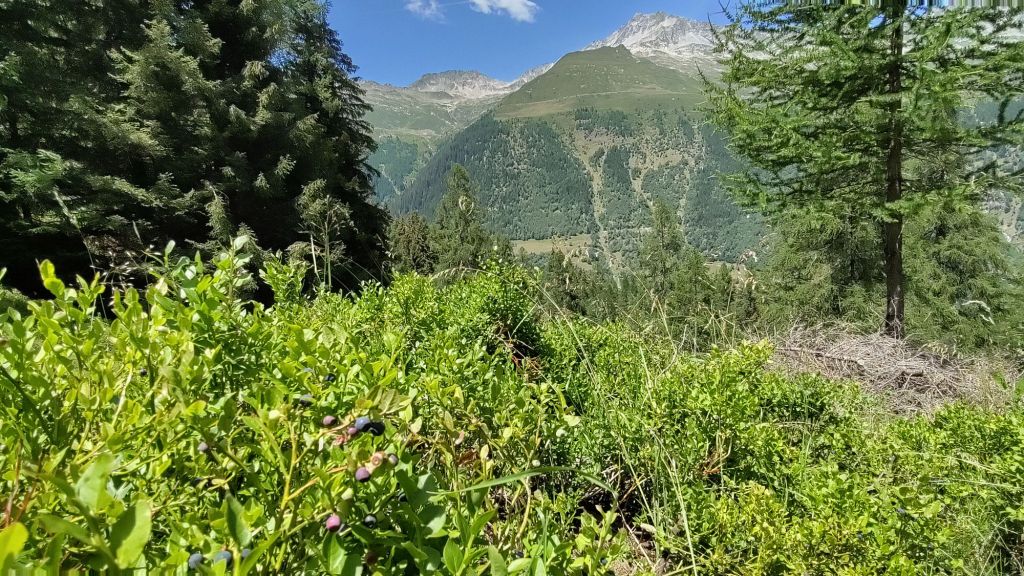
Delicious but still slightly sour blueberries
… with a view!
Made it back down to 1313m. Starting our road trip right away to make it in time for our hot tub appointment before dinner.
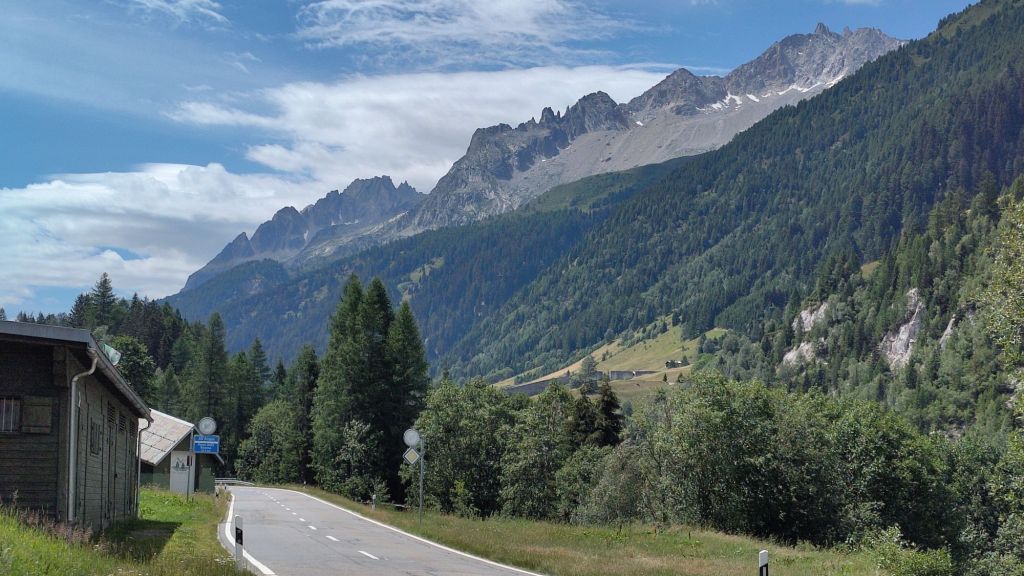
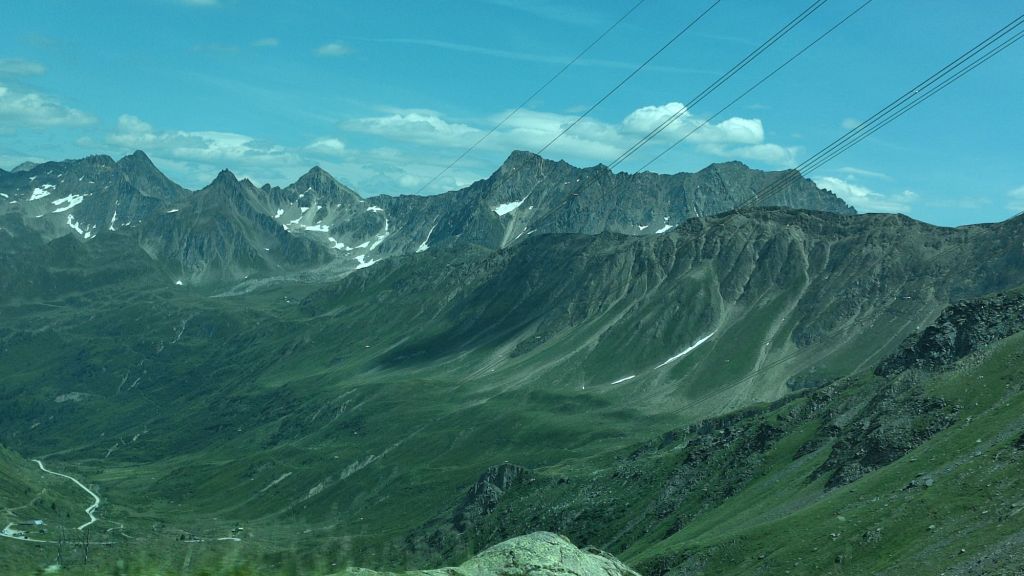
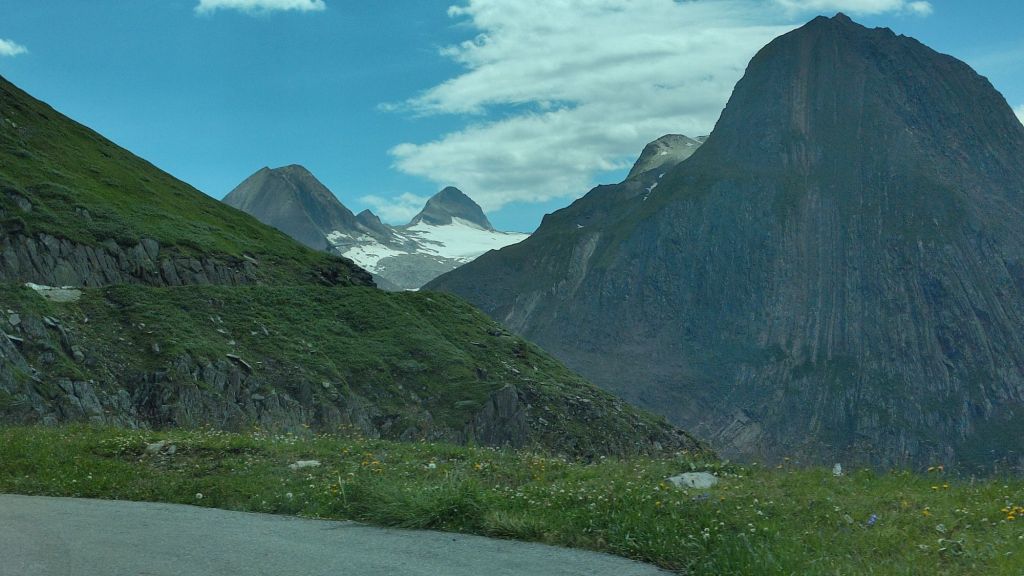
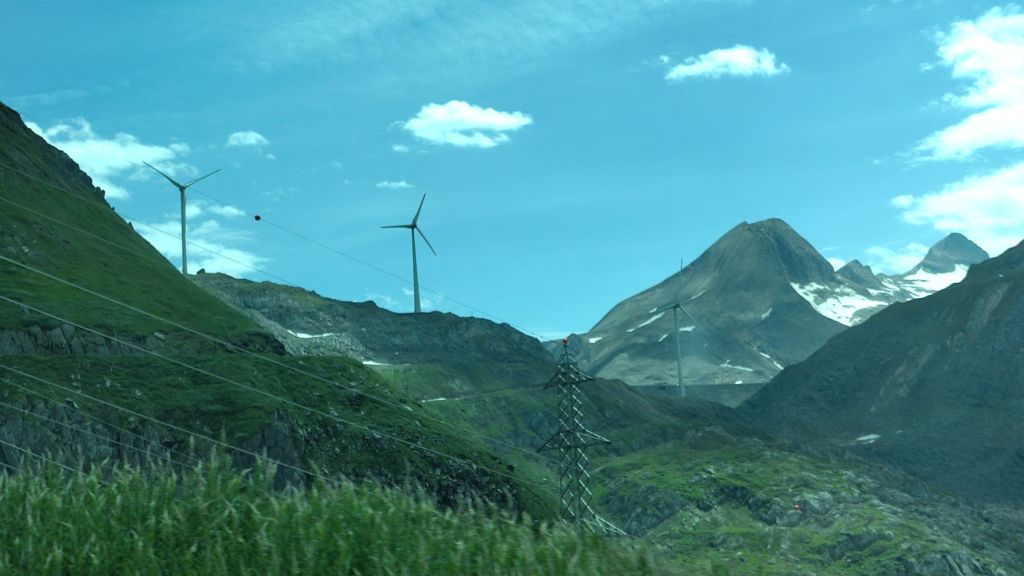
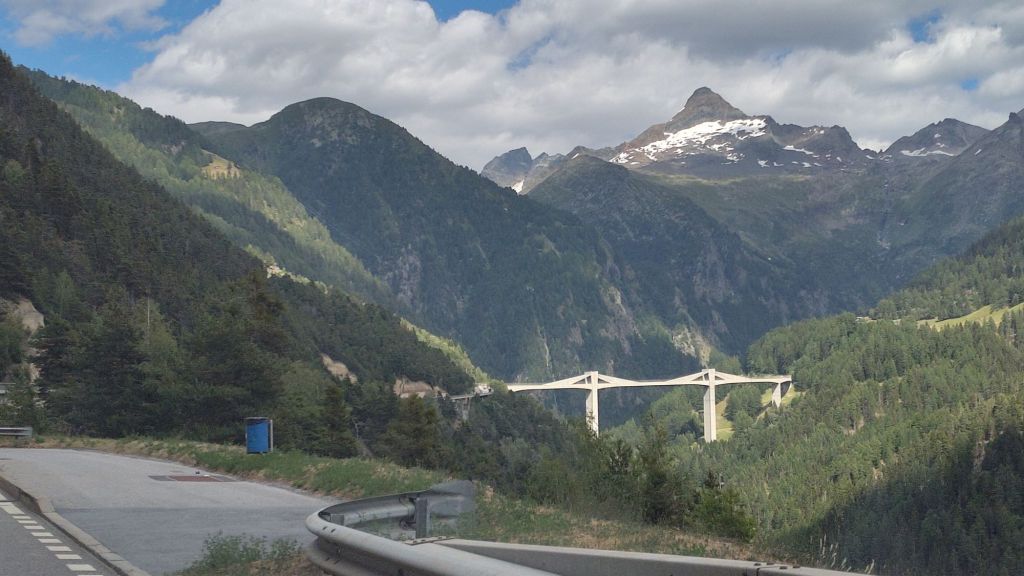
Sonia getting us there, expertly navigating the many hairpin bends up and down the Nufenen Pass